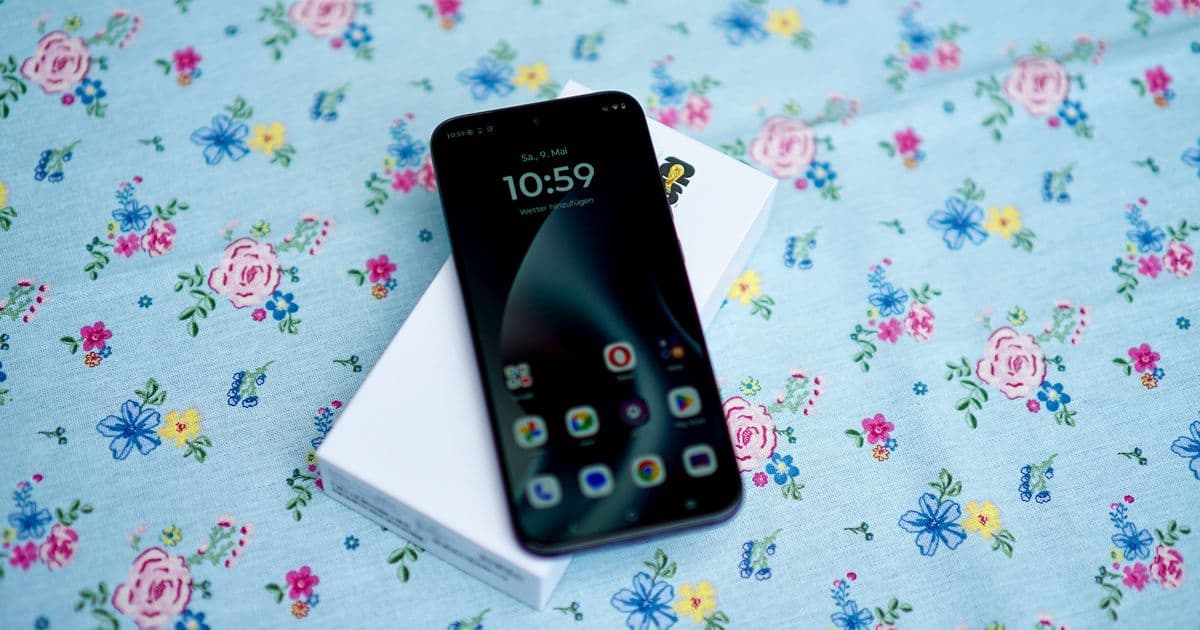
Motorola’s mid‑range Moto G87 boasts a 6.78‑inch AMOLED panel that can reach 3,500 nits in the lab, but the extreme brightness comes with eye‑strain, battery‑drain and sluggish auto‑brightness, making it a mixed bag for daily use.
3,500 nits brightness – Is the Moto G87’s display too bright for everyday use?
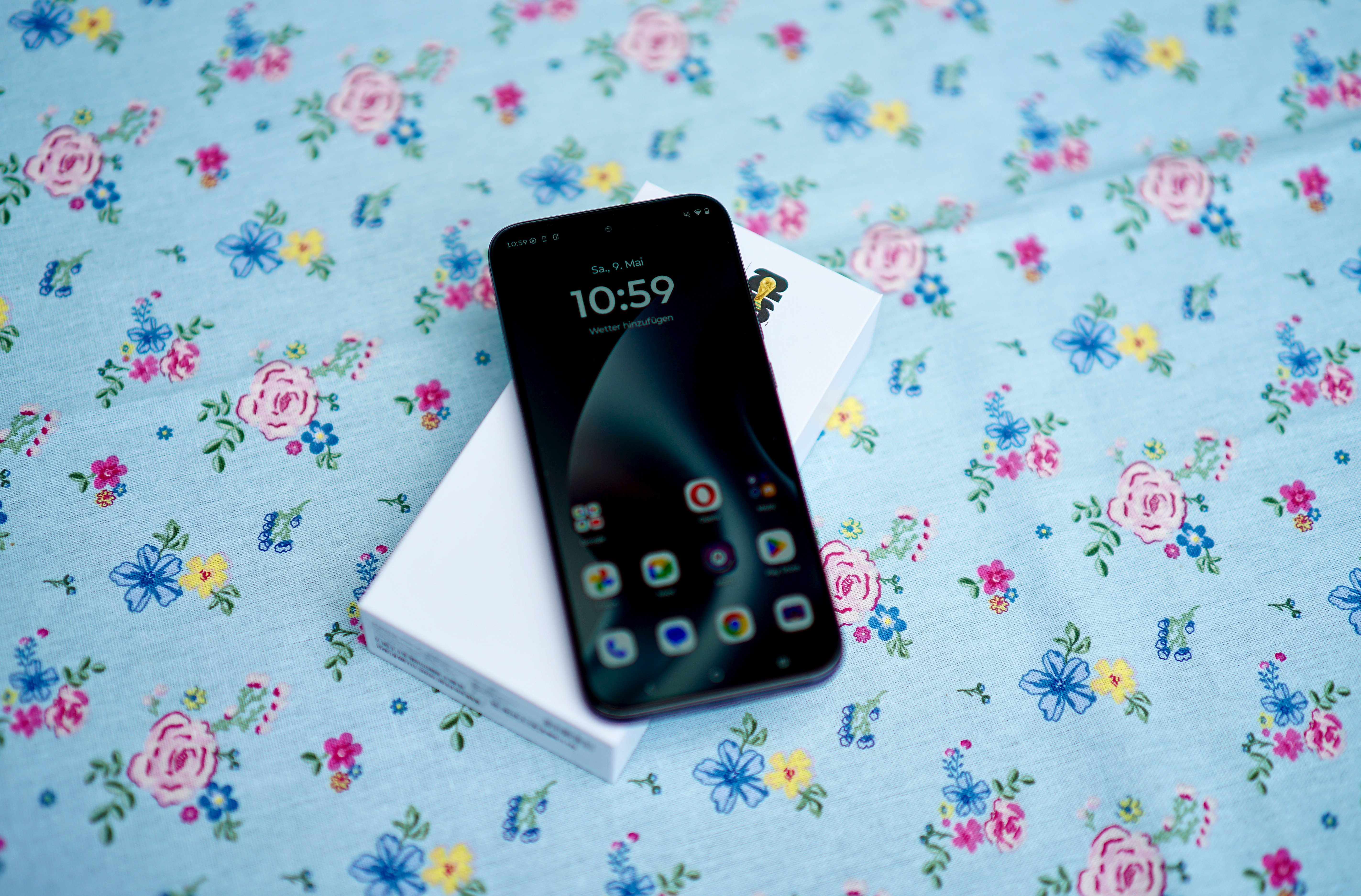
Motorola’s newest mid‑range offering, the Moto G87, arrives with a 6.78‑inch “Extreme AMOLED” panel that can flash up to 3,500 nits in our measurements – the manufacturer claims a ceiling of 5,000 nits. Coupled with a 1.5K resolution and a 120 Hz refresh rate, the screen outshines many rivals that sit in the same $450 price bracket. On paper, the display looks like a win for anyone who spends a lot of time outdoors or under bright office lighting.
What the numbers actually mean
| Specification | Moto G87 | Typical competitor (e.g., Samsung Galaxy A57) |
|---|---|---|
| Peak brightness (lab) | 3,500 nits | 1,200 nits |
| Manufacturer‑claimed peak | 5,000 nits | 1,300 nits |
| Continuous (typical) brightness | ~800 nits | ~600 nits |
| Resolution | 1.5K (2400 × 1080) | 1080 p (2400 × 1080) |
| Refresh rate | 120 Hz (adaptive) | 60 Hz |
| Price (USD) | ~450 | ~420 |
The peak figure is measured with a full‑white screen and the backlight driven to its absolute limit. In everyday use the panel settles around 800 nits, which is still bright enough to beat most mid‑range phones but far lower than the headline number.
How it performs in real‑world lighting
Sunlight
Under direct sunlight the Moto G87’s screen remains legible without raising the brightness slider. In our side‑by‑side test against the Galaxy A57, the A57’s panel washed out at 1 000 lux, while the Moto G87 kept contrast and colour saturation intact. For commuters, hikers, or anyone who checks notifications on a sunny balcony, the extra nits are a genuine advantage.
Indoor environments
Inside a typical office (≈400 lux) the panel can feel over‑exposed. Colours appear washed out until the brightness is manually pulled down to about 40 % of the maximum. Prolonged exposure at higher levels leads to noticeable eye fatigue – a common complaint when a display is capable of emitting more light than the ambient environment demands.
Battery impact and power efficiency
The brightness spike comes at a cost. While the Moto G87 is equipped with a 5,000 mAh battery, running the screen at its peak drains the battery 30 % faster than a comparable 1080p 60 Hz panel. In our 5‑hour mixed‑usage test (web browsing, video playback, occasional gaming) the phone lasted 6 hours 45 minutes with the brightness set to auto, versus 8 hours 20 minutes on the Galaxy A57.
The high‑refresh‑rate 120 Hz mode also adds to the draw. Switching to a 60 Hz lock‑step recovers roughly 15 % of the lost runtime, which is a useful workaround for power‑conscious users.
Automatic brightness – a work in progress
Motorola’s adaptive sensor reacts to changes in ambient light, but the response time is uneven. When moving from a bright window to a dimly lit room, the brightness can overshoot, resulting in a brief “flash” that feels jarring. The same lag appears when the phone switches from the 120 Hz mode to the lower refresh rate in battery‑saving mode.
The issue is not unique to the Moto G87; many mid‑range devices struggle with fine‑grained sensor calibration. However, the extreme peak brightness amplifies the problem, making the overshoot more noticeable than on a less luminous panel.
How it stacks up against the competition
| Feature | Moto G87 | Samsung Galaxy A57 |
|---|---|---|
| Peak brightness | 3,500 nits (lab) | 1,200 nits |
| Color accuracy (ΔE) | 2.8 (sRGB) | 2.4 |
| Viewing angle (ΔE at 30°) | 4.5 | 3.9 |
| Battery life (video playback) | 6 h 45 min | 8 h 20 min |
| Price | $449 | $429 |
The Moto G87 wins decisively on raw luminance, but the Samsung retains a slight edge in colour fidelity and power efficiency. For buyers whose primary concern is outdoor readability, the Moto G87 is the clear choice. For those who prioritize long battery life and consistent indoor viewing, the A57 remains compelling.
Who should consider the Moto G87?
- Outdoor professionals – field workers, cyclists, or anyone who needs a screen that stays visible in bright conditions.
- Media consumers – the 120 Hz refresh rate and high peak brightness make HDR video look vivid, provided you keep the device plugged in for long sessions.
- Budget‑conscious power users – the $450 price point is attractive, but be prepared to manage brightness manually or lock the refresh rate to preserve battery.
If you mainly use the phone indoors, the display may feel excessively bright and could cause eye strain after a few hours. In that scenario, a device with a more modest peak brightness—such as the Galaxy A57 or the upcoming Xiaomi Redmi Note 13 Pro—might provide a more comfortable everyday experience.
Bottom line
Motorola has pushed the limits of what a mid‑range smartphone display can achieve. The 3,500 nits peak is impressive and guarantees readability in the harshest sunlight, but the trade‑offs—higher power consumption, occasional auto‑brightness hiccups, and an indoor viewing experience that can feel too intense—prevent it from being a universal winner.
For users who value outdoor legibility above all, the Moto G87 is a strong contender. For those who spend most of their day in controlled lighting, the extra nits are more of a novelty than a necessity, and the accompanying battery penalty may outweigh the benefit.
Read the full Moto G87 review for detailed benchmark scores, camera tests, and long‑term usage impressions on the Notebookcheck site.
Comments
Please log in or register to join the discussion