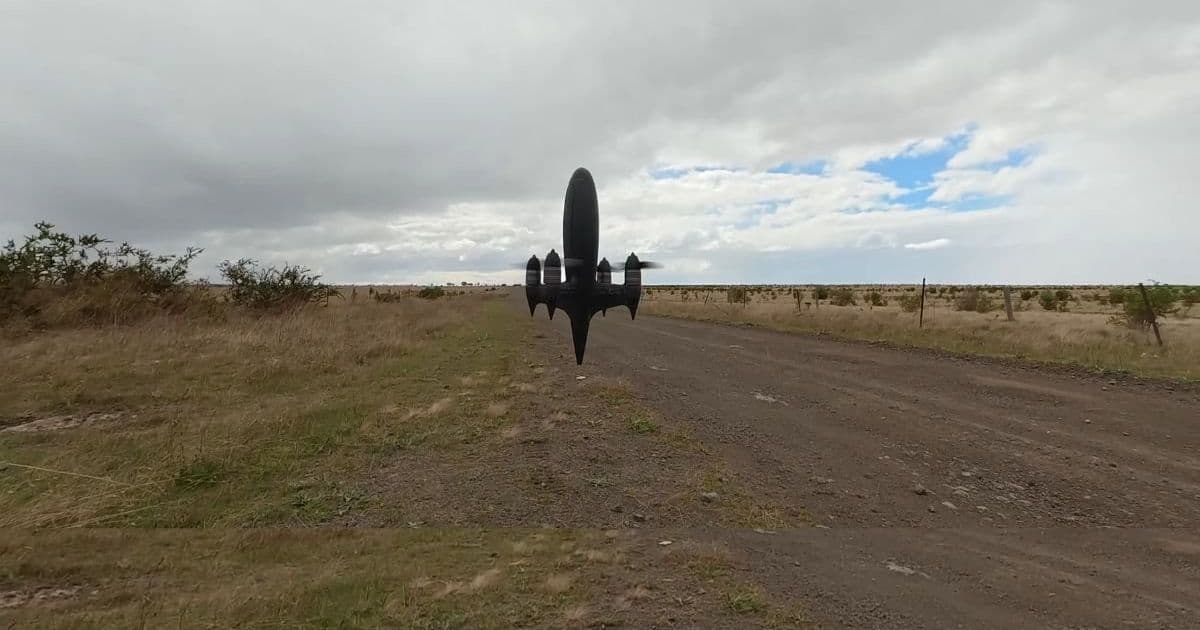
DIY engineer Benjamin Biggs shatters his own RC drone speed record with a 2-kilogram drone reaching 730 km/h (453.6 mph), showcasing remarkable engineering achievements in unmanned aerial vehicles.
4.4-pound DIY drone hits 454 mph, breaking world speed record
In a remarkable display of engineering prowess, DIY enthusiast Benjamin Biggs has once again claimed the title of world's fastest RC battery-powered drone, achieving speeds that push the boundaries of what we thought possible in unmanned aerial vehicles. After holding the record briefly, Biggs has now extended his lead with a blistering 685 km/h (425.6 mph) average top speed, hitting a peak of 730 km/h (453.6 mph) during downwind runs.
What's new in the record-breaking drone
Biggs' latest creation is a 2-kilogram (4.4-pound) marvel of engineering that demonstrates what's possible with dedication and technical expertise. The drone represents a significant evolution from previous iterations, with several key upgrades that contributed to its unprecedented speed capabilities.
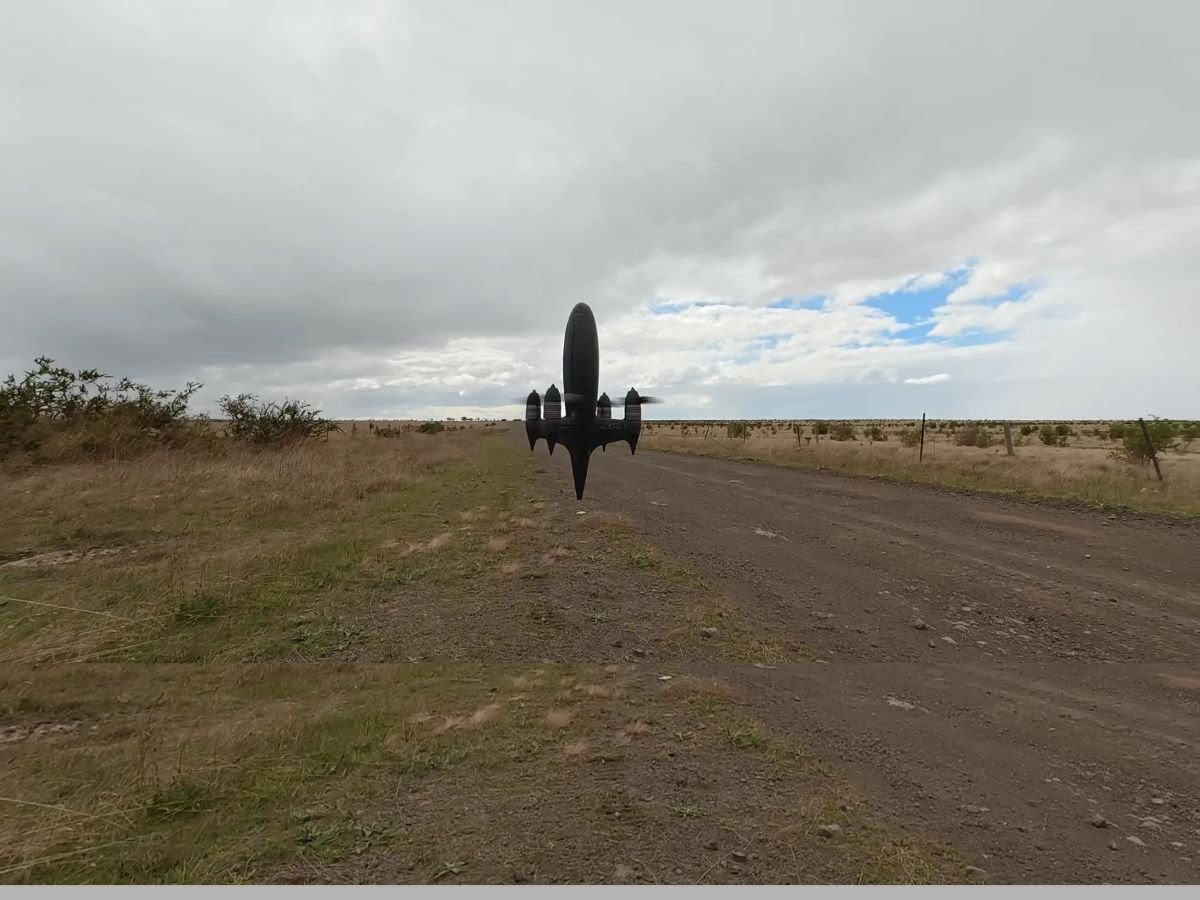
The most notable improvements include:
- Increased propeller pitch for higher rotational efficiency
- Carbon fiber construction for reduced weight while maintaining structural integrity
- Toothed propeller design that minimizes air turbulence and drag
"The toothed design helps ensure the air flows straight past, instead of wrapping around the propellers in spin-wise directions," Biggs explained of his innovation. This attention to aerodynamic details made the difference between a fast drone and a record-breaking one.
During testing, the drone demonstrated extraordinary power consumption, drawing 19.1 kW (25.6 horsepower) at 449 A and 42.5 V. These figures highlight the immense energy requirements necessary to propel such a small object at supersonic-like speeds.
How it compares to previous records
The drone speed record has been a back-and-forth battle between Biggs and the Bells, with each team taking turns pushing the boundaries. Biggs first claimed the crown, then lost it to the Bells, before reclaiming it in January with a previous record.
Since January, the Bells have remained relatively quiet, though they've admitted to working on their own response to Biggs' latest achievement. The current 685 km/h average speed represents a significant leap forward, creating a substantial gap for competitors to close.
The testing conditions played a crucial role in the record attempt. On a particularly windy day, Biggs achieved 730 km/h (453.6 mph) going downwind, while managing 640 km/h (397.7 mph) on the upwind run. The windy conditions allowed for longer full-throttle operation, which ultimately led to the batteries overheating and smoking after the drone crash-landed.
Who this technology is for
While this record-breaking drone is unlikely to appear in consumer markets anytime soon, the engineering innovations have broader implications. The carbon fiber construction, aerodynamic propeller designs, and power management systems could eventually trickle down to commercial drones, improving efficiency and performance across the industry.
For DIY enthusiasts and drone racing communities, Biggs' work serves as inspiration and a benchmark for what's possible with accessible technology. His open approach to sharing his designs and results helps advance the entire field, allowing others to build upon his innovations.
"The flight tests went relatively smoothly, with him losing one drone due to a loss in video feedback," the report notes, highlighting the challenges of testing at such extreme speeds. This real-world testing data is invaluable for the broader drone development community.
Looking ahead, Biggs has set his sights on the official Guinness World Record, which likely requires more formal documentation and verification procedures. The achievement represents not just a personal milestone but a significant moment in the evolution of drone technology.
For those interested in following Biggs' work or learning more about high-performance drone construction, resources like Drone Pro Hub provide detailed technical breakdowns and updates on record attempts in the unmanned aerial vehicle space.
As drone technology continues to evolve, achievements like Biggs' record-breaking flight serve as important milestones that push the boundaries of what's possible with electric propulsion and lightweight materials. The engineering solutions developed for extreme performance often find applications in more practical, everyday drones, benefiting the entire industry.
Comments
Please log in or register to join the discussion