As AI coding assistants become increasingly sophisticated, they're enabling non-technical creators to undertake complex projects that were once impossible without specialized expertise.
The creative landscape is undergoing a quiet revolution. For years, technical barriers have separated creative vision from execution. Those with artistic ideas but lacking programming skills were limited to tools within their technical reach. Today, AI coding assistants are dissolving these barriers, allowing creators to bring ambitious projects to life regardless of their technical background.
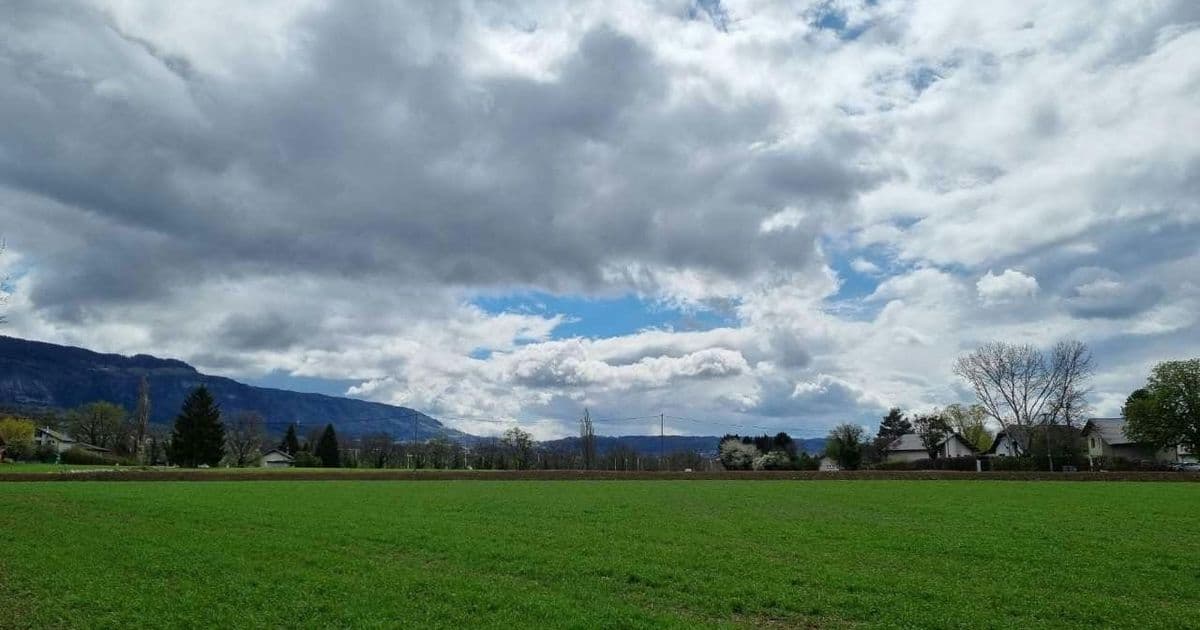
A compelling example comes from Nicolas Fränkel, a developer who recently undertook an ambitious project: creating a time-lapse video showing the passage of seasons across a single landscape. What makes his story particularly interesting is his admission that he "has no experience in image manipulation and video making." Yet, through leveraging AI coding assistants, he was able to build a sophisticated processing pipeline that transforms years of photographs into a cohesive visual narrative.
"The amazing progress in coding assistants made this project possible," Fränkel writes. "I hate the term 'vibe coding,' and I hope I provided accurate technical direction, but I admit I didn't do anything on my own. I just fed my instructions to the assistant, and it did the job."
This approach represents a fundamental shift in how creative projects can be approached. The traditional path would have required either acquiring extensive technical knowledge or hiring specialists with the necessary skills. AI assistants now offer a third option: collaborative creation where human vision guides AI execution.
Fränkel's project demonstrates several key components of this new creative paradigm:
Democratized Technical Expertise: Complex image processing tasks that once required specialized knowledge are now accessible through intuitive natural language instructions.
Iterative Development: The ability to quickly prototype and refine approaches allows creators to experiment without the traditional time investment required for each iteration.
Hybrid Workflows: The most effective approach combines human creativity with AI execution, leveraging the strengths of both.
The technical foundation of such projects, as outlined by Fränkel, involves a processing pipeline with several stages:
- Inventory: Locating and extracting metadata from photos
- Filtering: Selecting images based on geographic criteria
- Alignment: The most complex step, matching camera angles across different shots
- Ordering: Arranging frames chronologically
- Rendering: Creating the final video output
What's particularly noteworthy is how AI assistants handle the most challenging aspects of these projects. The alignment step, which Fränkel identifies as "the hard part," would typically require advanced knowledge of computer vision and image processing. Yet, through AI assistance, he was able to develop solutions that would have been out of reach without years of specialized training.
This trend extends beyond individual projects. Startups are emerging specifically to build AI-powered creative tools that lower technical barriers. Companies like RunwayML and Pika Labs focus on making advanced video generation accessible to creators without AI expertise. These platforms represent the commercialization of the same principle that enabled Fränkel's project: making sophisticated technology accessible through intuitive interfaces.
The market implications are significant. As these tools become more sophisticated, we're likely to see:
- Proliferation of High-Quality Content: More creators will be able to produce technically sophisticated work
- New Creative Forms: Previously impossible artistic techniques will become feasible
- Democratization of Media Production: Barriers to entry for professional-quality content will continue to lower
However, this democratization raises important questions about the nature of creativity and authorship. When an AI executes instructions provided by a human, where does the creative credit lie? This question becomes increasingly relevant as AI systems become more capable of interpreting and executing complex creative directions.
Looking ahead, we can expect several developments in this space:
- More specialized AI tools for specific creative domains
- Improved understanding of nuanced creative instructions
- Better integration between AI systems and traditional creative workflows
- New economic models for compensating human creative direction
Fränkel's project serves as an early indicator of where this technology is heading. His approach—using AI to bridge the gap between vision and execution—represents a template for how creators might work with these tools in the future.
As he notes, "In any regular project, choosing your stack is the most important part." Even with AI assistance, technical decisions remain crucial. His choice of Python, despite initial concerns about performance, demonstrates that the right tool selection still matters, even when the implementation details are handled by an AI.
The time-lapse project itself, viewable at https://www.youtube.com/watch?v=bRyJWoSIaho, stands as a testament to what's possible when creative vision meets AI-powered execution. It's not just a technical demonstration; it's an artistic work made possible by a new generation of tools that are redefining what's possible for creators.
As these technologies continue to evolve, we'll likely see more creators undertaking ambitious projects that blend artistic vision with technical execution. The result may be a new era of creative expression where the barriers between idea and realization are lower than ever before.
Comments
Please log in or register to join the discussion