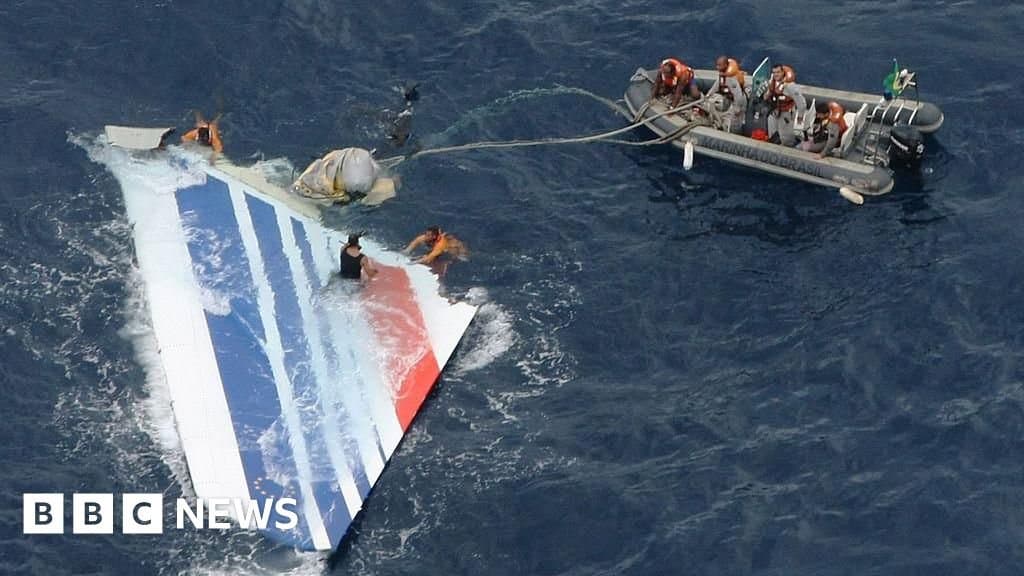
The Paris Appeals Court's manslaughter conviction of Air France and Airbus over the 2009 AF447 crash raises critical questions about corporate accountability in aviation and whether the verdict will lead to meaningful safety improvements.
The aviation community watched closely as the Paris Appeals Court delivered its stunning verdict: Air France and Airbus were found guilty of manslaughter over the 2009 crash of flight AF447, which claimed 228 lives. The court declared both companies "solely and entirely responsible" for the disaster, marking a significant moment in aviation history and corporate accountability.
This reversal of a 2023 acquittal comes after an eight-week trial that examined the complex chain of events that led to the Airbus A330 plunging into the Atlantic Ocean during a transatlantic flight from Rio de Janeiro to Paris. The verdict sends ripples through an industry that has long grappled with how to balance technological advancement with human factors in aviation safety.
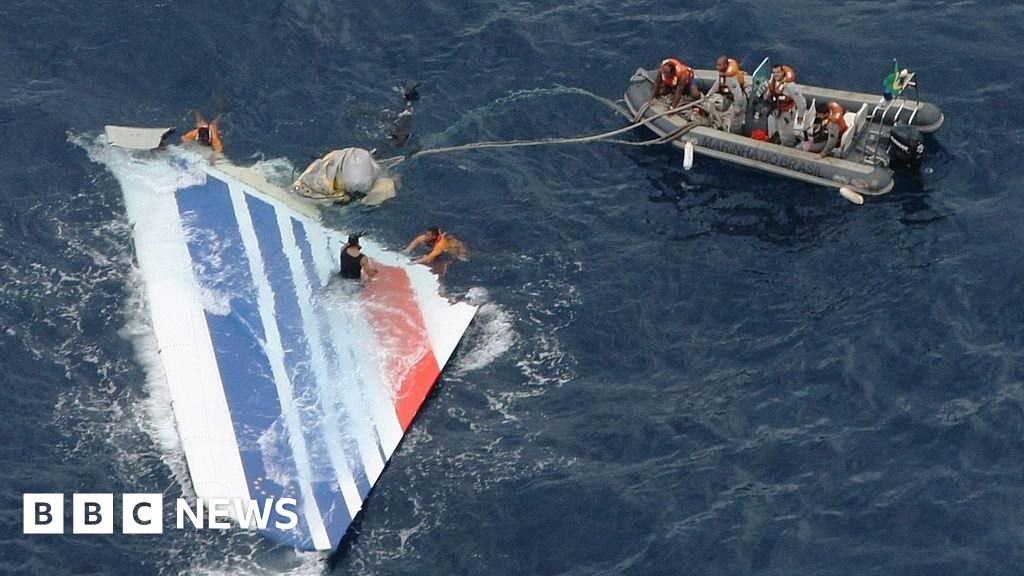
The Crash: A Technical Failure with Human Consequences
The incident occurred on June 1, 2009, when flight AF447 encountered severe weather conditions over the Atlantic. The investigation revealed that the plane's pitot tubes—speed sensors—became blocked by ice crystals, causing inconsistent airspeed readings. The captain was on break when the two co-pilots became confused by the faulty data. Instead of recognizing the stall and taking appropriate action, they mistakenly pointed the aircraft's nose upward, exacerbating the stall until the plane plunged into the ocean from 38,000 feet.
French investigators concluded in 2012 that the crash resulted from a combination of technical failure and the pilots' inability to properly respond to the situation. The co-pilots lacked specific training to handle such an emergency, a fact that has since led to improved pilot training programs and replacement of the problematic speed sensors across the Airbus fleet.
Legal Journey: From Initial Acquittal to Conviction
The legal battle surrounding AF447 has been a marathon. In April 2023, a court initially cleared both companies, but the appeals process brought renewed scrutiny. The prosecution argued during closing statements that Air France and Airbus had demonstrated "unacceptable" behavior, accusing them of "spouting nonsense and pulling arguments out of thin air." This strong language from the deputy prosecutors signaled the court's eventual determination.
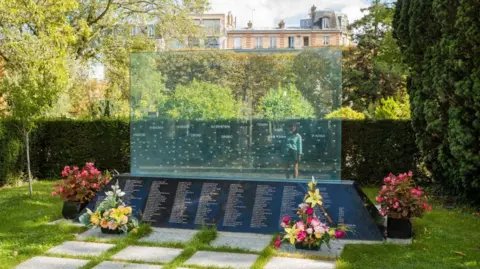
The companies now face maximum fines of €225,000 each, though victims' families have criticized this amount as merely symbolic. Daniele Lamy, president of the AF447 victims' association who lost her son in the accident, expressed both relief and continued frustration: "The justice system was at last, taking into account the pain of the families faced with a collective tragedy of unbearable brutality."
Industry Implications: Beyond the Fine
Aviation experts see this verdict as potentially transformative. The finding that both the airline and manufacturer were "solely and entirely responsible" creates a precedent that could reshape how aviation companies approach safety protocols and training programs. The verdict suggests that technical failures alone cannot absolve companies of responsibility when human factors are involved in their design and operational procedures.
"This verdict acknowledges what safety advocates have long argued: that aviation safety is a shared responsibility between manufacturers, airlines, and regulatory bodies," said aviation safety consultant Dr. Elena Rodriguez. "The message is clear that cutting corners on training or maintenance can have fatal consequences, and companies cannot hide behind technical complexity when failures occur."
Counter-Perspectives: The Companies' Defense
Air France and Airbus have consistently maintained their innocence and plan to appeal the verdict. Their arguments center on the unprecedented nature of the circumstances and the complexity of human factors in aviation emergencies.
"The AF447 tragedy was the result of a chain of rare and unforeseeable events, not negligence on the part of Air France or Airbus," stated a company representative. "We have always been committed to safety and have implemented numerous improvements based on the lessons learned from this accident."
Legal experts note that the manslaughter conviction is particularly significant in France, where corporate liability in aviation disasters has traditionally been difficult to establish. The burden of proof in this case was substantial, requiring the prosecution to demonstrate that the companies knowingly failed to take necessary safety precautions.
The Human Cost: Beyond Legal Proceedings
For the families of victims, the legal proceedings have been a long and painful journey. The passengers came from 33 different countries, including prominent figures like Brazilian prince Pedro Luiz de Orleans e Bragança and British doctor Aisling Butler. The recovery operation itself was a massive undertaking, with wreckage scattered across 10,000 square kilometers of ocean floor. The flight recorders weren't recovered until 2011, nearly two years after the crash.
Many families faced additional trauma as they waited for remains to be identified and returned. One Brazilian father interviewed in 2019 mentioned that he only buried his son's remains over two years after the incident, a testament to the prolonged suffering caused by both the crash and the subsequent investigations.
Looking Forward: Safety Improvements and Industry Changes
Since the AF447 crash, significant improvements have been implemented across the aviation industry. Pilot training now includes better stall recovery techniques, and the pitot tubes on Airbus aircraft have been redesigned. The incident also led to enhanced weather monitoring systems and improved crew resource management protocols.
However, safety advocates argue that more needs to be done. "The conviction should serve as a catalyst for more transparent safety reporting and stronger regulatory oversight," said aviation safety analyst Michael Chen. "Companies must move beyond compliance and embrace a culture where safety concerns are prioritized over operational efficiency or cost considerations."
The verdict may also influence how other aviation lawsuits are handled worldwide. Similar cases involving technical failures and human response factors may now be viewed through the lens of the AF447 precedent, potentially leading to more stringent accountability for manufacturers and airlines.
As Air France and Airbus prepare their appeal, the aviation industry watches to see whether this landmark verdict will translate into meaningful cultural shifts within companies, or if it will remain a historical footnote in the complex relationship between technological advancement and human safety in aviation.
Comments
Please log in or register to join the discussion