Rising input prices and disrupted logistics from the Iran‑Israel conflict are prompting factory closures and layoffs across Southeast Asia, even as strong electronics exports mask broader manufacturing weakness.
ASEAN manufacturers feel the squeeze from the Iran war

The Iran‑Israel war, now in its third year, has pushed commodity prices and freight rates to levels not seen since the 2011 Arab Spring. Data from the Asian Development Bank shows that the cost of key inputs – copper, aluminium and petrochemical feedstocks – has risen 12‑18 % year‑over‑year across the region. At the same time, container freight from the Middle East to Southeast Asian ports has surged 22 % since March, according to the Singapore Shipping Association.
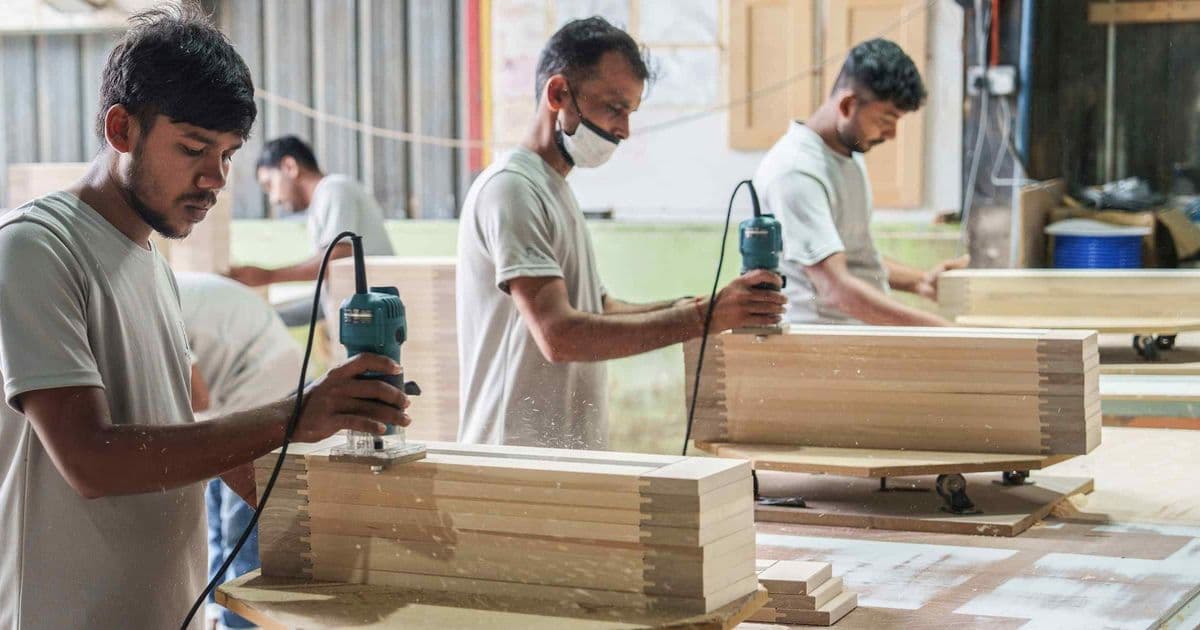
Manufacturers in Malaysia, the Philippines and Vietnam are reporting the first wave of plant closures linked to these cost shocks. In Malaysia’s southern state of Johor, the furniture‑assembly hub in Muar saw three factories shut down in the past quarter, eliminating roughly 1,200 jobs. A survey by the Malaysian Manufacturers Association (MMA) found that 38 % of respondents expect to cut staff in the next six months, up from 22 % a year earlier.
Market context: Electronics stay buoyant, other sectors falter
Electronics exports remain the bright spot for ASEAN. Singapore’s trade data for Q1 2026 shows a 9.4 % rise in shipments of semiconductors and printed‑circuit‑board assemblies, driven by demand from China’s EV and AI‑chip makers. However, the sector’s growth is uneven. While high‑value‑add firms can absorb higher raw‑material costs, mid‑tier assemblers face margin compression of up to 6 %.
In contrast, the region’s traditional manufacturing pillars – furniture, textiles and basic metal components – are seeing output dip 3‑5 % YoY. The Philippines’ Department of Trade and Industry reported that 112 small‑to‑medium enterprises in the Luzon region have ceased operations since January, citing “unmanageable freight spikes and raw‑material price volatility.” Indonesia’s textile exporters warned of a 4.2 % decline in shipments to the EU, attributing the drop to higher polyester resin prices linked to Middle‑East oil price spikes.
What it means for the regional economy
Employment pressure – The International Labour Organization estimates that the manufacturing sector accounts for roughly 28 % of total employment in ASEAN. A 2 % contraction in manufacturing output could translate to the loss of 1.1 million jobs by the end of 2026 if current trends continue.
Policy response – Central banks in Malaysia and Thailand have already signaled a pause on interest‑rate cuts, citing inflationary pressure from imported inputs. Both governments are expanding credit lines for firms that adopt cost‑saving technologies, such as AI‑driven demand forecasting and on‑site recycling of metal scrap.
Supply‑chain re‑shoring – Companies with exposure to the Middle‑East route are accelerating diversification. Samsung’s Southeast Asian procurement team, for example, announced a 15 % shift of its copper sourcing to South American suppliers, a move that could reduce exposure to geopolitical volatility but may increase lead times.
Long‑term competitiveness – The current shock underscores the need for ASEAN manufacturers to move up the value chain. Investment in automation, digital twins and predictive maintenance – areas where Singapore’s GovTech and Vietnam’s FPT are already partnering with local firms – could cushion future cost spikes.
Bottom line
The Iran war is exposing the fragility of ASEAN’s cost‑sensitive manufacturing base. While electronics exports provide a temporary buffer, the broader sector faces a tightening labor market and rising input costs. Policymakers and business leaders will need to combine short‑term financial relief with longer‑term digital transformation to prevent a deeper slowdown.
Comments
Please log in or register to join the discussion