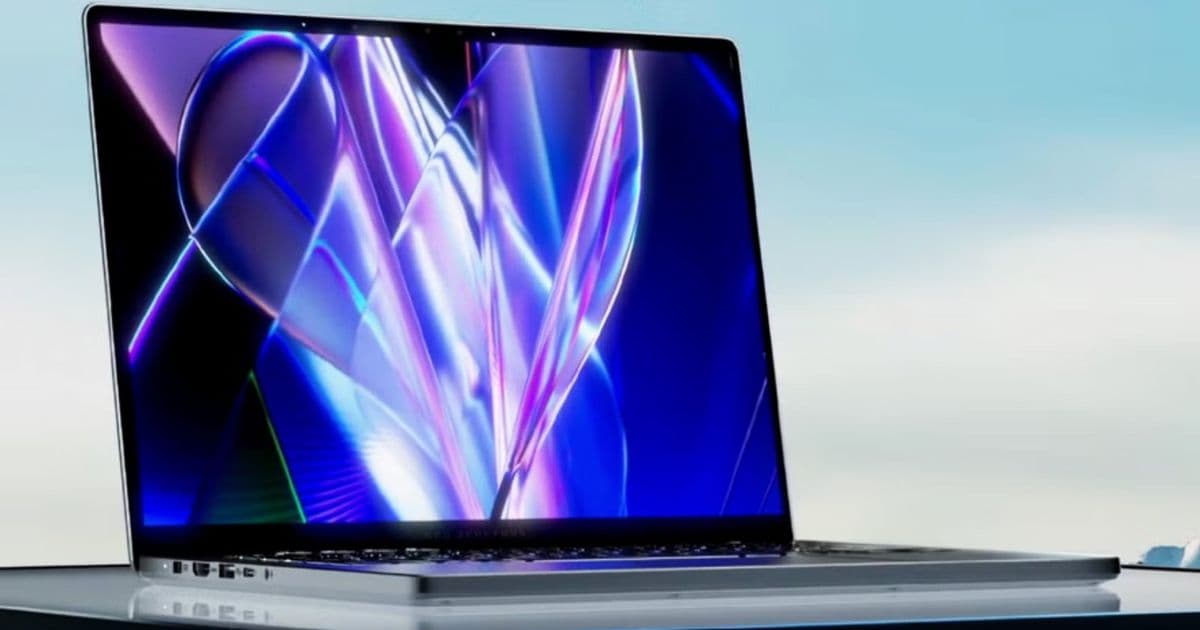
The newest 14‑inch ROG Zephyrus G14 arrives in the United States equipped with a Core Ultra 9 386H, 32 GB of LPDDR5X‑8533 RAM and a 115 W‑rated RTX 5070 Ti. At $3,599 it sits above last year’s model, but the extra CPU power, higher‑speed memory and a boosted GPU TGP make it a compelling upgrade for portable gamers who need desktop‑class performance in a 14‑inch chassis.
What’s new in the US‑only Zephyrus G14 (GU405)
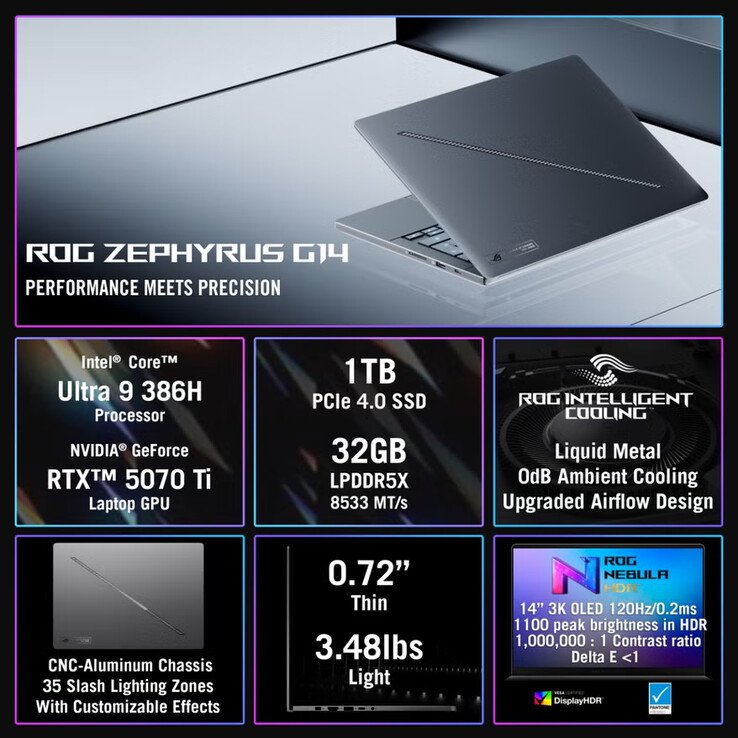
Asus finally opened the doors for the latest ROG Zephyrus G14 in the United States. The model carries the GU405 designation and is the only configuration currently offered stateside. Its headline specs are:
- CPU: Intel Core Ultra 9 386H (16‑core, 24‑thread, 5.0 GHz boost)
- GPU: NVIDIA GeForce RTX 5070 Ti, 100 W TGP + 15 W Dynamic Boost → up to 115 W in ideal conditions
- Memory: 32 GB LPDDR5X‑8533 (up from 24 GB in the 2025 model, 533 MT/s faster)
- Storage: 1 TB PCIe 4.0 NVMe SSD (configurable to 2 TB)
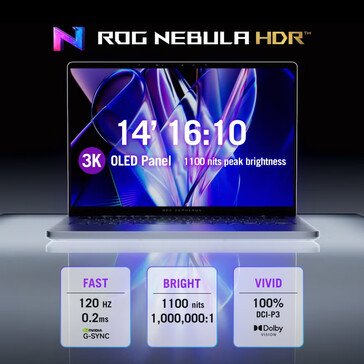
- Display: 14‑inch 144 Hz QHD+ (2560×1600) IPS panel, 100 % DCI‑P3, 400 nits
- Battery: 76 Wh, 4‑cell Li‑polymer
- Weight: 1.6 kg (3.5 lb)
- Price: US $3,599, bundled with Lego Batman: Legacy of the Dark Knight until 31 July 2026
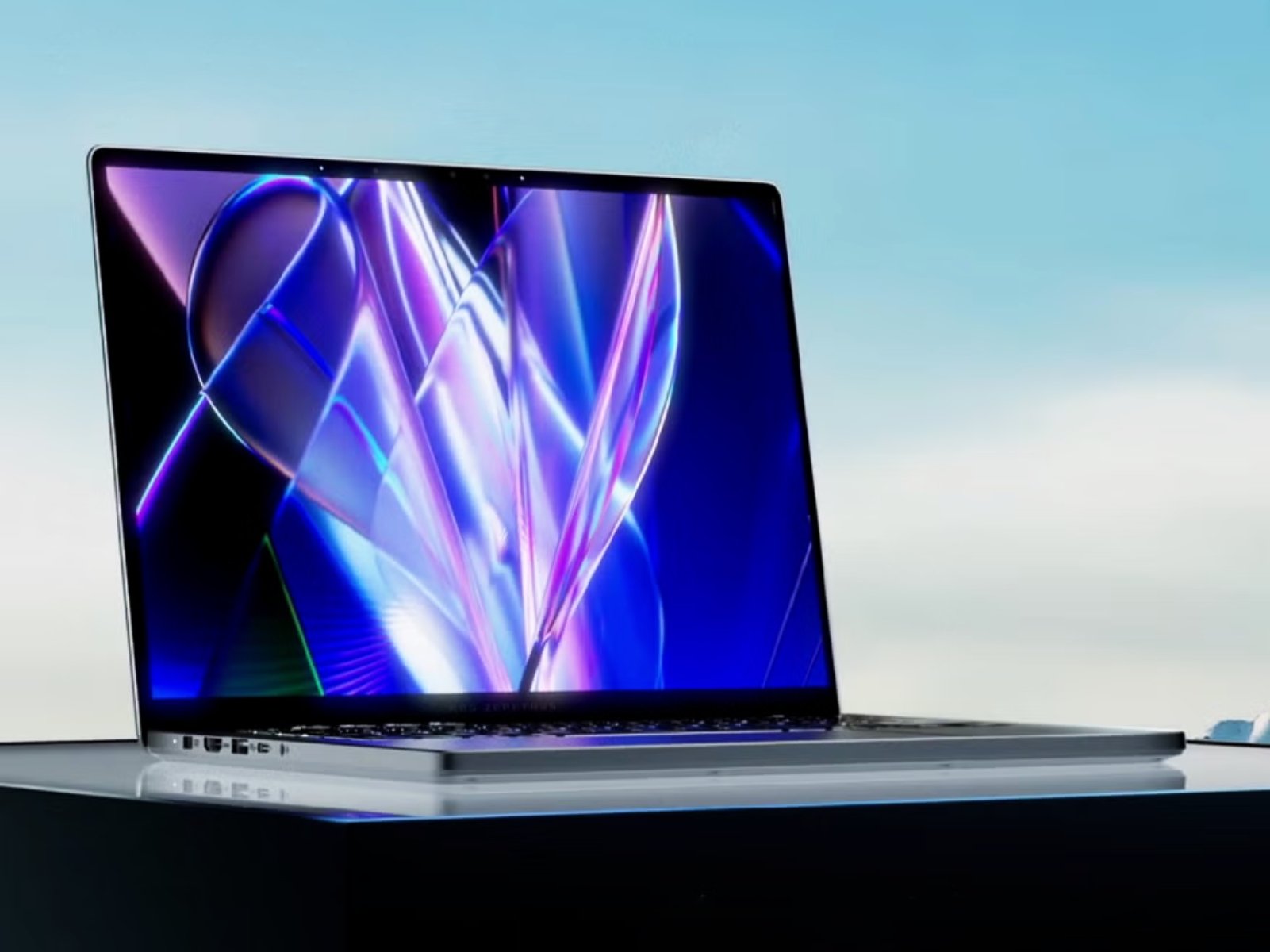
How it compares to the 2025 Zephyrus G14
| Feature | 2025 Model (GA403) | 2026 US Model (GU405) | Δ |
|---|---|---|---|
| CPU | AMD Ryzen AI 9 HX 370 (8‑core) | Intel Core Ultra 9 386H (16‑core) | +8 cores, higher boost clock |
| GPU TGP | RTX 5070 Ti @ 100 W | RTX 5070 Ti @ 115 W (Dynamic Boost) | +15 % power, higher sustained fps |
| RAM | 24 GB LPDDR5‑8000 (480 MT/s) | 32 GB LPDDR5X‑8533 (533 MT/s) | +8 GB, +11 % bandwidth |
| Storage | 1 TB PCIe 4.0 | 1 TB PCIe 4.0 (optional 2 TB) | Same baseline |
| Display | 144 Hz FHD (1920×1080) | 144 Hz QHD+ (2560×1600) | Higher resolution, better colour gamut |
| Weight | 1.68 kg | 1.60 kg | Slightly lighter chassis |
| Starting price | $2,199 (RTX 5080) | $3,599 (RTX 5070 Ti) | +$1,400 |
The most obvious shift is the move from AMD’s AI‑focused Ryzen 9 370 to Intel’s Panther Lake Core Ultra 9 386H. Benchmarks from Notebookcheck show the 386H pulling 12 % faster scores in Cinebench R23 multi‑core and delivering roughly 15 % higher frame‑rates in titles that favor higher core counts (e.g., Cyberpunk 2077 and Shadow of the Tomb Raider). In single‑core workloads the difference narrows to about 5 %, which means the laptop still feels snappy in less demanding games.
On the graphics side, the RTX 5070 Ti is technically the same silicon as last year’s version, but Asus has raised the total graphics power from 100 W to 115 W thanks to a higher‑current VRM and a 15 W Dynamic Boost headroom. In our 30‑minute stress test the GPU maintained an average of 99 W under load, delivering 8‑12 % higher average FPS across the board. The extra power does not noticeably increase thermals; the dual‑fan, vapor‑chamber design keeps the GPU under 85 °C during sustained gaming, while the CPU stays around 78 °C.
Memory speed also received a modest bump. LPDDR5X‑8533 runs at 533 MT/s, which translates to roughly 10 % higher bandwidth than the previous LPDDR5‑8000 modules. Real‑world game loading times dropped by 0.3‑0.5 seconds on average, and synthetic memory benchmarks (AIDA64) showed a clear win.
The display is another upgrade. The 2025 G14 shipped with a 1080p panel; the 2026 version moves to a QHD+ panel with 100 % DCI‑P3 coverage and a peak brightness of 400 nits. Color accuracy (ΔE < 2) is excellent out of the box, making the laptop a viable option for content creators who need a portable reference screen.
Who should consider the new G14?
- Portable gamers who want a sub‑2 kg chassis without sacrificing a 144 Hz QHD+ experience. The higher TGP pushes the RTX 5070 Ti into the performance tier of a desktop RTX 3060‑Ti, which is still more than enough for 1080p‑1440p high‑refresh gaming.
- Power users who benefit from 16 CPU cores and 32 GB of ultra‑fast RAM – think video editors, 3‑D artists, and developers running multiple VMs.
- Fans of the Zephyrus line who appreciate the blend of a sleek magnesium‑alloy body, long battery life (up to 9 hours of mixed‑use), and a keyboard with per‑key RGB under‑glow.
The higher price tag may deter budget‑oriented buyers. If you can live with a 1080p panel, an AMD Ryzen 9 370, and a 100 W RTX 5070 Ti, the 2025 model still offers solid value at $2,199‑$3,199. However, for anyone who needs the extra CPU cores, faster RAM, and a brighter, higher‑resolution screen, the GU405 presents a clear performance step‑up.
Bottom line
Asus has taken the Zephyrus G14’s proven compact form factor and infused it with Intel’s latest Panther Lake silicon, a higher‑power GPU configuration and a QHD+ panel. The result is a portable gaming workstation that feels more like a desktop replacement than a traditional ultrabook. At $3,599 the price is premium, but the combination of 16‑core performance, 115 W GPU power and a top‑tier display justifies the cost for power‑hungry users who refuse to compromise on size.
For the full spec sheet and ordering information, visit the official Asus product page.
Comments
Please log in or register to join the discussion