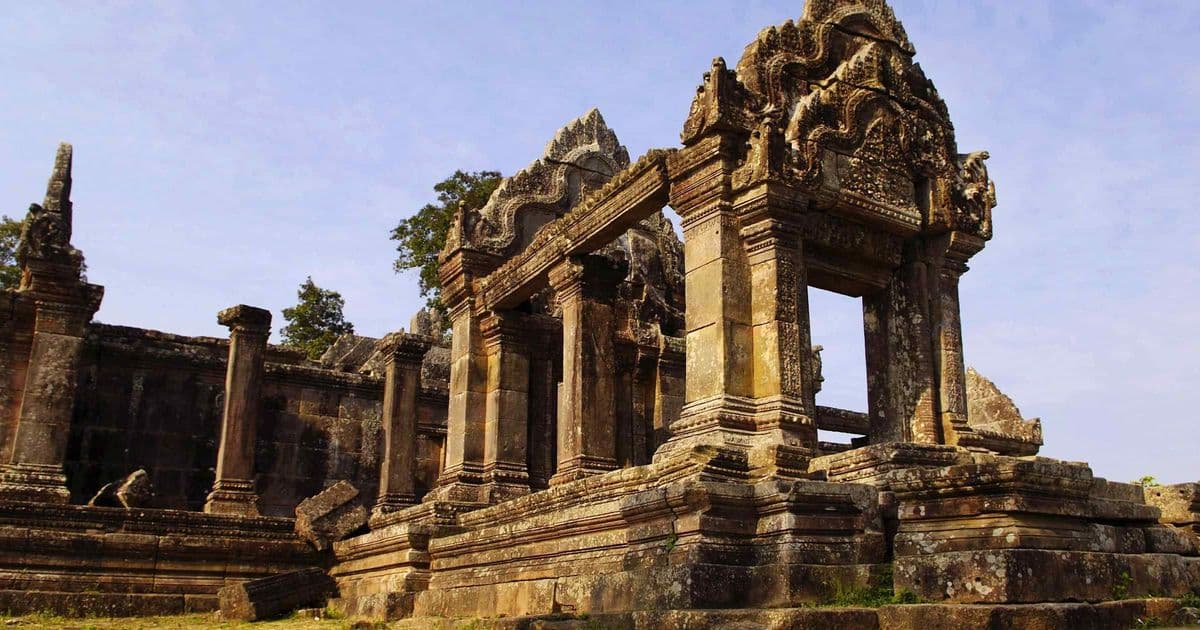
Vandalism at the UNESCO‑listed Preah Vihear temple has triggered a sharp dip in tourist arrivals, prompted emergency reparations costing $12 million, and raised concerns among heritage donors about the security of Southeast Asian sites.
Attacks on Preah Vihear Temple Undermine Global Heritage Funding and Regional Tourism
What happened
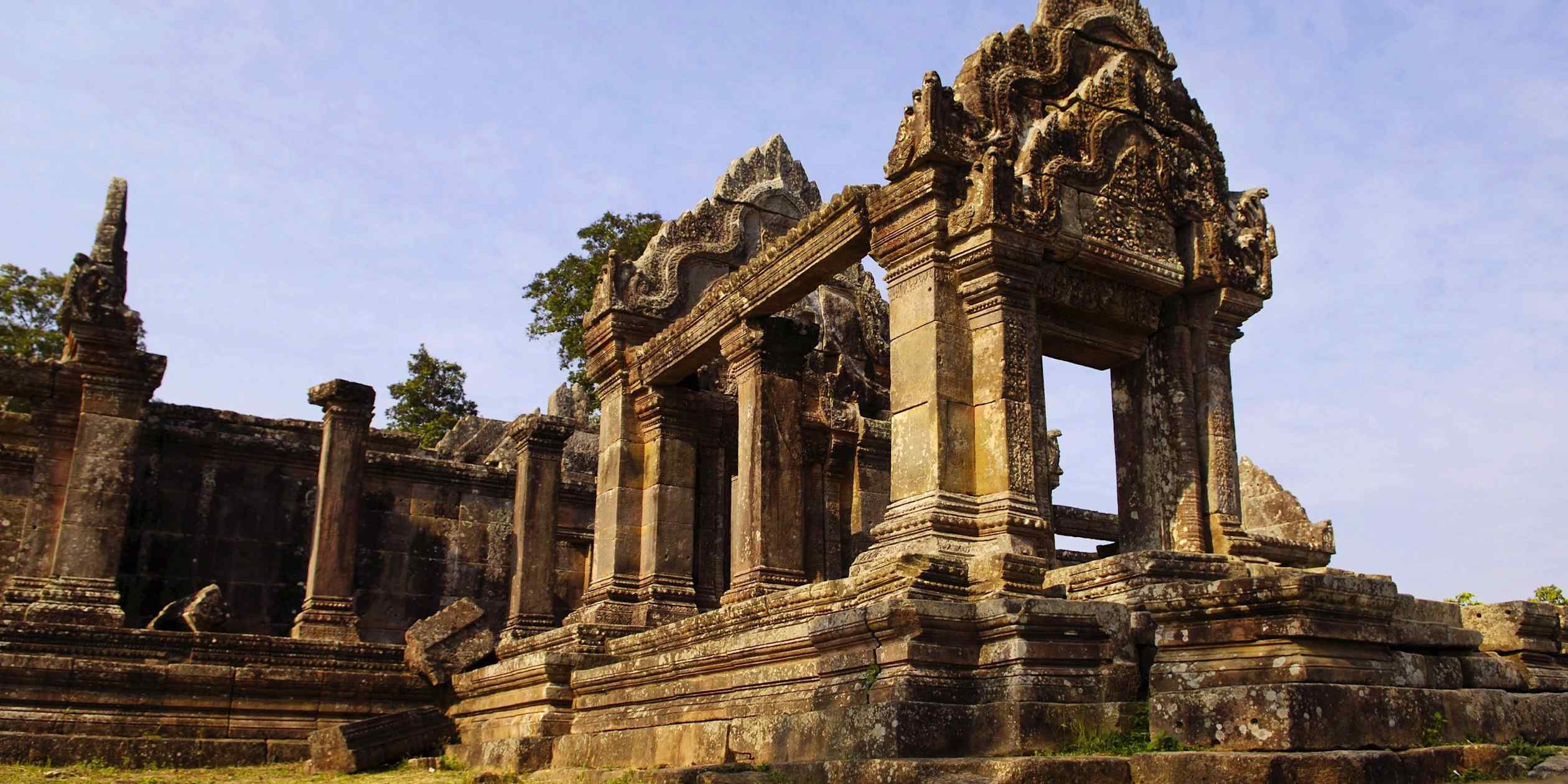
On 22 May 2026, a series of coordinated graffiti attacks and minor explosive devices were discovered at the limestone sanctuary of Preah Vihear, a UNESCO World Heritage site perched on the Cambodia‑Thailand border. The damage, estimated at $3.2 million in restoration work, includes defaced bas‑reliefs, shattered stone balustrades, and a compromised perimeter wall. Cambodian authorities arrested three suspects linked to a nationalist militia that opposes Thailand’s claim to the surrounding highlands.
Market context
Tourism revenue shock
Preah Vihear attracted 120,000 foreign visitors in 2025, generating roughly $14 million in direct tourism receipts for the Siem Reap province. After the attacks, the Ministry of Tourism reported a 38 % drop in bookings for the June‑August peak season, translating to an estimated $5.4 million shortfall.
Heritage‑funding pipeline
The World Monuments Fund (WMF) and the Asian Development Bank (ADB) had earmarked $12 million for a three‑year conservation program at Preah Vihear, scheduled to begin in Q4 2026. Following the incident, WMF placed the grant on hold pending a security‑risk assessment, while the ADB warned that “project timelines may be extended by 12‑18 months, increasing overall costs by up to 22 %.”
Regional spill‑over
Neighboring sites—Angkor Wat, Bagan and Luang Prabang—have seen a 4‑7 % dip in visitor numbers since the attacks, as travel agencies re‑route itineraries to avoid perceived instability. The ASEAN Tourism Ministers’ meeting in Jakarta is now slated to discuss a joint “heritage security protocol” to protect cross‑border monuments.
Strategic implications
- Funding uncertainty – With donor confidence shaken, Cambodia may need to allocate up to $4 million from its national budget to bridge the gap, potentially diverting resources from other cultural projects such as the restoration of the Royal Palace in Phnom Penh.
- Policy shift toward militarized protection – The Ministry of Culture announced a pilot program deploying 12 mobile surveillance units equipped with facial‑recognition cameras around the site. While this may deter future vandalism, it raises privacy concerns among local communities and international NGOs.
- Insurance premium hikes – Heritage insurers, including AXA Climate and Swiss Re, have raised premiums for Southeast Asian monuments by 15 % after the incident, citing increased geopolitical risk. This could make future conservation contracts more expensive for governments and NGOs.
- Tourism diversification pressure – Operators are accelerating the development of alternative circuits that highlight lesser‑known sites in Kampong Thom and Ratanakiri, aiming to offset the revenue loss from Preah Vihear. Early data from the Cambodia Tourism Board shows a 12 % increase in bookings for these secondary destinations in June 2026.
What it means for the sector
The Preah Vihear attacks illustrate how cultural heritage can become a flashpoint in broader geopolitical disputes, with immediate financial repercussions for tourism‑dependent economies. Stakeholders—governments, donors, insurers and private operators—must now factor security risk into project valuations and budget forecasts. A coordinated ASEAN response, blending law‑enforcement cooperation with community‑based stewardship, could restore confidence and protect the region’s shared heritage assets.
*For further details on the restoration plan, see the World Monuments Fund project brief and the ADB heritage financing framework.
Comments
Please log in or register to join the discussion