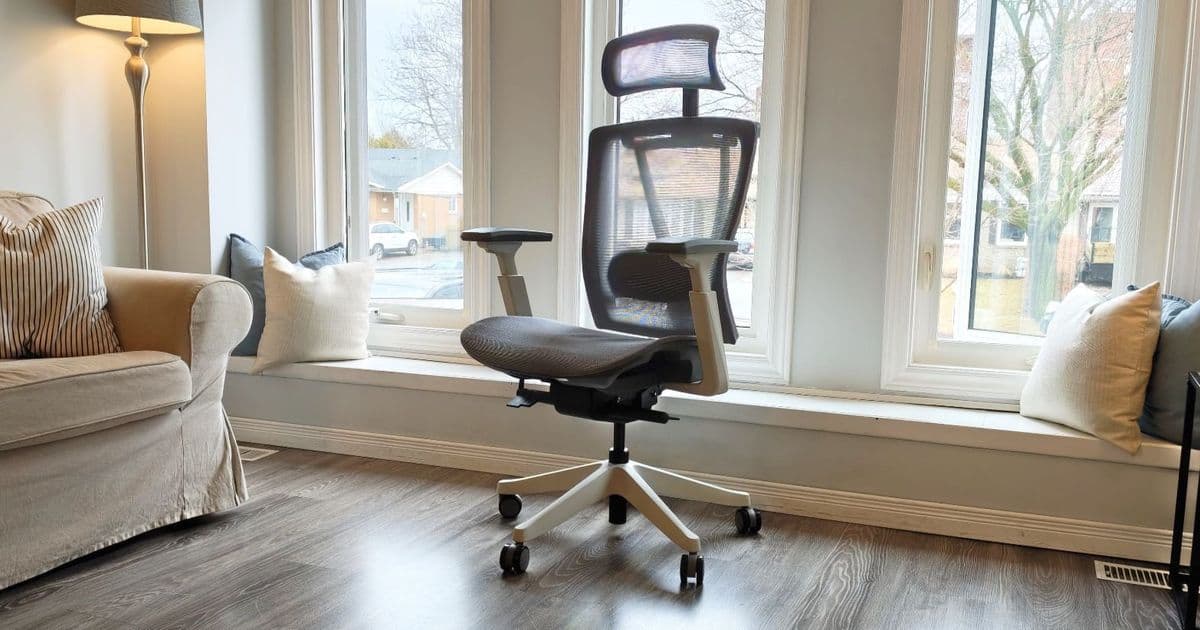
The Autonomous ErgoChair Pro delivers a lightweight, sturdy frame and a decent set of adjustments for $449, but its mesh seat and limited lumbar tuning keep it from standing out in a crowded ergonomic‑chair market.
Introduction
The office chair market has become a boutique of options, with everything from ultra‑padded leather thrones to breathable mesh seats. The Autonomous ErgoChair Pro lands in the $400‑$500 bracket, promising a blend of durability, adjustability, and a sleek two‑tone Cool Grey finish. After a two‑week, 6‑hour‑per‑day test, the chair proves competent in most areas, yet it falls short where comfort matters most.
Technical Specifications
| Spec | Detail |
|---|---|
| Upholstery | German‑engineered mesh (foam‑pad variant optional) |
| Total Height | 48.5‑52.0 in (123‑132 cm) |
| Seat Height Range | 18.5‑21.5 in (47‑55 cm) |
| Back‑tilt | 22° with tension‑adjustable resistance |
| Arm‑rest Adjustments | 3‑way (height, width, lock) |
| Weight Capacity | 300 lb (136 kg) |
| Chair Weight | 48.5 lb (22 kg) |
| Warranty | 2 years |
| Price (review) | $449.00 / £386.39 |
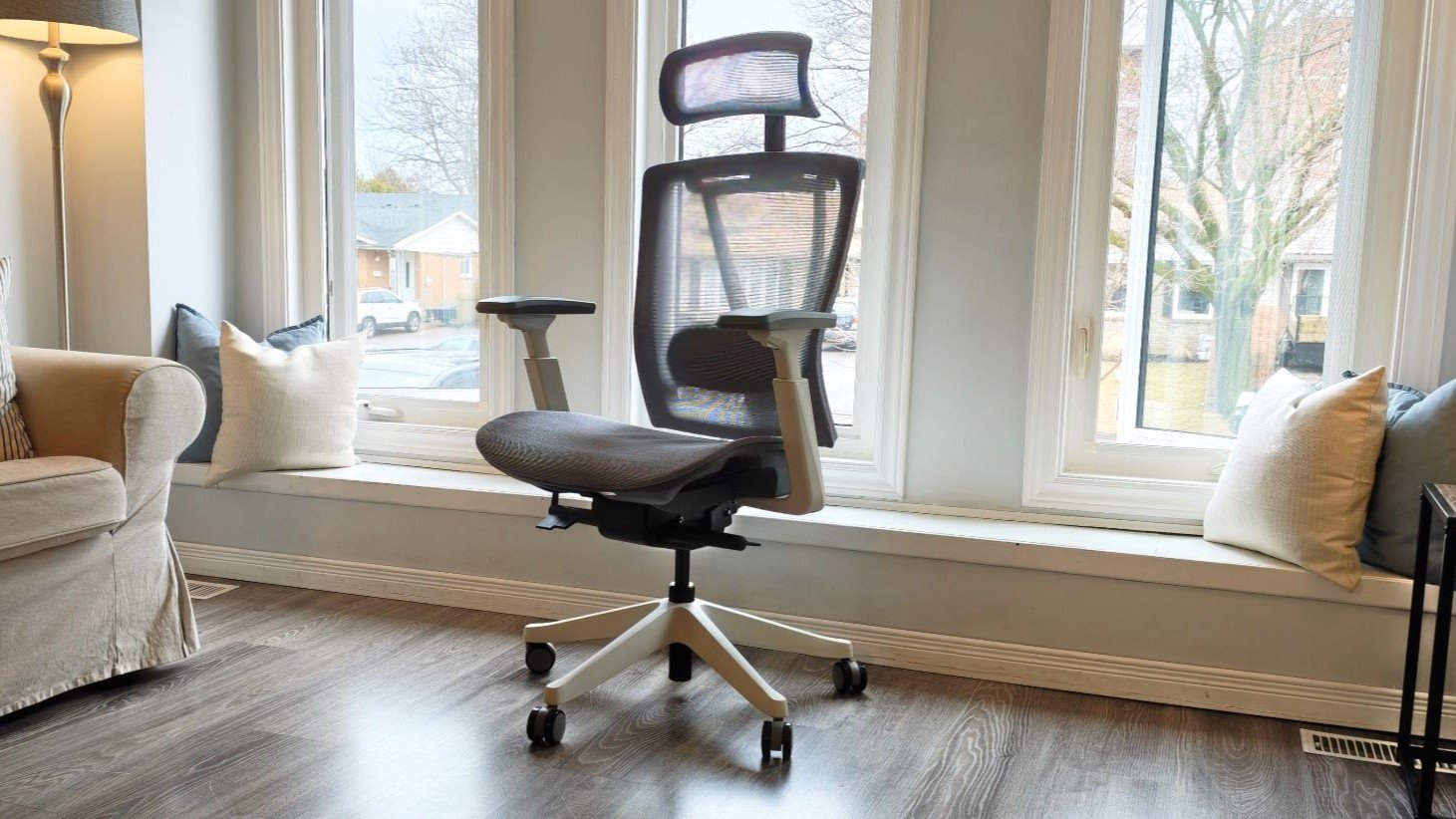
The chair’s frame is primarily dense ABS plastic, which keeps the overall weight down to 48.5 lb—a noticeable advantage for open‑plan offices where chairs are moved frequently. Double‑walled wheels roll smoothly on both hard floors and carpet, and the mesh back reduces heat buildup during long sessions.
Build Quality and Assembly
Unboxing took about 5 minutes; parts were neatly organized, and the included PDF and video instructions made the 35‑minute assembly straightforward. The slide‑lock headrest mechanism replaces the more fiddly Core version, and the bolt kit includes a spare of each size, a small but appreciated detail for anyone who has ever stripped a bolt.
The finished chair measures 29 in × 29 in (73.7 cm × 73.7 cm) with a height of 46‑50 in (117‑127 cm). Despite the lightweight plastic, the frame feels solid—no wobble or unintended rocking was observed even when leaning forward.
Ergonomics and Adjustability
- Backrest & Headrest – Height‑adjustable headrest with a 22° tilt range and a tension‑adjustable tilt‑resistance thread. The backrest width (21 in) and length (22 in) accommodate users from 5'5" to 6'5" comfortably.
- Lumbar Support – Fixed‑position lumbar pad with no height adjustment. It offers basic support but cannot be tailored for taller users, limiting its effectiveness.
- Seat – Mesh seat provides breathability but lacks cushioning. Seat‑depth adjustment (2 in) and height adjustment (3 in) work well, yet the 19 in sitting surface feels narrow for larger users. A foam‑pad version is available and recommended for anyone who spends more than a few hours seated.
- Armrests – Three‑way adjustment (height, width, lock) is solid, but the arm‑rest placement makes the tilt and height levers harder to reach compared with the Core model.
Comfort in Real‑World Use
During the two‑week trial, the chair remained comfortable for 4‑5 hours at a stretch. Beyond that, the mesh seat began to create pressure points on the thighs and calves, prompting more frequent micro‑breaks. Users who sit with both feet flat on the floor will find the experience acceptable; those who prefer a reclined posture or a padded seat may feel the lack of cushioning more acutely.
Market Positioning
At $449, the ErgoChair Pro sits squarely among competitors such as the Secretlab Titan Evo 2024 ($499) and the Herman Miller Sayl ($595). While the price is comparable, the Pro lacks distinguishing features:
- No PU‑leather accents (present on the lower‑priced Core model).
- Fixed lumbar support versus the multi‑position systems found on higher‑end chairs.
- Mesh seat comfort that trails padded alternatives.
Consequently, the chair is best described as a well‑built, mid‑tier option for users who prioritize weight, adjustability, and a modest price over premium comfort.
Verdict
The Autonomous ErgoChair Pro delivers on its promises of sturdiness, lightweight construction, and a decent adjustment set. However, the mesh seat and non‑adjustable lumbar keep it from being a compelling choice for anyone seeking a truly ergonomic experience. For the price‑conscious buyer who values mobility and a clean aesthetic, the Pro is a solid pick—especially if the optional foam‑pad seat is selected.
Bottom line: Good build, adequate adjustability, but average comfort.
Comments
Please log in or register to join the discussion