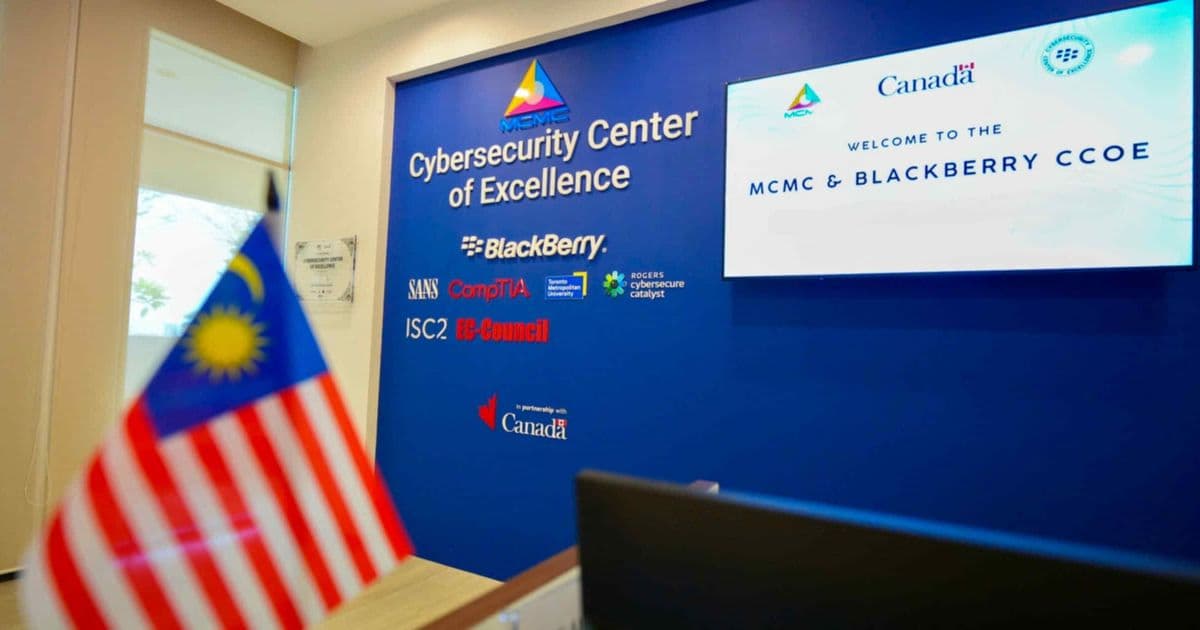
BlackBerry has established a Cybersecurity Center of Excellence in Kuala Lumpur, positioning Malaysia as its regional hub to serve growing demand from governments and enterprises across Asia amid tighter data regulations and rising cyber threats.
BlackBerry expands Asian footprint with Malaysian cybersecurity hub
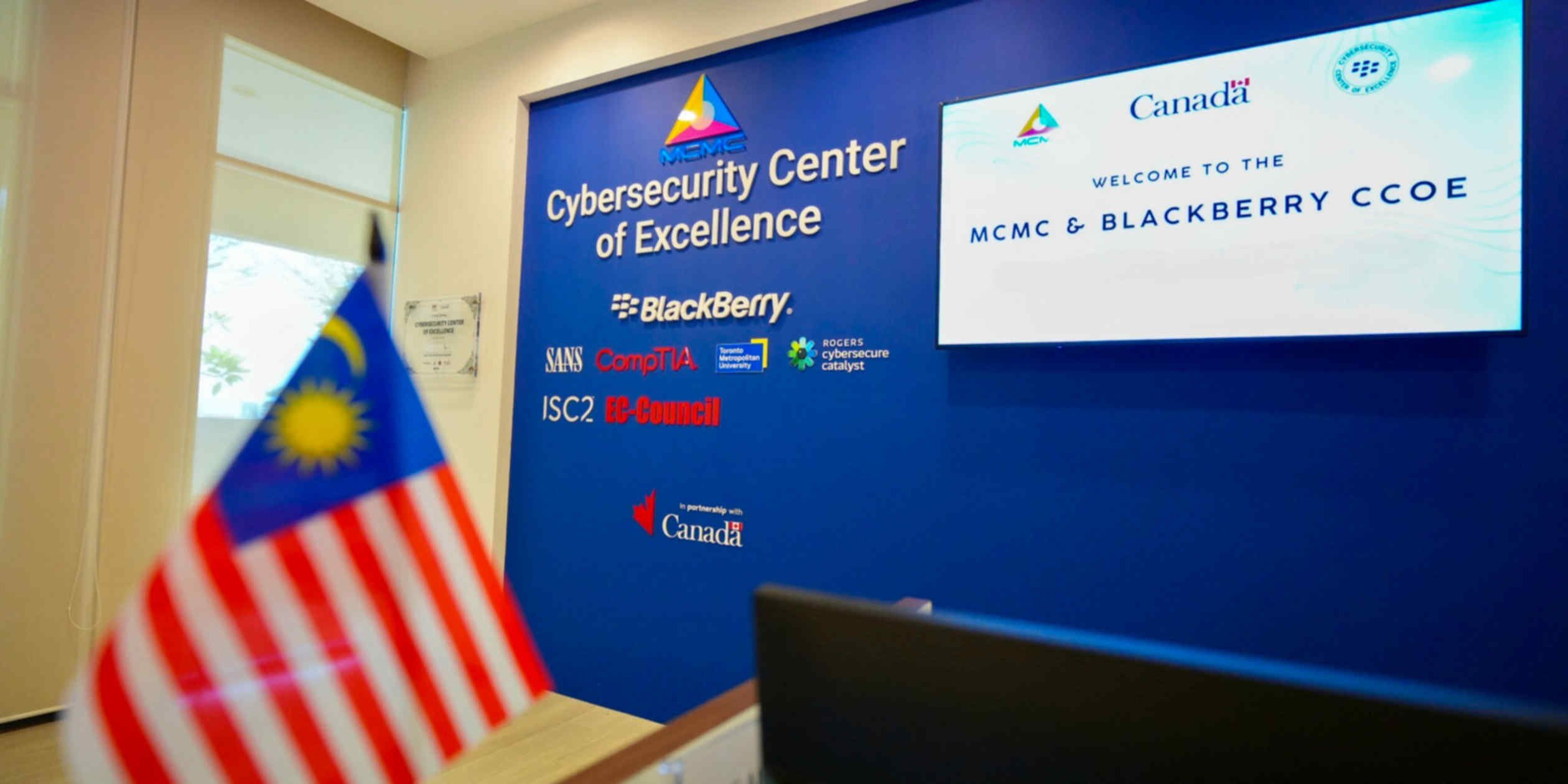
BlackBerry Ltd. announced that it will base its Asia‑Pacific cybersecurity operations out of Kuala Lumpur, partnering with the Malaysian Communications and Multimedia Commission (MCMC) to launch a dedicated Cybersecurity Center of Excellence. The move follows a year‑long strategy shift that sees the former smartphone maker focus on enterprise security software and automotive platforms.
Market context
- Regional spending: IDC projects Asia‑Pacific cybersecurity expenditures to reach US$31.4 billion in 2026, up 12 % year‑over‑year, driven by stricter data‑privacy laws in Japan, South Korea and India.
- Regulatory tailwinds: New data‑localisation mandates in Malaysia, Thailand and the Philippines require firms to host security services within national borders, creating a clear market for localised threat‑intelligence and incident‑response capabilities.
- Competitive pressure: Global vendors such as Palo Alto Networks and Check Point have opened regional delivery centers in Singapore and Hong Kong. BlackBerry’s Kuala Lumpur hub gives it a cost‑effective alternative, with Malaysia’s corporate tax rate at 17 % and an average wage for security engineers roughly 30 % lower than in Singapore.
What the hub delivers
- Threat‑intelligence fusion: Analysts will aggregate data from MCMC’s national CERT, local ISPs and BlackBerry’s own Global Threat Intelligence platform, providing real‑time alerts for government agencies and critical‑infrastructure operators.
- Managed detection and response (MDR): A 24/7 SOC staffed by a mix of local talent and senior engineers from BlackBerry’s Toronto and Arizona teams will offer endpoint detection, network monitoring and rapid remediation services.
- Compliance automation: Built‑in modules for Malaysia’s Personal Data Protection Act (PDPA) and the upcoming ASEAN Data Protection Framework will help multinational corporations meet cross‑border reporting requirements.
- Training and certification: In partnership with local universities, BlackBerry will launch a cybersecurity apprenticeship program targeting recent graduates, aiming to certify 500 professionals by 2028.
Strategic implications
- Revenue upside: BlackBerry’s FY‑2025 cybersecurity segment posted US$1.12 billion in revenue, a 22 % increase from the previous year. Analysts at Morgan Stanley estimate that the Malaysian hub could contribute an additional US$150–200 million annually by 2028, assuming a modest 5 % market capture in the region.
- Risk mitigation for clients: By locating services within Malaysia, BlackBerry reduces latency for local networks and sidesteps data‑sovereignty concerns that have slowed adoption of offshore security platforms.
- Talent pipeline: Malaysia’s government has pledged RM2 billion (≈US$460 million) over the next five years to develop a national cybersecurity workforce, aligning with BlackBerry’s apprenticeship plans and ensuring a steady supply of skilled analysts.
- Competitive positioning: While rivals rely on cloud‑centric models, BlackBerry’s hybrid approach—combining on‑premise appliances with its BlackBerry UEM and Cylance AI engines—offers a differentiated value proposition for highly regulated sectors such as finance, utilities and defense.
Outlook
The Kuala Lumpur hub is slated to become fully operational by Q3 2026, with the first batch of MDR contracts expected to close in Q4. If BlackBerry can translate its global threat‑intelligence capabilities into localized services, the Malaysian center could become a blueprint for similar expansions in Thailand and Vietnam, reinforcing the company’s ambition to be the go‑to security partner for Asia’s increasingly regulated digital economy.
For more details on BlackBerry’s cybersecurity portfolio, see the official product page.
Comments
Please log in or register to join the discussion