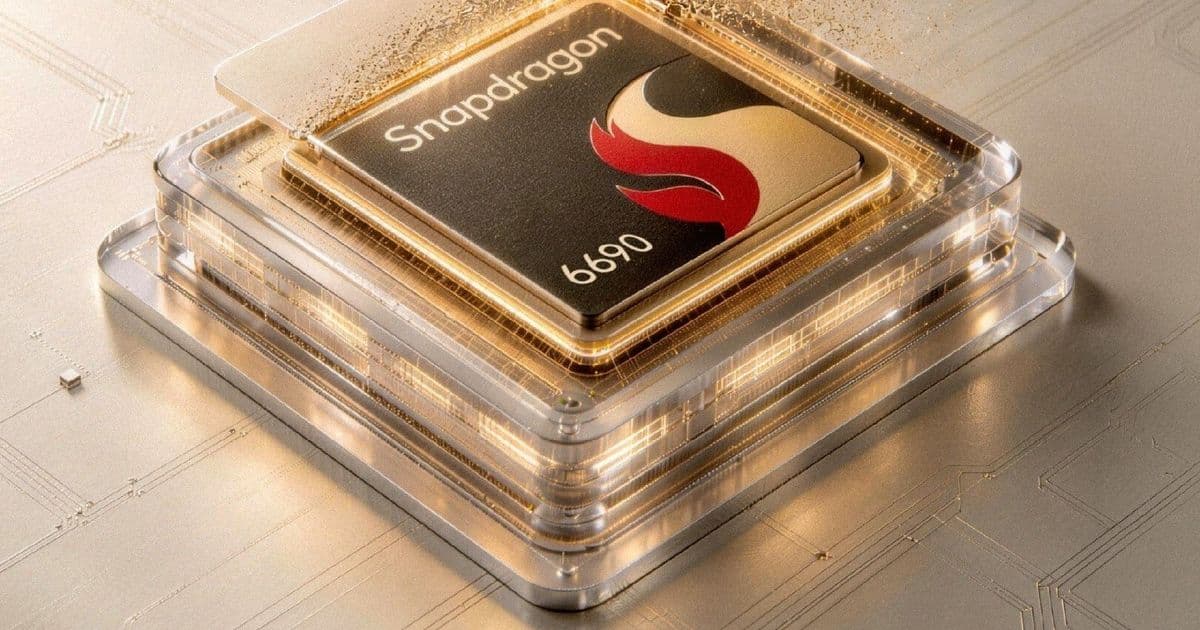
Boox’s upcoming Note X6 will run on Qualcomm’s new Snapdragon 6690 (Dragonwing) 4 nm processor, bringing a claimed 78 % performance bump, integrated RFID, Wi‑Fi 7 and a 6 TOPS NPU. The article breaks down the chip’s architecture, compares it to the Note X5’s Snapdragon 8 Gen 1, and explains which users will feel the difference.
What’s new – Snapdragon 6690 powers the Note X6
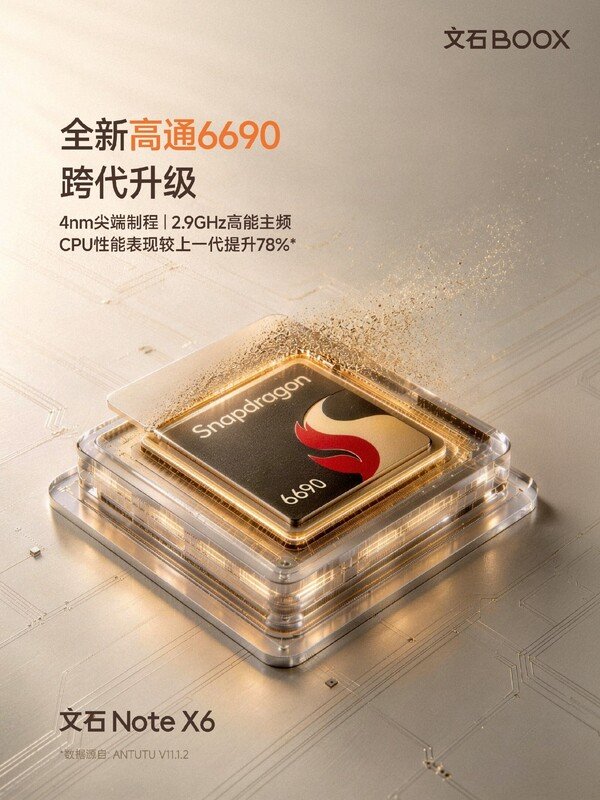
Boox has finally lifted the veil on the silicon behind its next e‑paper notebook. A short teaser on the brand’s Weibo account shows the Snapdragon 6690 (also marketed by Qualcomm as Dragonwing Q‑6690) inside the upcoming Note X6. The chip is built on a 4 nm process and packs a 2.9 GHz CPU clock, eight Kryo 7‑series cores, an Adreno GPU running at 1.15 GHz, a 6 TOPS NPU, Wi‑Fi 7, Bluetooth 6.0 and, uniquely, fully integrated UHF (RAIN) RFID.
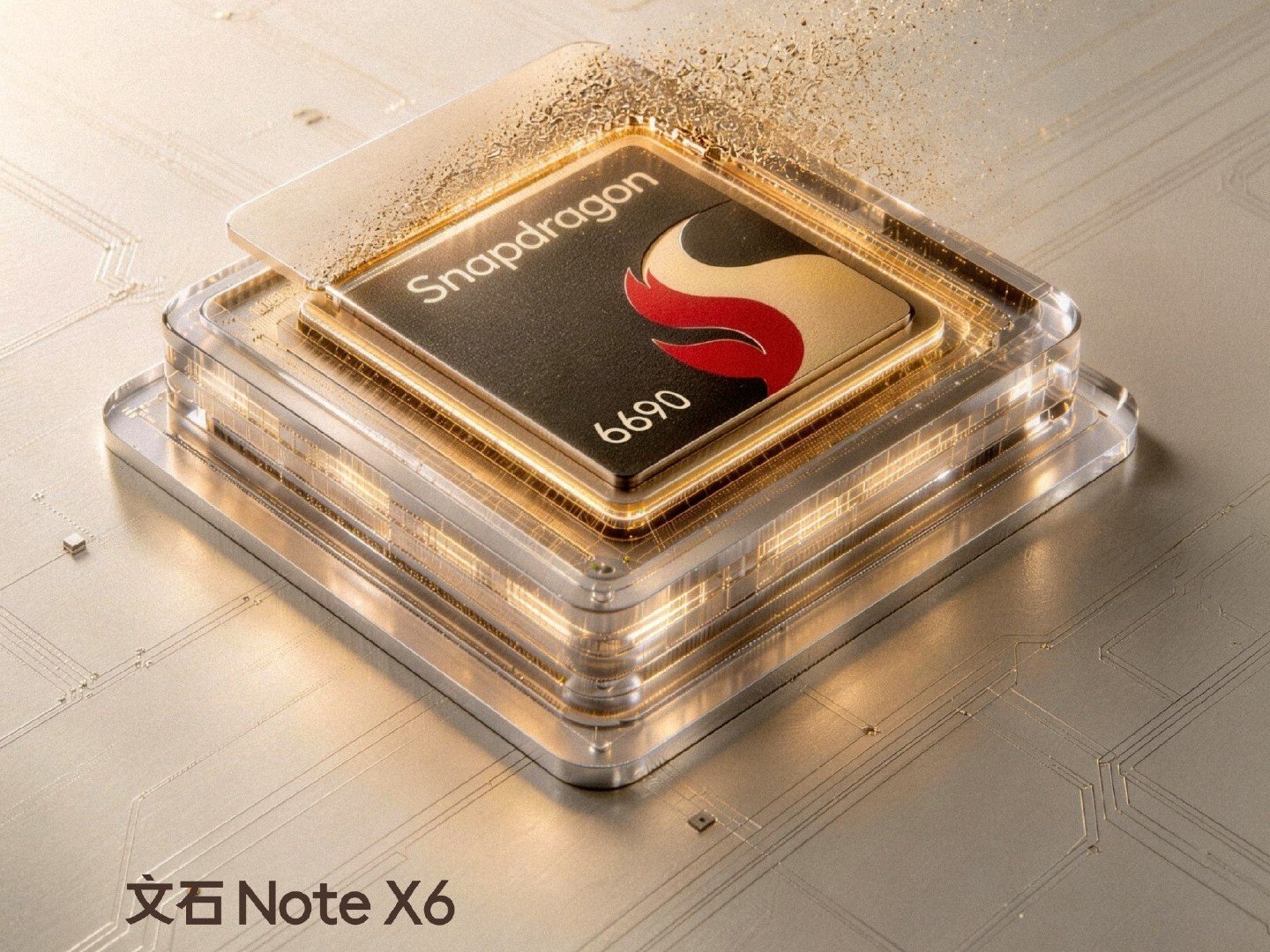
Boox claims the new SoC delivers a 78 % performance increase over the Snapdragon 8 Gen 1 that powered the Note X5. If the numbers hold up in real‑world tests, the X6 should feel noticeably snappier when opening large PDFs, switching between note‑taking apps, or running AI‑assisted handwriting recognition.
How it compares – from the Note X5 to the competition
| Feature | Snapdragon 8 Gen 1 (Note X5) | Snapdragon 6690 / Dragonwing (Note X6) | Typical competitor (Intel Core i5‑1240P) |
|---|---|---|---|
| Process node | 4 nm | 4 nm | 10 nm |
| CPU cores | 8 (1×3.0 GHz + 3×2.5 GHz + 4×1.8 GHz) | 8 Kryo 7 (2×2.9 GHz + 6×2.5 GHz) | 12 (4×P‑cores 2.9 GHz + 8×E‑cores 1.8 GHz) |
| GPU | Adreno 660 @ 0.9 GHz | Adreno 730 @ 1.15 GHz | Iris Xe Graphics |
| NPU | 5 TOPS | 6 TOPS | No dedicated NPU |
| Connectivity | Wi‑Fi 6, BT 5.2 | Wi‑Fi 7, BT 6.0 | Wi‑Fi 6, BT 5.2 |
| Integrated RFID | No | Yes (UHF RAIN) | No |
The raw CPU clock rise from 2.5 GHz to 2.9 GHz, combined with a newer micro‑architecture, explains Boox’s 78 % claim. More interesting is the UHF RFID block – a feature normally reserved for POS terminals and inventory scanners. In an e‑paper notebook it could enable on‑the‑go barcode reading, smart‑card authentication, or even contactless payment without extra dongles.
Compared with a typical Intel Core i5‑1240P laptop, the Snapdragon 6690 still lags in raw multi‑threaded throughput, but the power envelope is dramatically lower (≈5 W vs. 15‑25 W). For an e‑ink device that runs on a 50 Wh battery, that efficiency translates into full‑day usage even with heavy note‑taking and occasional AI inference.
Who will benefit – practical buyer guidance
| User type | What the Snapdragon 6690 brings | Verdict |
|---|---|---|
| Students & researchers | Faster PDF rendering, smoother handwriting, AI‑assisted search in notes | Strong upgrade – less lag when handling large academic papers |
| Business professionals | Integrated RFID for quick badge scans, secure login, and potential POS use | Niche but compelling for field sales or inventory work |
| Creative makers | Higher GPU clock improves pen‑on‑screen latency in drawing apps; NPU speeds up style‑transfer filters | Good, though the e‑ink refresh rate remains the limiting factor |
| Power‑conscious users | 4 nm efficiency + Wi‑Fi 7’s lower latency keep battery life high | Excellent – expect 12‑14 h of mixed use on a single charge |
| Gamers | None – the device is still an e‑paper notebook, not a gaming platform | Not a target audience |
In short, the Note X6’s chipset is a purpose‑built evolution rather than a generic laptop upgrade. If you value low power draw, integrated RFID, and a noticeable speed bump over the Note X5, the X6 is worth waiting for. Users who only need basic note‑taking may find the X5 still sufficient, but the performance gap will become evident when multitasking with AI‑driven features.
What’s still unknown
- Display refresh speed – Boox has not disclosed whether the new panel supports faster partial updates to match the CPU’s speed.
- Battery capacity – The X5 shipped with a 50 Wh cell; the X6 could be larger to accommodate the extra RFID circuitry.
- Pricing – No official MSRP yet; early speculation places it in the €1,200‑€1,400 range.
- Software support – Boox’s Android‑based OS will need drivers for the RFID block and the new Wi‑Fi 7 chipset.
Boox has promised a full reveal on May 27, so we should see a detailed spec sheet and perhaps a performance video before the holiday shopping season.
Bottom line
The Snapdragon 6690 (Dragonwing) gives the Note X6 a solid performance uplift, enterprise‑grade connectivity, and a unique RFID capability that could open new workflow possibilities. It’s a clear step forward for power‑hungry note‑takers and professionals who need a thin, always‑on device that stays alive all day.
Comments
Please log in or register to join the discussion