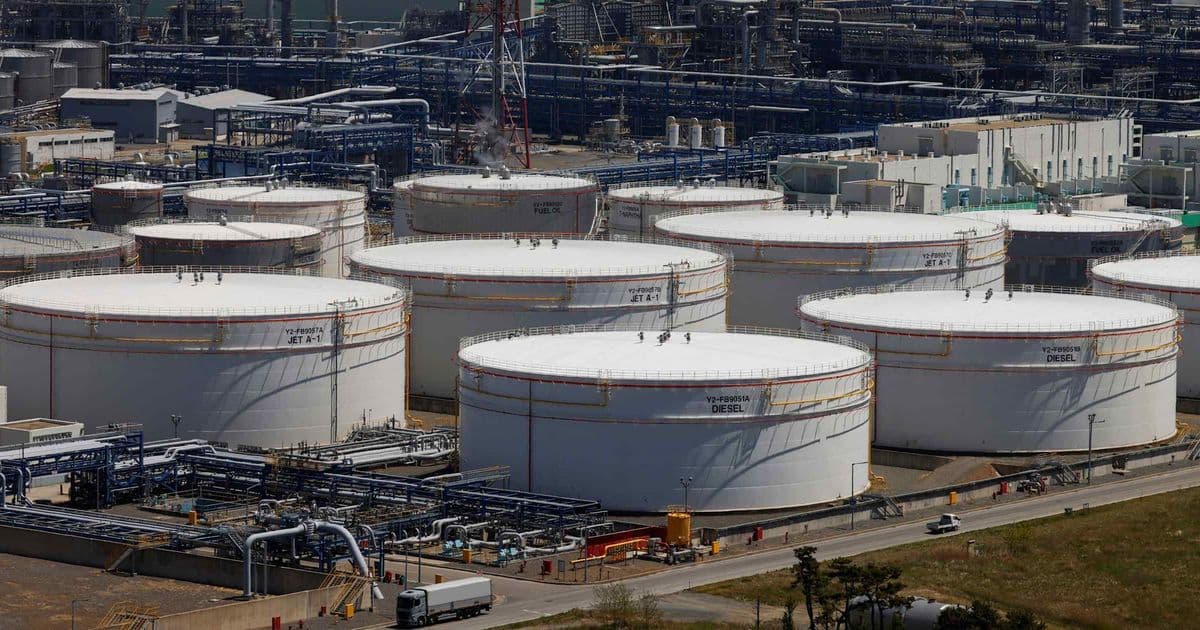
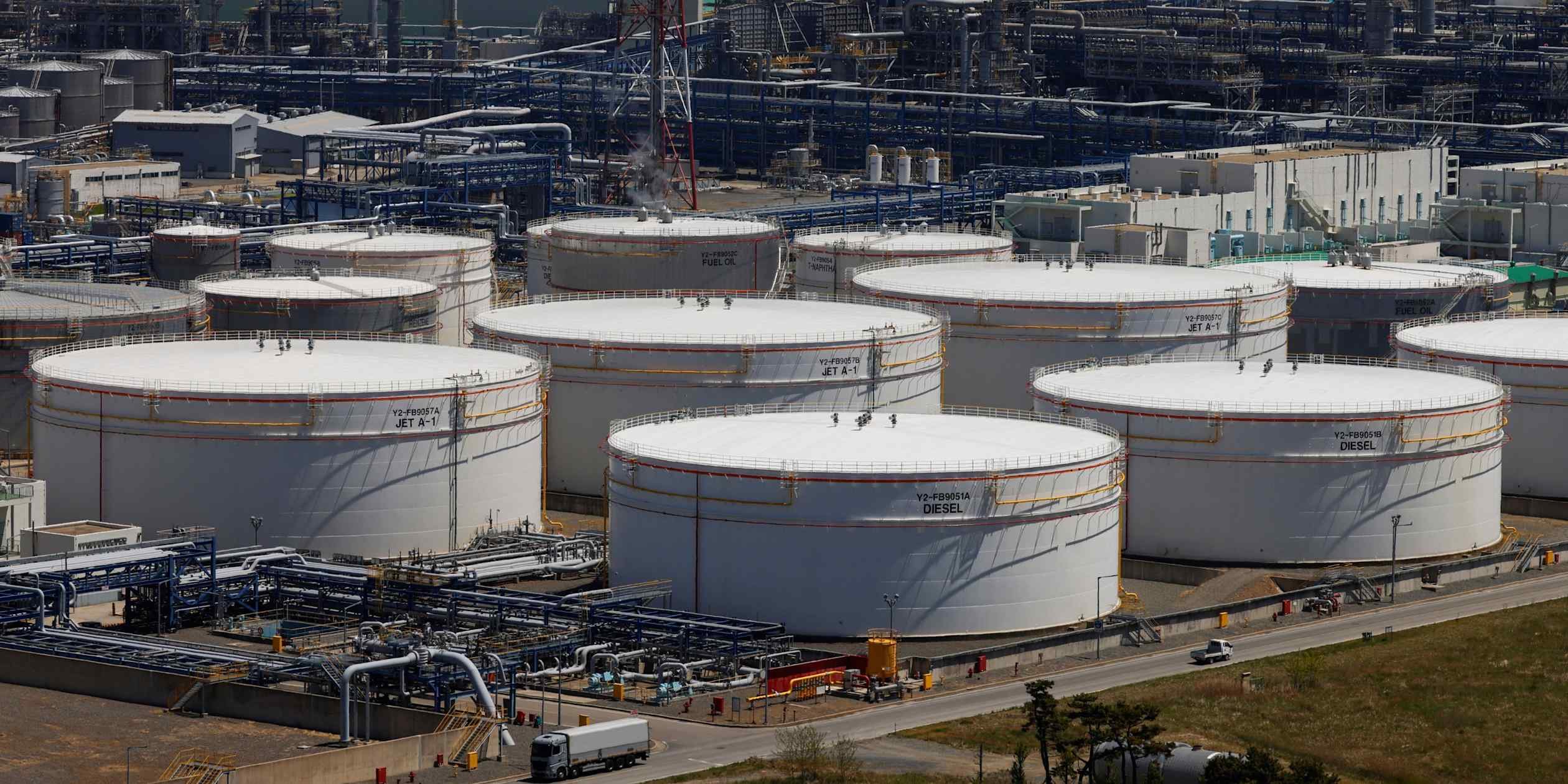
The ongoing closure of the Strait of Hormuz is forcing global crude stocks under the 100‑day threshold, tightening supply and prompting Asian refiners to reassess sourcing and inventory strategies.
Business news
Global crude oil inventories are projected to fall below 100 days of demand in May, according to the latest figures from the International Energy Agency (IEA). The decline follows a sharp contraction in shipments through the Strait of Hormuz after Iran’s forces seized control of the waterway in early May. While diplomatic channels hint at a possible reopening, tanker movements remain limited and the market is still absorbing the shortfall.
The IEA estimates that world oil stocks stood at 93 days of demand at the end of April, down from 108 days in March. In the United States, the Energy Information Administration (EIA) reported a draw of 5.2 million barrels, while Europe’s inventories slipped by 3.8 million barrels. Asian crude holdings, which already sit at the lowest levels since 2020, fell another 4.1 million barrels, reflecting reduced imports from the Middle East.
Market context
The Strait of Hormuz handles roughly 20 percent of global oil trade, moving about 18 million barrels per day. Iran’s blockade, which has stranded more than 160 tankers, effectively cuts a major supply artery for Saudi, Kuwaiti and Iraqi crude. The immediate impact has been a 4.5 percent rise in Brent futures since the blockade began, while the Asian spot price for Dubai crude jumped 5.2 percent.
Supply constraints are compounded by a seasonal drawdown in strategic reserves. The United States has been drawing down its Strategic Petroleum Reserve (SPR) at a rate of 6 million barrels per month, and Japan’s Ministry of Economy, Trade and Industry (METI) confirmed that its emergency oil stockpile is now at 2.3 million barrels, well below the 3‑million‑barrel safety threshold.
In response, Asian refiners are shifting cargoes toward lighter, higher‑value grades from the United States and West Africa. Japan’s top three oil traders—Mitsui, Itochu and Marubeni—have collectively increased their spot purchases of U.S. WTI by 12 percent compared with the same period last year, according to Bloomberg data.
What it means
Tightening margins for refiners – With crude supplies constrained, refiners face higher feedstock costs while demand for refined products in China and India remains robust. Operating margins for Asian refineries are projected to narrow by 0.8 percentage points in the second quarter, according to S&P Global Platts.
Accelerated shift to alternative fuels – The supply shock is prompting several Indian petrochemical firms to accelerate LNG contracts, while South Korean utilities are expanding their floating storage and regasification unit (FSRU) fleet to hedge against future disruptions.
Policy pressure on energy security – Japan’s METI has signaled a review of its oil import diversification strategy, with a focus on securing additional contracts with Brazil and Canada. The United States is also expected to expedite the release of additional SPR volumes to stabilize global markets.
Potential price volatility – Even if the strait reopens, the lag in tanker movements and the depleted inventory buffer suggest that price volatility could persist through the summer. Analysts at Goldman Sachs forecast that Brent could trade between $88 and $96 per barrel for the next three months, a range that reflects both the uncertainty of the blockade’s duration and the limited stock cushion.
Overall, the Hormuz blockade is reshaping the global oil supply chain, forcing market participants to rethink inventory policies and source diversification. The coming weeks will reveal whether diplomatic efforts can restore the flow of oil through the strait or whether the market will have to adapt to a new, tighter supply regime.
Data sources: International Energy Agency, U.S. Energy Information Administration, Bloomberg, S&P Global Platts, Japan METI
Comments
Please log in or register to join the discussion