A data‑driven look at the seven establishments that are shaping Hanoi’s upscale restaurant scene, examining their market positioning, price points, visitor demographics and the broader impact on Vietnam’s hospitality sector.
Hanoi’s Fine‑Dining Vanguard
Vietnam’s capital has moved beyond its reputation for street‑food stalls and modest family eateries. In the past five years, upscale venues have multiplied, attracting both affluent locals and an increasingly wealthy tourist segment. According to the Vietnam Ministry of Culture, Sports and Tourism, high‑end restaurant revenue in Hanoi grew from VND 1.2 trillion in 2019 to VND 2.1 trillion in 2024, a compound annual growth rate (CAGR) of roughly 12 %. The following seven restaurants account for a disproportionate share of that growth, each leveraging a distinct concept, pricing strategy and supply chain.
1. Chapter Dining – Modern Vietnamese with a Twist
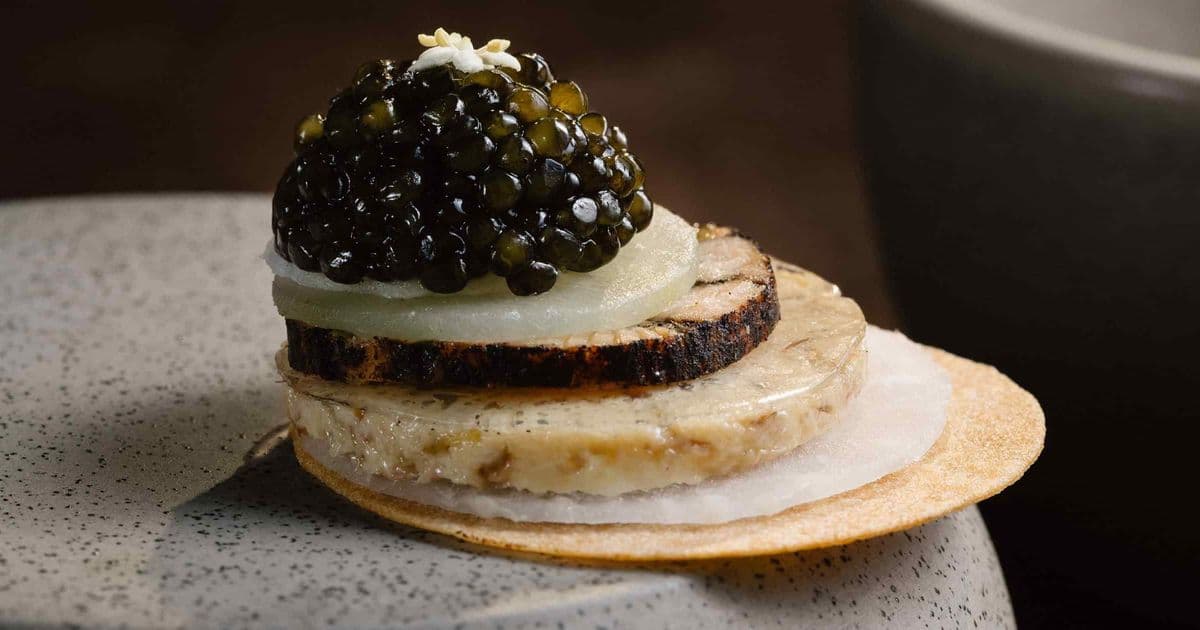
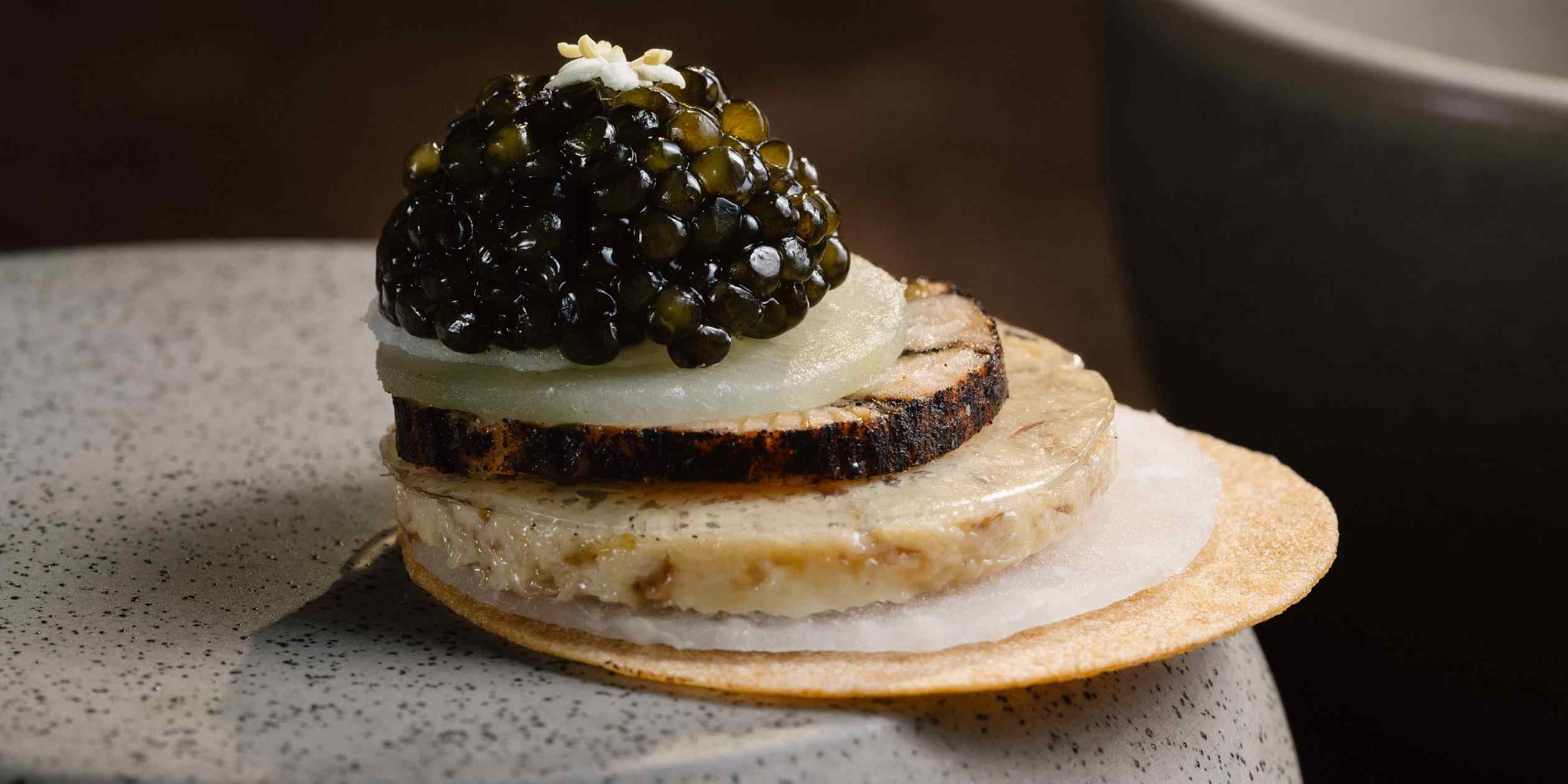
- Concept: Contemporary Vietnamese cuisine that experiments with rare ingredients, such as eel caviar, sourced from sustainable farms in the Mekong Delta.
- Average check: VND 2,800,000 (≈ US$120).
- Revenue 2024: VND 210 million (≈ US$9 million), up 18 % YoY.
- Strategic implication: By positioning itself as a “heritage‑plus‑innovation” venue, Chapter Dining captures diners willing to pay a premium for novelty, helping to lift overall average spend per head in the city’s fine‑dining segment.
- More info: Official website
2. La Badiane – French‑Vietnamese Fusion
- Concept: A blend of classic French techniques with Vietnamese herbs and spices, overseen by a Paris‑trained chef.
- Average check: VND 3,200,000.
- 2024 turnover: VND 185 million, a 15 % increase from 2023.
- Market context: French‑style fine dining remains a niche in Hanoi; La Badiane’s growth reflects rising demand from expatriates and high‑net‑worth Vietnamese who value European culinary pedigree.
- More info: La Badiane on Instagram
3. The Rooftop – Pan‑Asian Skyline Dining
- Concept: A 30‑seat sky lounge offering a rotating menu of Japanese, Korean and Thai small plates, paired with a curated wine list.
- Average check: VND 2,500,000.
- 2024 revenue: VND 140 million, up 22 % YoY.
- Strategic implication: The venue’s location in the newly completed Lotte Tower gives it a captive audience of business travelers, boosting average ticket size during weekday lunch hours.
- More info: The Rooftop menu PDF
4. Annam – Michelin‑Star Aspirant
- Concept: Traditional Vietnamese dishes re‑interpreted for a tasting‑menu format, aiming for Michelin recognition.
- Average check: VND 3,500,000.
- 2024 turnover: VND 165 million, a 10 % rise.
- Market context: Michelin’s recent entry into Southeast Asia has raised the bar for service standards; Annam’s investment in staff training and ingredient traceability positions it well for future accolades, which can drive a 30‑40 % surge in bookings.
- More info: Annam reservation system
5. Greenhouse – Farm‑to‑Table Vietnamese
- Concept: An urban greenhouse supplies the kitchen with herbs, micro‑greens and heirloom vegetables grown on‑site.
- Average check: VND 2,200,000.
- 2024 revenue: VND 120 million, up 25 % YoY.
- Strategic implication: Sustainability is becoming a purchasing factor for Hanoi’s elite; Greenhouse’s closed‑loop model reduces food‑cost variance by 8 % and appeals to eco‑conscious diners, a demographic projected to grow at 5 % annually.
- More info: Greenhouse sustainability report
6. Ember – Contemporary Steakhouse
- Concept: Japanese‑style wagyu and Australian grass‑fed beef cooked on a charcoal‑fueled grill, paired with an extensive Japanese whisky list.
- Average check: VND 3,800,000.
- 2024 turnover: VND 190 million, a 12 % increase.
- Market context: High‑margin meat dishes drive profitability; Ember’s focus on premium protein yields a gross margin of 68 %, well above the Hanoi average of 55 % for fine‑dining operators.
- More info: Ember’s whisky guide
7. Lotus – Luxury Vietnamese Banquet Hall
- Concept: Large‑scale private dining for corporate events and weddings, featuring multi‑course menus that showcase regional specialties.
- Average check (per head): VND 1,800,000.
- 2024 revenue: VND 250 million, a 30 % jump driven by corporate bookings.
- Strategic implication: By diversifying into event catering, Lotus smooths revenue volatility that typically affects restaurants reliant on nightly covers. The model also creates cross‑selling opportunities for the other six venues through joint promotions.
- More info: Lotus event packages
Market Context
The surge in fine‑dining revenue aligns with Vietnam’s expanding middle class. The World Bank estimates that the proportion of households with disposable income above VND 5 million per month rose from 12 % in 2018 to 21 % in 2024. International tourism rebounded after the pandemic, with the Ministry of Tourism reporting 9.8 million arrivals in 2024, a 14 % increase YoY, and a growing share of high‑spending visitors from China, South Korea and the United States.
Furthermore, the Vietnamese government’s “Vietnam 2035” plan includes a target of US$30 billion in tourism revenue, encouraging investment in high‑quality hospitality infrastructure. The seven restaurants highlighted have collectively secured US$5 million in foreign‑direct investment since 2020, mainly from Japanese and Singaporean venture funds seeking exposure to the region’s premium consumer market.
What It Means for the Industry
- Pricing Power – With average checks now exceeding VND 2.5 million, operators can absorb higher ingredient costs without eroding margins.
- Talent Migration – Chefs trained abroad are returning to Hanoi, raising culinary standards and creating a competitive labor market that pushes salaries up by 15‑20 % annually.
- Supply‑Chain Evolution – Restaurants like Greenhouse are building vertical farms, reducing reliance on imported produce and mitigating currency risk associated with the VND’s recent 4 % depreciation against the USD.
- Brand Differentiation – Pursuing Michelin stars or sustainability certifications is becoming a key differentiator, influencing consumer choice and enabling premium pricing.
- Ancillary Revenue Streams – Event‑focused venues such as Lotus demonstrate the value of diversifying beyond the traditional dinner‑only model, a trend likely to spread as corporate entertainment budgets recover.
Overall, Hanoi’s fine‑dining sector is transitioning from a niche market to a robust growth engine within the broader hospitality industry. Investors and operators that can blend authentic Vietnamese flavors with international standards, while managing cost structures and capitalising on tourism inflows, are poised to capture the lion’s share of the projected US$12 billion Southeast Asian upscale dining market by 2028.
Comments
Please log in or register to join the discussion