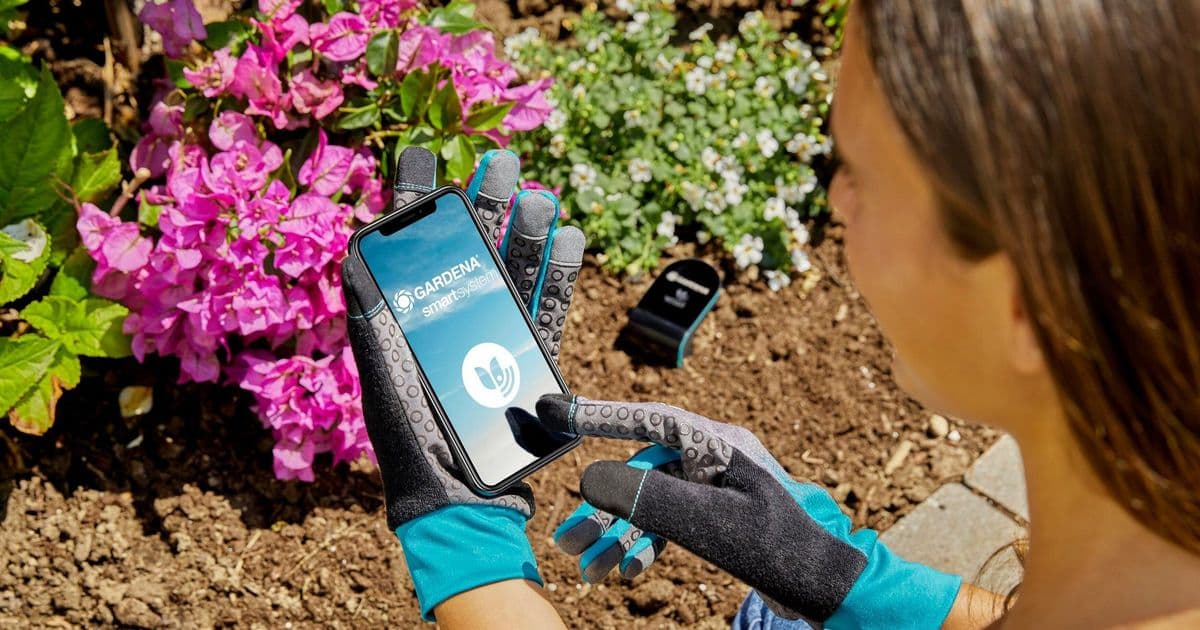
A three‑tier look at garden watering tech, from cheap timer‑only units to fully autonomous controllers that read weather, soil moisture and flow‑meter data, with pricing and feature comparisons.
What the market calls “smart” today
If you type intelligent irrigation into a search engine you’ll see a flood of products, most of which are little more than programmable timers. The cheapest example is the Insoma Automatic Water Timer sold on Aliexpress for around $20. It lets you set a start time, duration and frequency, offers a manual‑run button and can pause when it detects rain. All settings are entered via the device’s tiny LCD and push‑buttons; there is no cloud service, no weather integration and no soil‑moisture feedback. In practice this means the controller will keep watering on the same schedule even if a cold front brings weeks of rain, leading to wasted water, higher utility bills and unnecessary stress on the garden ecosystem.
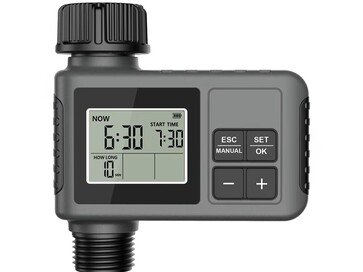
The unit is functional for a small front‑yard or a single drip line, but it belongs to Level 1 – “smart” only in name.
Level 2 – Controllers that talk to your phone
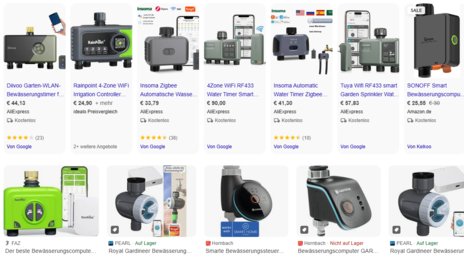
The next step up adds a wireless module (Wi‑Fi, Bluetooth or ZigBee) and a companion app. Popular models from brands like Rachio, Orbit B-hyve or the Eve Aqua fall into this category. Their core capabilities remain the same schedule‑based watering, but you can change start times, durations or skip a cycle from anywhere with a smartphone. This is handy when you’re on vacation and notice a forecast calling for a sudden heatwave; a few taps in the app let you increase the watering volume without crawling out to the device.
The convenience comes at a price: most Level 2 units sit between $80 and $150, and you need a reliable home Wi‑Fi network. The apps are generally well designed, but they still require you to interpret the weather forecast and decide when to adjust the schedule. In other words, the controller remains a remote‑controlled timer, not an autonomous system.
Level 3 – Truly autonomous irrigation
True “intelligence” appears when a controller consumes external data sources and runs its own algorithm. Three data streams are typical:
- Weather forecasts – pulled from services such as Dark Sky, OpenWeather or local meteorological APIs. The controller can predict rainfall, temperature and evapotranspiration for the next 24‑48 hours.
- Soil‑moisture sensors – inexpensive capacitive probes (e.g., from Ecowitt or Decagon) placed at root depth feed real‑time moisture percentages back to the hub.
- Flow‑meter readings – a built‑in sensor that measures water volume and detects anomalies such as a burst hose or a stalled pump.
When these inputs are combined, the controller can decide whether to water, how much, and for how long without any user interaction. Two representative products illustrate the range:
| Device | Key Features | Approx. Price |
|---|---|---|
| OpenSprinkler (open‑source, DIY) | Web UI, weather API integration, optional soil‑moisture modules, supports up to 16 stations | $120 kit (controller only) |
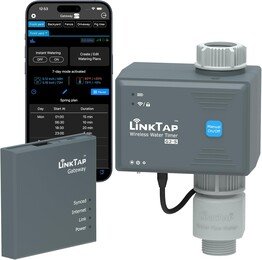
| LinkTap G2S | Wi‑Fi, built‑in flow‑meter, automatic leak detection, cloud‑based weather integration, supports valve‑level control | $250‑$300 |
The LinkTap G2S stands out because its flow‑meter can shut the valve the instant a hose bursts, sending a push notification to your phone. This protects the garden from flooding and saves water automatically – a feature you won’t find on Level 2 devices.
How the levels compare
| Aspect | Level 1 (Timer‑only) | Level 2 (App‑controlled) | Level 3 (Autonomous) |
|---|---|---|---|
| Cost | $20‑$30 | $80‑$150 | $120‑$300 |
| Installation | Plug‑and‑play, no network | Requires Wi‑Fi/Bluetooth hub | May need additional sensors, wiring |
| Weather awareness | None (manual rain‑pause) | Manual schedule tweaks via app | Automatic forecast‑based adjustments |
| Soil feedback | None | None | Real‑time moisture data drives watering decisions |
| Leak protection | None | None | Flow‑meter detects leaks, stops water |
| Smart‑home integration | Rare | Often works with Alexa/Google Home | Usually offers API or IFTTT for deeper integration |
Who should buy which level?
- Budget gardeners who only need a simple timer for a single zone will find the Insoma unit perfectly adequate. It’s cheap, battery‑powered and easy to set up, but you must remember to adjust it seasonally.
- Home‑automation enthusiasts who already run a smart‑home hub and want to control watering from their phone should aim for a Level 2 controller. The convenience of remote tweaks justifies the higher price, especially for medium‑size lawns or multiple zones.
- Large‑scale or water‑conscious users – such as owners of vegetable patches, orchards, or properties with strict water‑use regulations – will benefit most from Level 3. The ability to react to real‑time weather and soil conditions can cut water usage by 20‑30 % compared with a fixed schedule, according to several field tests published by the manufacturers.
Bottom line
The term “smart irrigation” covers a broad spectrum. A $20 timer is technically “smart” because it can be programmed, but it lacks any real autonomy. Mid‑range Wi‑Fi models give you remote control but still rely on manual judgment. Only the high‑end controllers that fuse weather forecasts, soil moisture and flow‑meter data can truly claim to irrigate intelligently, protecting both your plants and the planet.
For most casual gardeners, a Level 2 device offers a good balance of convenience and cost. For anyone serious about water efficiency or managing multiple zones, investing in a Level 3 system like OpenSprinkler or LinkTap G2S pays off in reduced bills and fewer garden mishaps.
Sources: official product pages for OpenSprinkler, LinkTap G2S, and Aliexpress listing for the Insoma timer.
Comments
Please log in or register to join the discussion