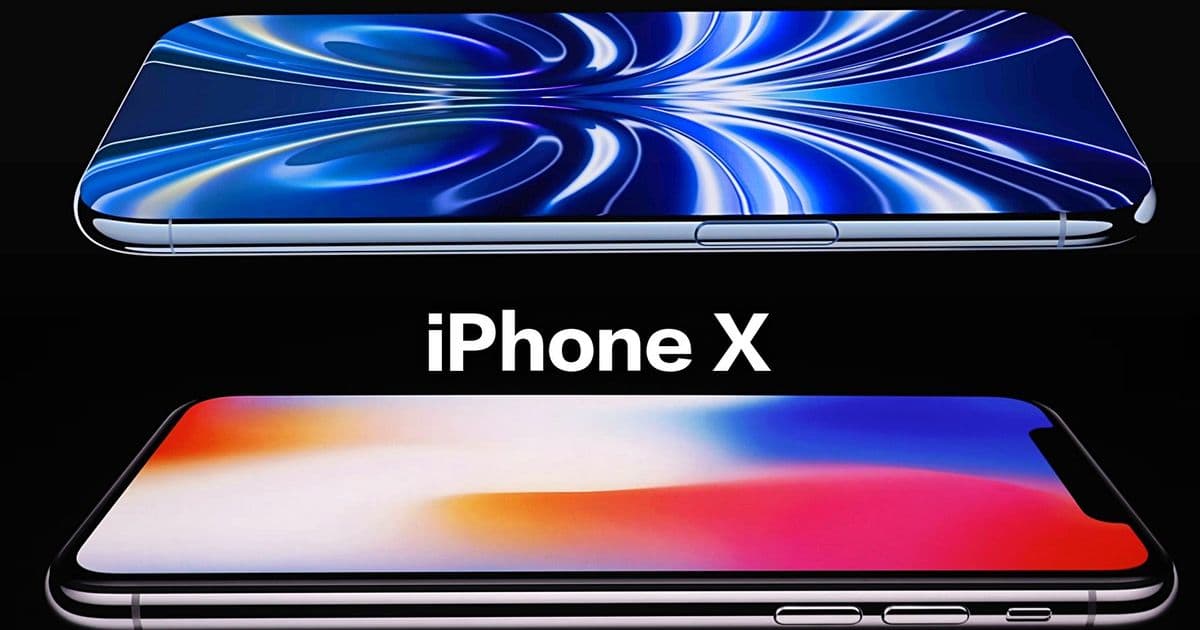
Fresh leaks and renders suggest Apple's 2027 flagship will mark a significant departure from current iPhone designs, featuring a curved display, under-display Face ID technology, and capacitive buttons. The alleged iPhone XX/20, potentially celebrating the 20th anniversary of the original iPhone X, could introduce a new design language that prioritizes screen real estate while maintaining Apple's signature aesthetic.
As we approach the 20th anniversary of the phone that redefined the smartphone industry, anticipation is mounting regarding Apple's next major design overhaul. While the name remains a mystery, with "iPhone XX/20" being a highly anticipated nod to the 2017 iPhone X, fresh reports have shed light on what to expect from the 2027 flagship.
What's New: A Design Revolution
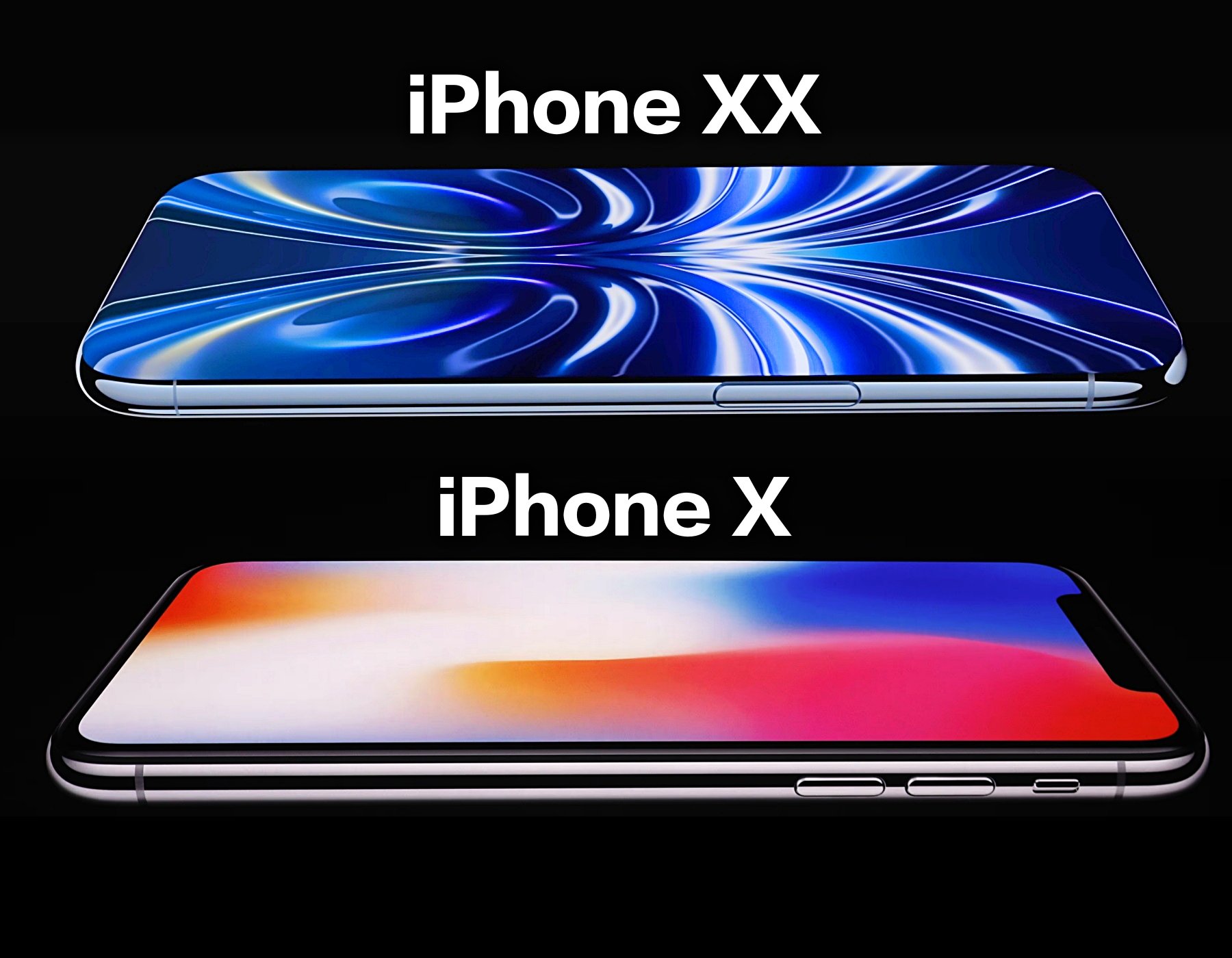
Industry insiders are aligning on the belief that Apple is preparing a significant visual departure from its current iPhone 17 Pro design. Alleged iPhone 20 renders based on prototypes suggest a dramatic shift toward a heavily rounded chassis combined with a "quad-curved" display panel. This curved glass approach would represent Apple's most ambitious display design since introducing the edge-to-edge screen with iPhone X.
Reports originating from the Apple supply chain indicate that Cupertino is currently evaluating advanced Samsung panels to facilitate this distinctive curved look. While a completely uninterrupted screen may still be a reach for 2027, internal testing reportedly involves moving Face ID hardware entirely beneath the display panel. This advancement could potentially reduce the notch or "Dynamic Island" to a solitary hole-punch for the front-facing camera, maximizing screen real estate.
Apple is said to be exploring "CoE" (Color filter on Encapsulation) technology, which promises a significantly thinner display assembly. This technological shift requires a new anti-reflective coating to maintain visual quality while reducing the overall thickness of the display module. Such innovation would align with Apple's ongoing efforts to reduce device bezels while improving display quality.
Perhaps one of the most significant rumored changes involves the transition to capacitive, solid-state buttons. This potential move away from traditional physical switches would mark a substantial change in iPhone's tactile experience. Solid-state buttons, similar to those found on the latest MacBook models, could offer haptic feedback while improving water resistance and reducing potential points of failure.
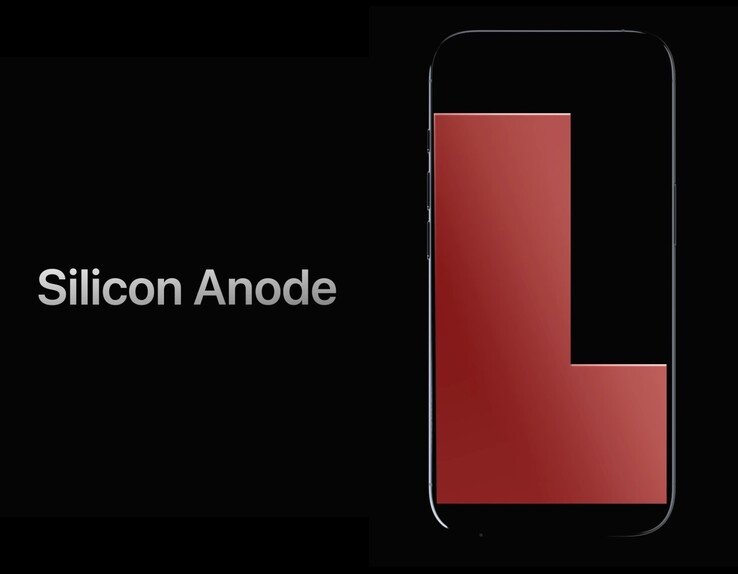
Battery technology also appears to be receiving attention, with the iPhone XX/20 expected to utilize a new Silicon Anode battery. This advancement promises larger capacity without increasing the physical size of the battery, addressing one of the persistent challenges in smartphone design. The implementation of silicon anodes could represent a significant leap forward in energy density for Apple's mobile devices.
How It Compares: Market Context and Evolution
The alleged iPhone XX/20 design represents a more aggressive departure from current iPhones than the iPhone X was from iPhone 8. While the iPhone X introduced edge-to-edge display and Face ID, maintaining familiar dimensions and general form factor, the XX/20 appears to reimagine the iPhone's physical structure with curved edges and a potentially different aspect ratio.
Compared to Samsung's Galaxy S series and foldable devices, Apple's approach to curved displays has traditionally been more conservative. The rumored quad-curved display would position Apple closer to Samsung's design philosophy while maintaining Apple's signature aesthetic. However, Apple's implementation of under-display Face ID technology could surpass current competitors by eliminating the need for a visible camera array entirely.
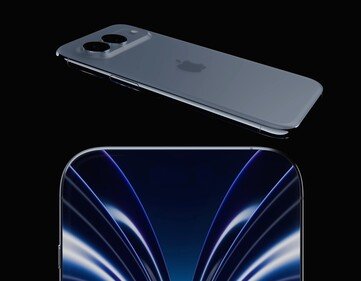
The potential dual-camera setup raises interesting questions about Apple's camera strategy. Unlike current Pro models with triple-camera systems, the XX/20 might feature a simplified camera array. This could position the device as more of a design-focused flagship rather than a photography powerhouse, potentially creating a new product category between standard iPhone models and Pro models.

Camera technology is also seeing innovation with the rumored LOFIC sensor (Low Full-well Capacity sensor), similar to technology found in the Xiaomi 17 Ultra. This advancement promises improved HDR performance and dynamic range, addressing a key area where Android competitors have occasionally outperformed iPhone cameras in challenging lighting conditions.
Who It's For: Market Positioning and Target Audience
The iPhone XX/20 appears designed for consumers who prioritize cutting-edge design and forward-thinking technology over raw specifications. This device would likely appeal to early adopters, design enthusiasts, and those who appreciate Apple's willingness to experiment with form factors.
If the dual-camera prototype materializes, Apple might position the XX/20 as a "special edition" device similar to the iPhone Air concept. This would create a distinct product tier between standard iPhones and Pro models, potentially targeting users who want premium design without the bulk of Pro camera systems. The rumored camera limitations could be offset by emphasizing display quality, build materials, and innovative features like under-display Face ID.
The timing of this release coincides with Apple's rumored foldable iPhone Ultra, suggesting a strategic diversification of Apple's flagship lineup. While the foldable device would target the premium market segment, the XX/20 could serve as the design-forward standard bearer for Apple's non-foldable flagship lineup.
As with all leaks and rumors, these details should be approached with caution. The iPhone 18 Pro is expected to launch in September 2026, followed by the foldable iPhone Ultra. The XX/20, with its 2027 release date, still has over a year of development ahead, meaning much of this design could evolve before reaching production.
For the latest updates on Apple's product development, interested readers can monitor reputable tech news sources and official Apple announcements as the release date approaches.
Comments
Please log in or register to join the discussion