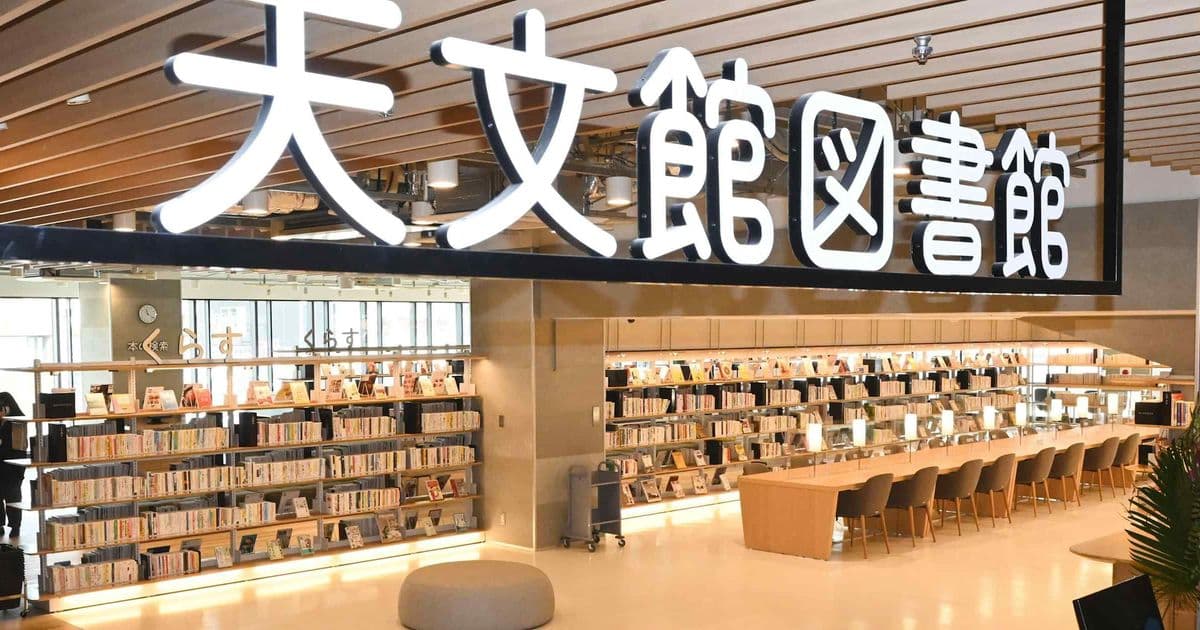
Despite declining reading habits, Japan's public library system has grown by 30% over two decades, transforming from traditional book repositories into multifunctional community spaces that drive social cohesion and neighborhood revitalization.
Japan's public library system presents an intriguing paradox in an era of declining book readership. While national surveys indicate that Japanese citizens are reading fewer books than in previous decades, the country has seen a remarkable 30% increase in public library facilities over the past two decades. This expansion reflects a strategic evolution in how libraries position themselves within communities, shifting from traditional book repositories to multifunctional community hubs that address broader social needs.
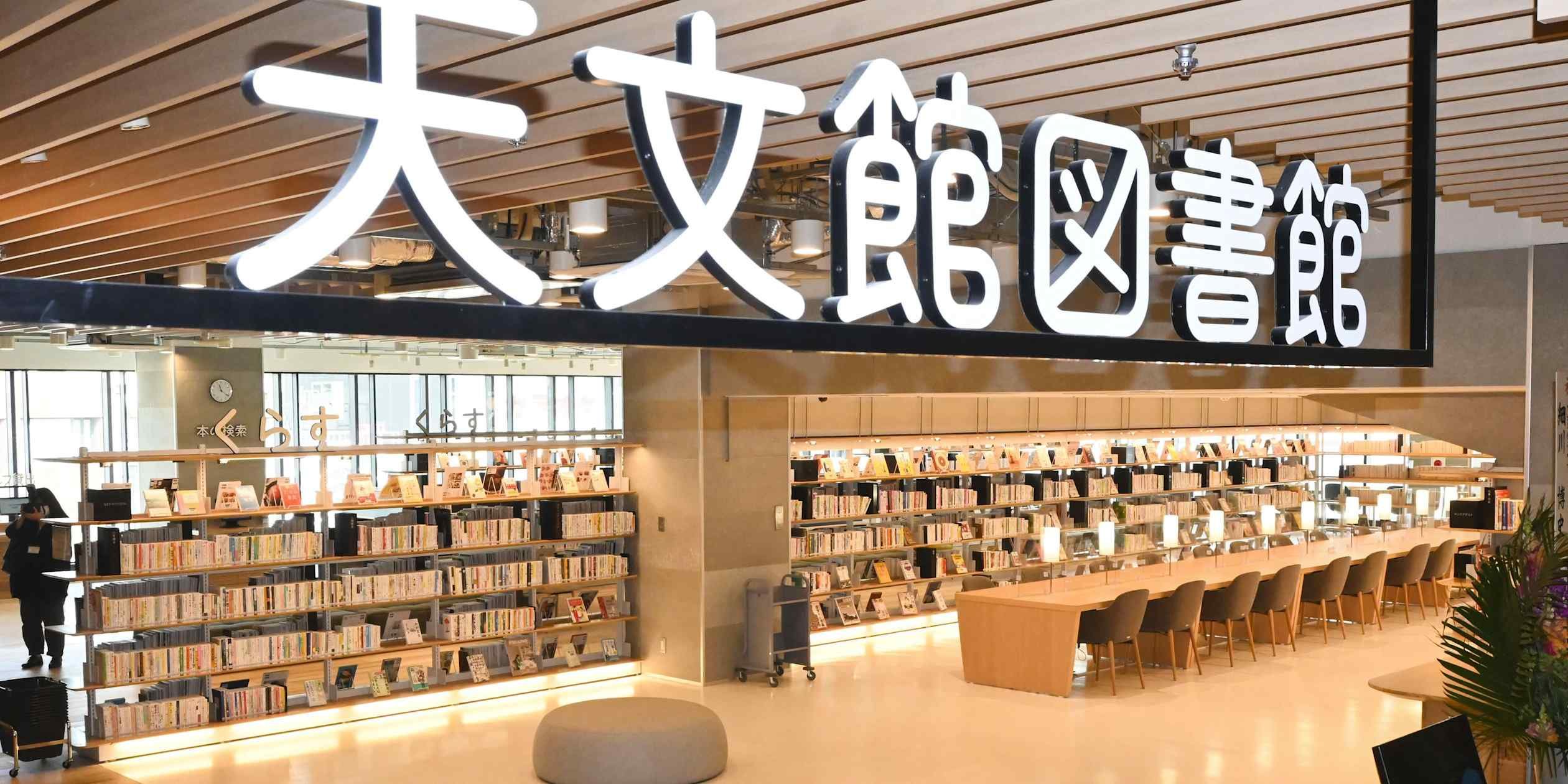
The transformation is evident in facilities like the Tenmonkan Library in Kagoshima, which opened in 2022 and now attracts approximately 700,000 visitors annually. This high traffic volume in a business and shopping district demonstrates how modern libraries have become integrated into the fabric of daily life, serving purposes that extend far beyond book lending.
Market Context: Library Infrastructure and Usage Patterns
Japan's library infrastructure growth contrasts with global trends where many countries face library closures due to budget constraints and changing media consumption patterns. According to data from the Ministry of Education, Culture, Sports, Science and Technology, Japan operated 3,296 public libraries as of 2023, up from 2,534 in 2003. This expansion has occurred despite a 15% decline in book readership over the same period, according to the Japan Publishing Association.
The strategic implications of this expansion are significant. Libraries have reinvented themselves as essential community infrastructure that addresses multiple social challenges simultaneously. They serve as digital access points for citizens without home internet, provide safe spaces for children after school, offer resources for lifelong learning, and function as community gathering spaces that combat social isolation.
Strategic Evolution: From Collections to Community Engagement
The modern Japanese library represents a sophisticated understanding of community needs. Library administrators have developed programming that addresses specific local challenges while maintaining core services. Digital resource provision has expanded dramatically, with libraries offering e-books, online databases, and computer access. Many facilities now include maker spaces, co-working areas, and community meeting rooms.
This evolution reflects a broader recognition that community spaces serve as critical infrastructure for social cohesion. In an aging society with declining birth rates, libraries have positioned themselves as neutral, accessible venues that bridge generational gaps and provide services for diverse demographic groups.
Economic and Social Impact
The economic impact of library expansion extends beyond construction and operation. Libraries contribute to neighborhood revitalization, often becoming anchors in commercial districts. The Tenmonkan Library's location in a business district demonstrates how libraries can drive foot traffic and support local businesses. Additionally, libraries provide resources that support entrepreneurship and small business development, offering access to business databases, legal resources, and meeting spaces.
Socially, libraries address critical challenges in Japanese society. They provide safe spaces for children in communities with limited childcare options. They offer resources for seniors seeking to remain engaged and connected. They serve as integration points for immigrants and foreign residents, providing language learning materials and cultural exchange opportunities.
The Future of Japanese Libraries
Looking forward, Japanese libraries continue to evolve in response to changing social needs. Several trends are emerging:
Integration with local government services: Many libraries are becoming one-stop centers for municipal services, simplifying access for citizens.
Specialization: Libraries are developing unique identities based on local needs, with some focusing on digital literacy, others on traditional arts, and others on supporting specific demographic groups.
Partnerships: Libraries increasingly collaborate with schools, businesses, and non-profits to expand their service offerings and resource efficiency.
Technology integration: While maintaining physical spaces, libraries are expanding their digital presence and virtual service offerings.
The Japanese model of library development offers valuable insights for other countries facing similar challenges of declining print media consumption and changing community needs. By focusing on adaptability, community integration, and addressing multiple social functions simultaneously, libraries have secured their relevance and expanded their impact.
This strategic approach to community infrastructure development demonstrates how public institutions can evolve to maintain relevance while addressing complex social challenges. The Japanese experience suggests that libraries of the future will be defined not by their collections, but by their ability to serve as dynamic community hubs that respond to changing needs.
Comments
Please log in or register to join the discussion