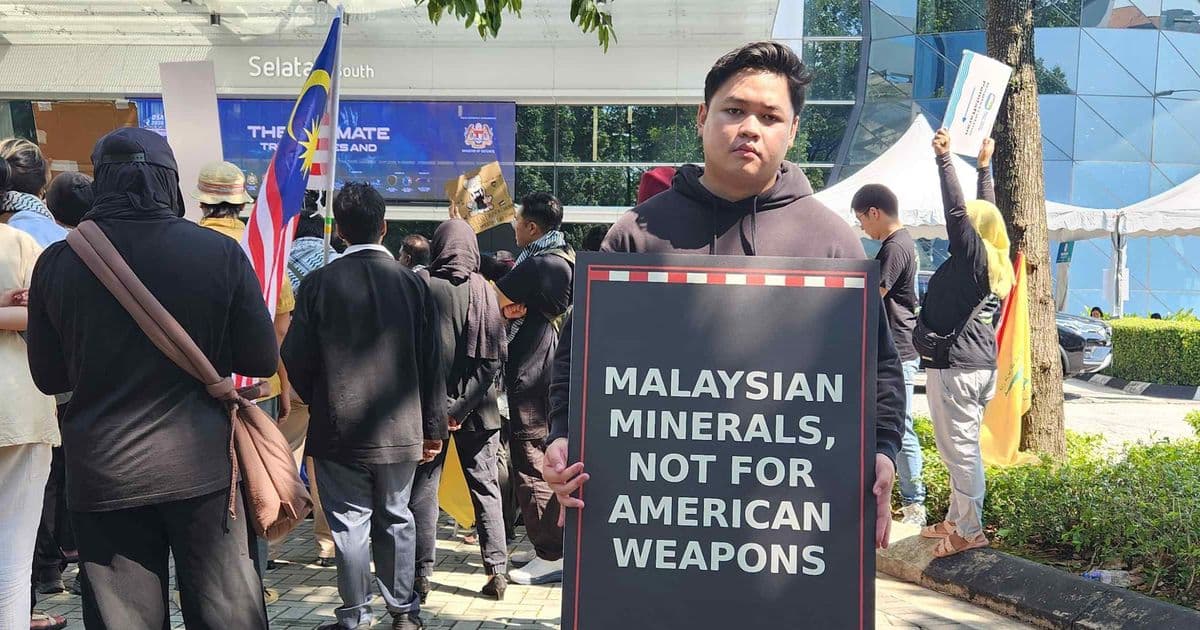
Australian miner Lynas’ supply agreement with the U.S. Department of Defense has ignited public opposition in Malaysia, raising questions about the country’s role in the emerging non‑China rare‑earth supply chain and its geopolitical implications.
Business news
Australian rare‑earth producer Lynas Corporation announced a multi‑year supply contract with the U.S. Department of Defense (DoD) in March 2026. Under the agreement, Lynas will ship processed rare‑earth oxides from its Bukit Merah processing plant in Pahang, Malaysia to U.S. defense manufacturers. The deal, valued at roughly US$150 million per year, is part of Washington’s broader effort to diversify critical mineral sources away from China.
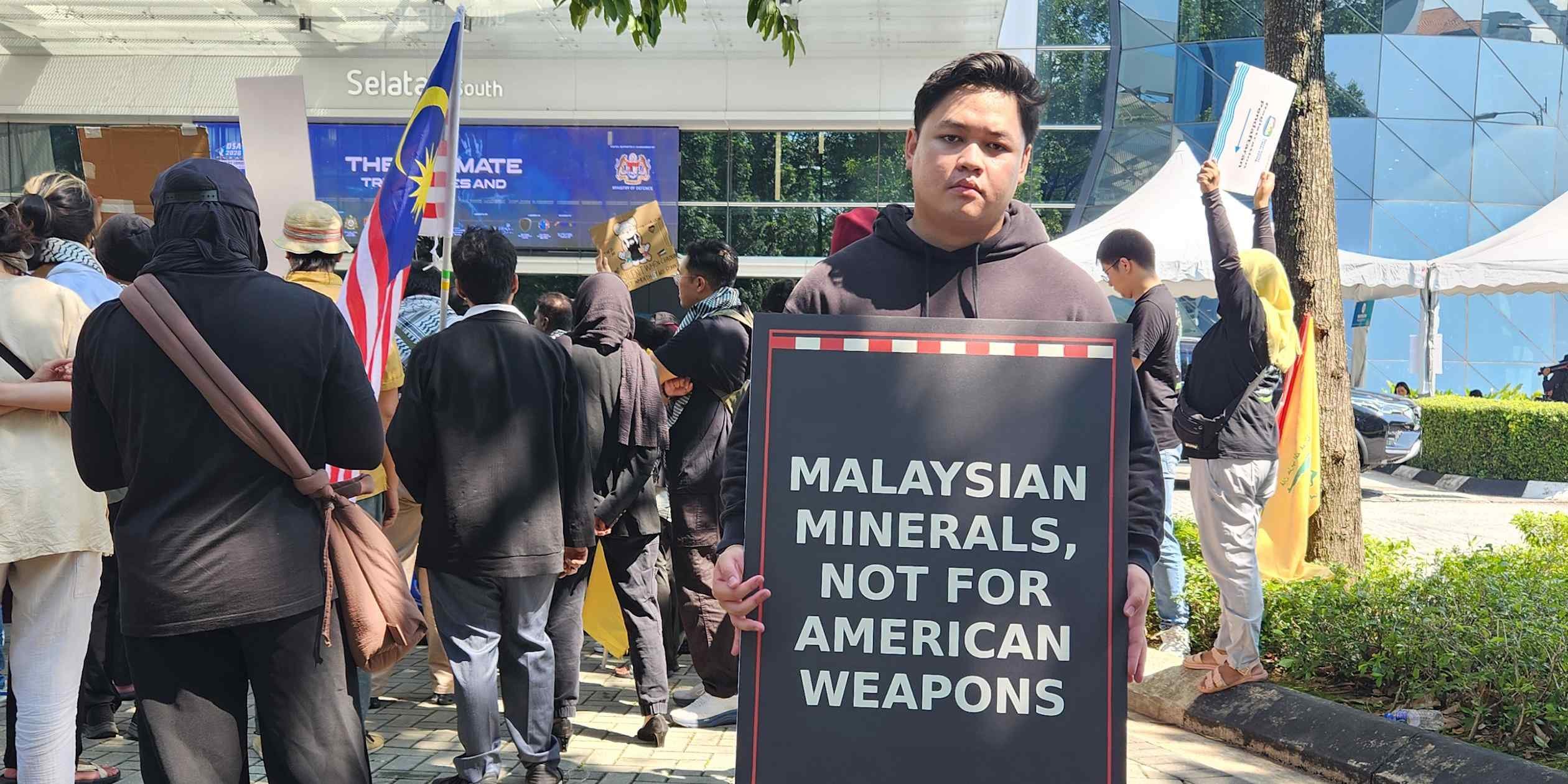
The announcement triggered a wave of criticism from Malaysian civil‑society groups, most notably youth activist Alexander Ong of the UNDI18 coalition. Protesters argue that the partnership effectively turns Malaysia into a forward base for U.S. military hardware, a stance that clashes with the country’s traditionally non‑aligned foreign‑policy posture.
Market context
The rare‑earth market has been dominated by China, which supplied approximately 80 % of global production in 2025. Following a series of export curbs and price spikes in 2024‑25, the United States launched the Defense Production Act‑backed Critical Minerals Initiative, earmarking US$2 billion for domestic processing capacity and foreign partnerships.
Lynas, which operates the Mount Weld mine in Western Australia and the Bukit Merah plant, is the only non‑Chinese company with a fully integrated rare‑earth value chain. In 2025 the firm reported AU$1.2 billion in revenue, with 45 % generated from processed oxides sold to Asian electronics manufacturers. The Pentagon contract now adds a new customer segment that could lift Lynas’ total contract‑backlog to AU$3.5 billion by 2028.
Malaysia’s role is strategic: the Bukit Merah facility processes about 30 % of Lynas’ annual output, roughly 150 tonnes of mixed rare‑earth oxides. The plant’s location offers lower labor costs (average RM3,200 per month) and proximity to major shipping lanes, making it an attractive hub for Western buyers.
What it means
Supply‑chain diversification – The Pentagon deal demonstrates that the U.S. is willing to source critical minerals from third‑party processors even if the final product is shipped from a country without a formal defense pact. This could accelerate similar agreements with other non‑Chinese processors, such as MP Materials in the United States and China Rare Earth Holdings’ joint venture in Vietnam.
Geopolitical risk for Lynas – Public opposition in Malaysia may translate into tighter regulatory scrutiny. The Malaysian Ministry of International Trade and Industry has indicated it will review the contract’s compliance with the Strategic Trade Act 2010. Any delay in permitting could push Lynas to shift more processing to its Australian facilities, increasing operating costs by an estimated 12‑15 %.
Impact on Malaysian policy – The controversy could force Kuala Lumpur to clarify its stance on foreign defense‑related investments. If the government adopts a stricter screening process, other foreign‑direct‑investment projects in sectors like aerospace and advanced electronics may face higher compliance hurdles.
Investor reaction – Lynas’ share price rose 3.4 % on the news, reflecting optimism about a stable, high‑margin defense customer. However, analysts at Morgan Stanley downgraded the stock to “underweight” citing “potential reputational risk in Southeast Asia” and a “possible increase in compliance costs.”
Long‑term market signal – The deal underscores a shift from a China‑centric rare‑earth supply model to a multi‑node network involving Australia, the United States, and emerging processing hubs in Southeast Asia. Companies that can navigate the political sensitivities of each node will likely capture the premium pricing associated with defense‑grade materials.
Bottom line: Lynas’ Pentagon contract marks a pivotal moment in the global rare‑earth supply chain, but the backlash in Malaysia highlights the delicate balance between commercial opportunity and geopolitical perception. Stakeholders will be watching how Kuala Lumpur’s regulatory response shapes the viability of Malaysia as a strategic processing hub for non‑Chinese critical minerals.
Comments
Please log in or register to join the discussion