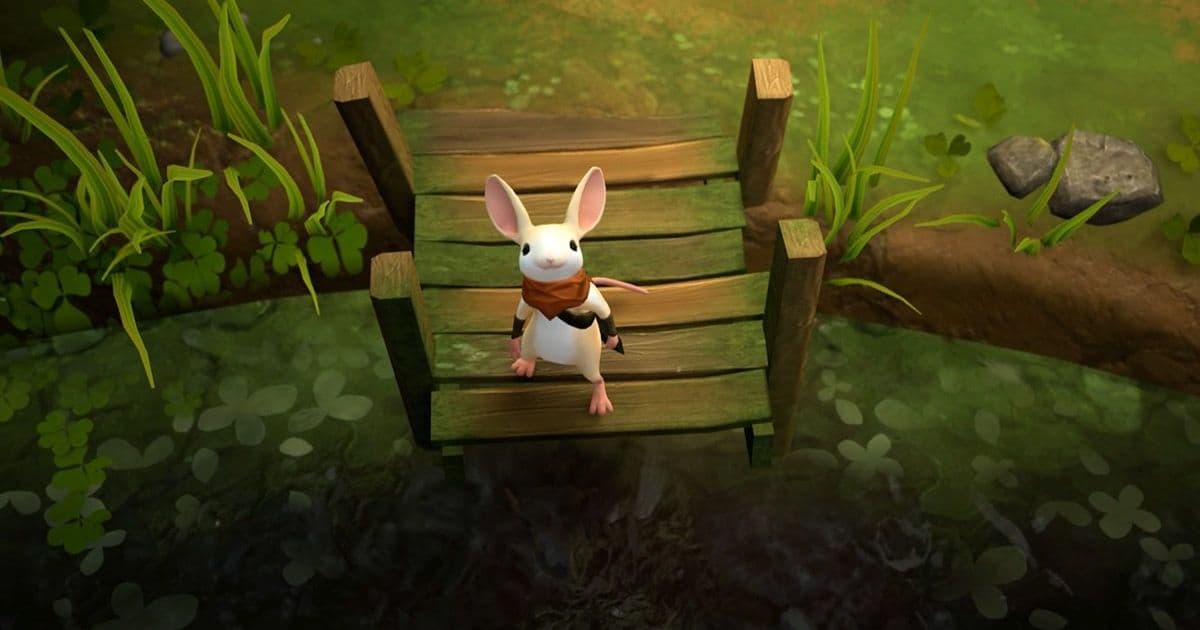
Polyarc is reworking its beloved VR adventure Moss into a flat‑screen title called Moss: The Forgotten Relic. The definitive edition bundles the original game, Book II and the Twilight Garden DLC, adds a new camera system, upgraded visuals and an optional skip‑combat mode, and lands on Steam, PS5, Xbox Series X|S, Xbox One and both Switch models this summer.
What’s new
Polyarc has confirmed that Moss: The Forgotten Relic will arrive on flat‑screen platforms this summer. The package is not a simple port; the studio calls it a full reimagining of the original VR experience. All three narrative pieces – the original Moss, Moss: Book II and the Twilight Garden DLC – are merged into a single, definitive adventure. The bundle ships with the DLC at no extra charge and introduces a handful of quality‑of‑life upgrades designed for mouse‑and‑keyboard or controller play.
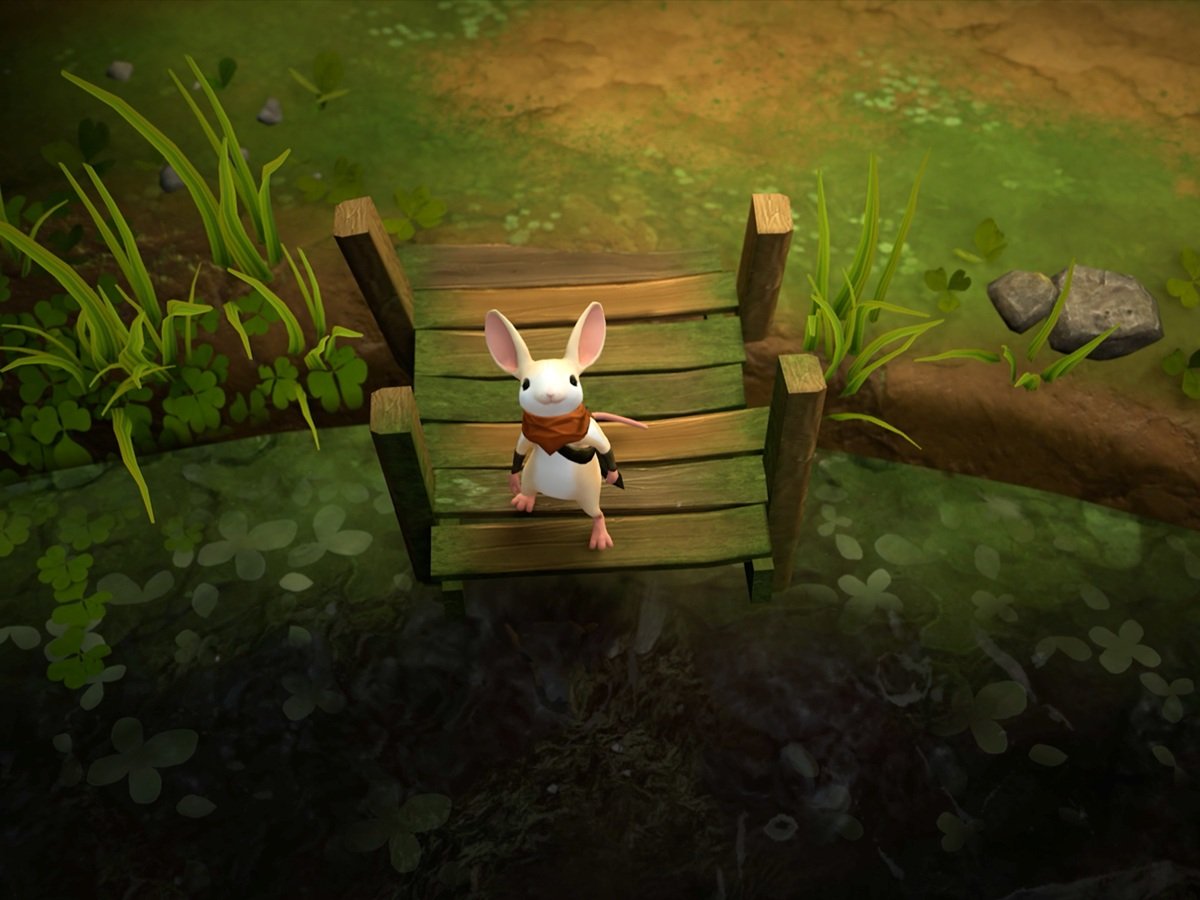
Key new features include:
- Enhanced visuals – higher‑resolution textures, refined lighting and a rebuilt rendering pipeline that targets 60 fps on modern consoles and up to 144 fps on high‑end PCs.
- Smart follow camera – a camera that automatically frames Quill’s actions while preserving the story‑book aesthetic, replacing the headset‑driven perspective used in VR.
- Skip‑combat accessibility – a toggle that lets players bypass all combat encounters, focusing the experience on puzzles and exploration.
- Hand‑crafted cutscenes – new animated sequences that replace the original in‑game VR moments, giving the narrative a more cinematic flow.
- Full orchestral score – composer Jason Graves returns to provide an updated soundtrack that takes advantage of higher‑quality audio pipelines on consoles and PC.
How it compares to the original VR titles
| Feature | Original VR (2018‑2022) | Forgotten Relic (2024‑2025) |
|---|---|---|
| Platform | HTC Vive, Oculus Rift, PlayStation VR, Valve Index | Steam (Windows), PS5, Xbox Series X |
| Control scheme | Motion‑tracked controllers, headset orientation | Standard gamepad, mouse‑and‑keyboard, optional controller support |
| Camera | Player‑head‑tracked view inside the storybook | Smart follow camera that tracks Quill from a fixed angle |
| Visual fidelity | Rendered at ~90 fps, limited by headset hardware | Up to 4K/144 fps on PC, 4K/60 fps on consoles |
| DLC inclusion | Separate purchase (Twilight Garden) | Integrated at launch, no extra cost |
| Accessibility | Basic comfort settings, limited combat options | Skip‑combat toggle, adjustable UI scaling, color‑blind mode |
The biggest shift is the removal of the headset as a core gameplay element. In VR, players physically lean into the storybook, reaching out with a controller to manipulate objects as the “Reader.” Polyarc has translated that dual‑role mechanic into a Twofold system that works with a conventional controller: the left stick moves Quill, while the right stick (or mouse) lets the player act as the Reader, pulling levers, moving crates and pulling strings from a distance. The new camera keeps both perspectives visible, preserving the feeling of being both inside the world and outside as its caretaker.
Performance-wise, the flat‑screen version benefits from the raw horsepower of modern GPUs. On a RTX 4080‑class system, the game runs at native 4K with 144 fps, while a mid‑range RTX 3060 still delivers a steady 1080p/60 fps experience. Console benchmarks show the PS5 and Xbox Series X hitting 4K/60 fps with minor texture pop‑in, whereas the Xbox Series S and Switch models target 1080p/30‑40 fps, scaling down some effects to maintain fluidity.
Who should consider buying it
- VR newcomers – Players who have never owned a headset now have a low‑cost entry point to the series. The skip‑combat mode removes the steep learning curve of VR combat, making the story accessible to a broader audience.
- Fans of narrative platformers – If you enjoyed titles like Ori and the Blind Forest or A Plague Tale: Innocence, the reworked camera and puzzle‑heavy design will feel familiar, while the unique Reader mechanic adds a fresh twist.
- Owners of older consoles – The inclusion of Xbox One and the original Switch means you don’t need the latest hardware to experience the game, though you’ll get a visual boost on newer machines.
- Accessibility‑focused gamers – The new UI scaling, color‑blind palettes and combat‑skip option make the title one of the more inclusive releases on the current console generation.
- VR veterans – If you already own the VR versions, the definitive edition still offers value: higher‑resolution assets, new cutscenes and the convenience of playing on a TV without swapping headsets.
Pricing and release window
Polyarc has not announced an exact launch date or price point, but the announcement positions the game for a summer 2025 window. Based on previous Polyarc pricing, a reasonable estimate would be $39.99 USD for the base edition, with no separate DLC cost. Expect regional pricing to follow typical console and Steam tiers.
Bottom line
Moss: The Forgotten Relic marks a significant pivot for a series that built its reputation on immersive VR. By bundling the entire narrative, upgrading graphics, and redesigning the core camera and interaction system, Polyarc is delivering a game that feels both familiar and fresh. The cross‑gen launch on PlayStation, Xbox, PC and both Switch models maximizes reach, and the added accessibility options broaden the potential audience beyond the VR niche. For anyone who appreciates tightly crafted puzzle‑platformers with a strong narrative hook, the upcoming flat‑screen version is worth keeping on your radar.
Sources
Comments
Please log in or register to join the discussion