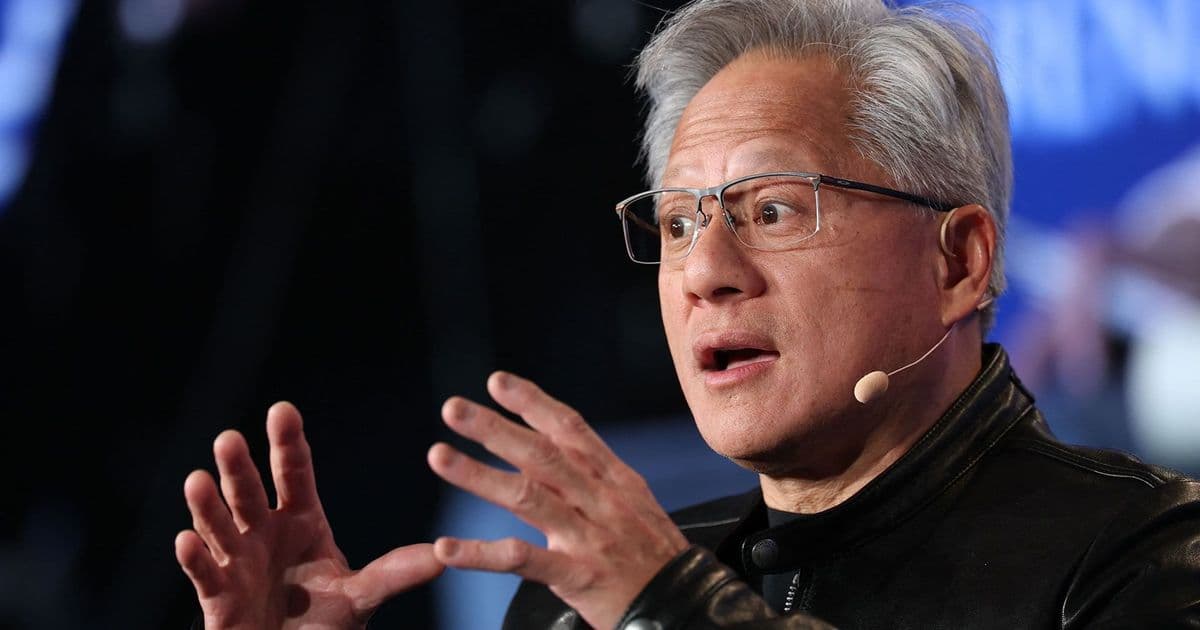
Jensen Huang urged Super Micro Computer to improve compliance after U.S. prosecutors charged its co‑founder with a $2.5 billion Nvidia‑chip smuggling scheme. Simultaneously, Taiwan’s Keelung prosecutors announced a separate investigation into fraudulent export filings for Nvidia‑powered servers bound for China, Hong Kong and Macau, marking the island’s first coordinated effort to stop AI‑GPU leakage.
Announcement
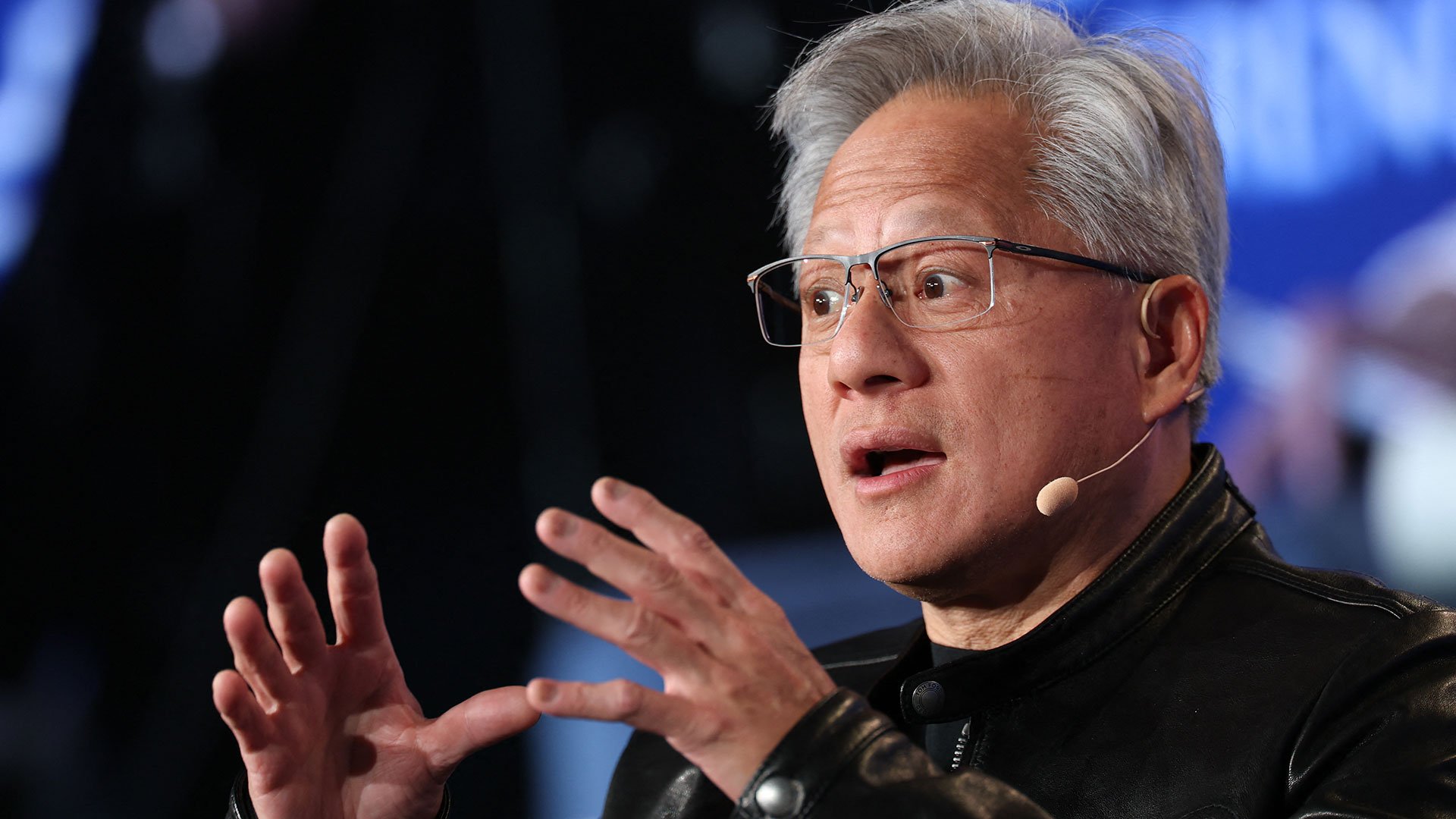
Nvidia’s chief executive, Jensen Huang, landed at Taipei’s Songshan Airport on Saturday and used the press conference to demand that Super Micro Computer tighten its export‑control procedures. His remarks came just weeks after U.S. federal prosecutors unsealed an indictment accusing Super Micro co‑founder Yih‑Shyan “Wally” Liaw and two associates of orchestrating a $2.5 billion scheme to ship Nvidia‑equipped servers to China through a network of shell companies in Southeast Asia.
Within hours of Huang’s statement, Taiwan’s Keelung District Prosecutors’ Office disclosed its own investigation. Three suspects there had filed falsified shipping declarations to move Super Micro servers containing Nvidia AI GPUs to mainland China, Hong Kong and Macau. The Taiwanese case is distinct from the U.S. indictment but underscores a growing multi‑jurisdictional focus on illicit AI‑hardware trade.
Technical specs and compliance background
- Server configuration: The seized units were standard Super Micro 4U chassis populated with Nvidia H100 or H200 GPUs, each board delivering up to 700 TFLOPs of FP16 AI performance. A typical configuration housed eight GPUs, a 64‑core Xeon Scalable CPU, 1 TB of DDR5 RAM and 30 TB of NVMe storage, pushing the total bill of materials above $150,000 per rack.
- Export classification: Both the H100 and the newer H200 are listed under the U.S. Export Administration Regulations (EAR) as Category 3 – “Electronic Devices” with a “PCI‑3” ECCN, requiring a license for re‑export to China unless a specific license exception applies. Nvidia has secured a limited license for the H200 (the “H200‑CN” variant) that permits sales to a vetted list of Chinese customers, but no units have left the factory yet.
- Compliance gaps: The indictment alleges that Super Micro employees created shell entities in Singapore, Malaysia and Vietnam, then used false end‑user statements to obtain export licenses. The Taiwanese investigation points to similar falsifications in the shipping paperwork, suggesting a coordinated supply‑chain subversion rather than isolated rogue actors.
Market implications
- Supply‑chain tightening – Huang’s public call for stricter compliance signals that Nvidia will likely audit its entire ecosystem of OEMs, system integrators and logistics partners. Expect tighter documentation requirements, mandatory end‑user verification, and possibly a shift toward “ship‑to‑approved‑facility” models for high‑value AI GPUs.
- Impact on Chinese AI spend – Nvidia estimates a $200 billion addressable market in China for its upcoming Vera CPU and AI accelerators. The H200 license, while technically in place, has not resulted in a single shipment. Continued enforcement actions could delay any meaningful market penetration, forcing Chinese cloud providers to lean more heavily on domestic alternatives such as Huawei’s Ascend series.
- Regional supply‑chain reshaping – Taiwan’s crackdown may prompt other East‑Asian jurisdictions to review their export‑control regimes. Companies that rely on Singapore‑based freight forwarders or Malaysian assembly houses could see increased scrutiny, raising the cost of compliance by an estimated 5‑10 % per shipment.
- Investor perception – Nvidia’s stock has already priced in a near‑term slowdown in Chinese sales due to geopolitical friction. The added compliance risk could modestly depress revenue forecasts for FY 2025, especially if the Vera Rubin platform’s rollout is delayed by regulatory bottlenecks.
- OEM positioning – Super Micro, while not named as a defendant, is now under a spotlight to demonstrate remediation. A successful compliance overhaul could preserve its role as a preferred Nvidia partner; failure could open the market to rivals such as Dell EMC, Inspur and Quanta, which have historically maintained cleaner export records.
Outlook
The convergence of U.S. prosecution and Taiwanese enforcement marks a clear escalation in the fight against AI‑hardware smuggling. Nvidia’s public stance suggests it will invest heavily in supply‑chain visibility tools—potentially leveraging blockchain‑based provenance tracking or AI‑driven anomaly detection—to flag suspicious export requests before they leave the factory.
For Chinese customers, the message is equally stark: even licensed chips like the H200 will face a lag of months, if not years, before any units appear in data centers. Companies seeking to maintain competitive AI workloads may accelerate migration to home‑grown accelerators or diversify across multiple GPU vendors.
The upcoming GTC Taipei event on June 1, where Huang will unveil the Vera Rubin software stack, will likely address how Nvidia plans to reconcile its ambitious China roadmap with the tightening regulatory environment. Stakeholders should watch for any new compliance‑technology announcements, as they will set the tone for the next wave of AI‑chip deployments worldwide.
For further reading on the U.S. indictment, see the Department of Justice press release.
Comments
Please log in or register to join the discussion