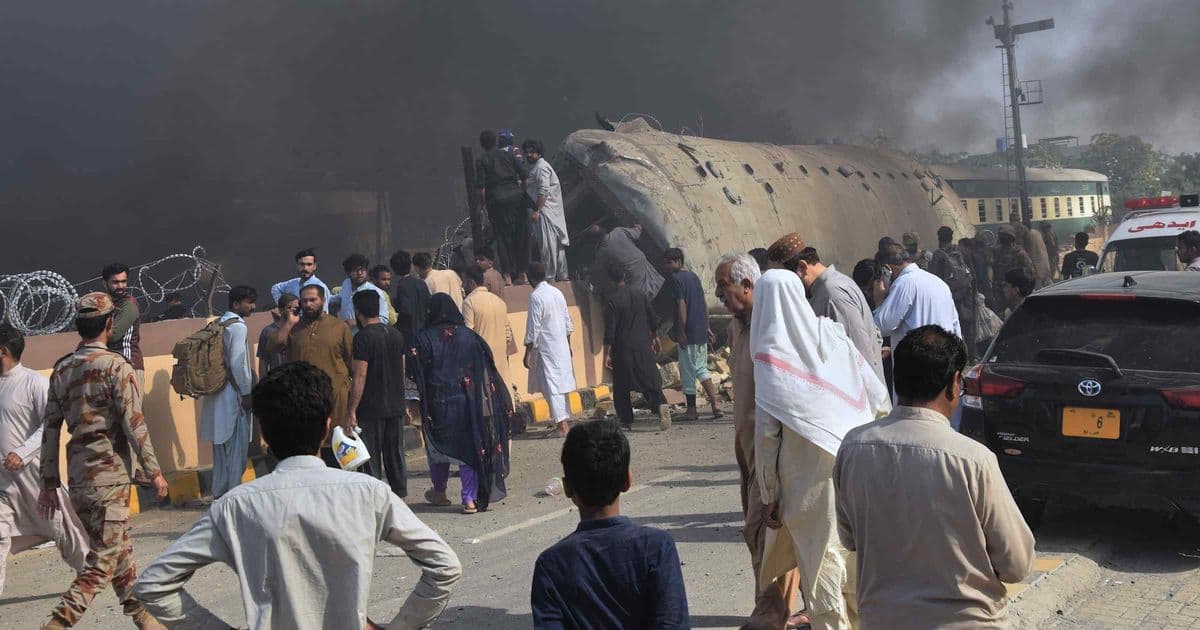
A bomb blast on a passenger train in Quetta injured more than 30 people, prompting heightened security measures on Pakistan’s western rail network and threatening the timeline for a $2.5 billion copper‑gold belt project and China‑Pakistan Economic Corridor (CPEC) logistics upgrades.
Bomb attack on Quetta passenger train
A high‑explosive device detonated beside a passenger train on the Quetta‑Kalat line on Sunday, causing two carriages to overturn and catch fire. Local officials confirmed more than 30 injuries, with several victims in critical condition. Paramilitary troops and civilian volunteers rescued survivors and pulled the wreckage from the tracks.
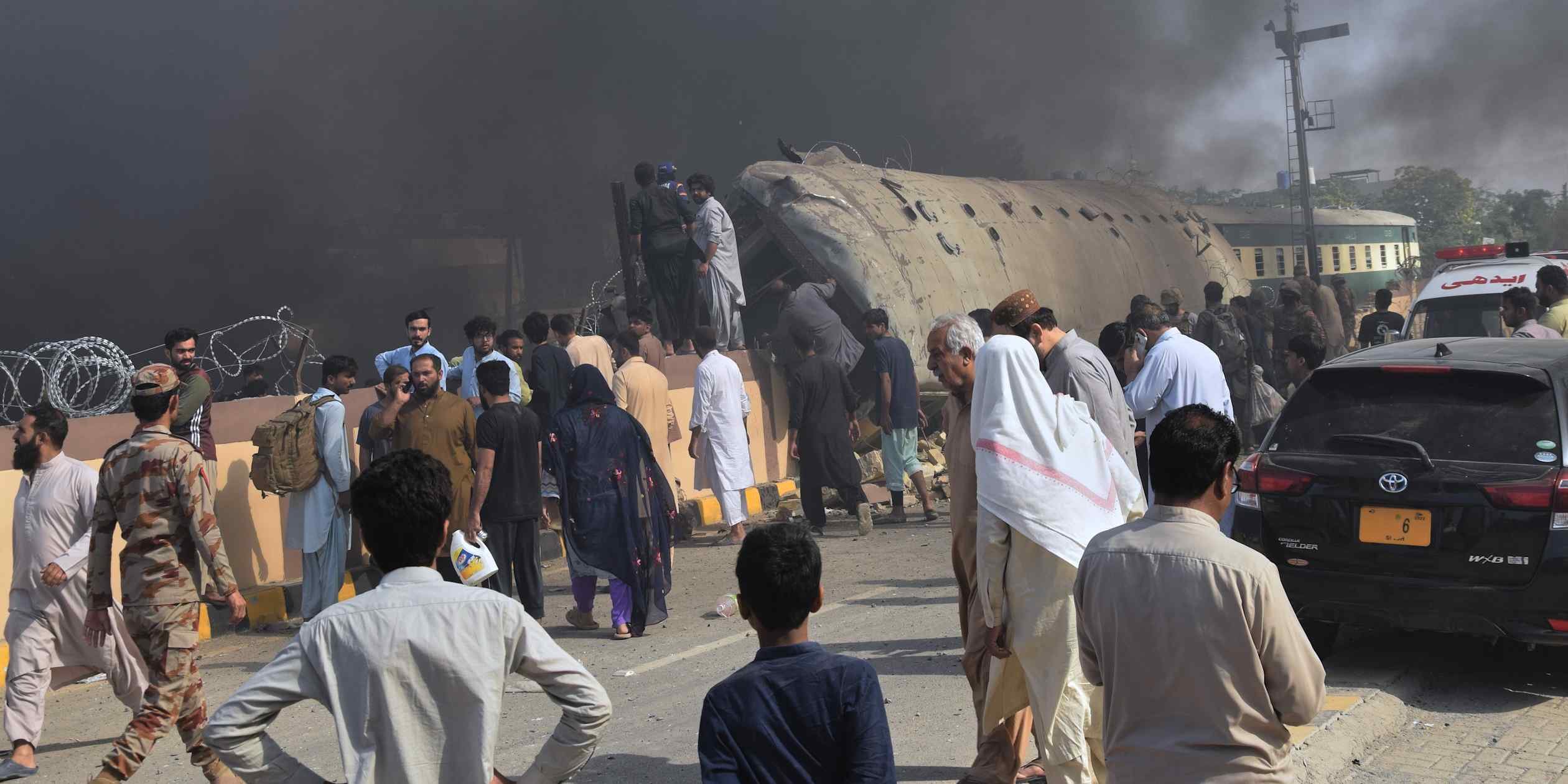
The blast, suspected to be the work of a militant group operating in Balochistan, marks the latest violent incident on a route that is a key conduit for freight moving between the Arabian Sea port of Gwadar and inland mining projects.
Market context: security risk premium on Pakistan’s transport infrastructure
| Metric | Figure |
|---|---|
| Annual rail freight volume (CPEC corridor) | $1.9 bn (2025) |
| Estimated cost of the copper‑gold belt project | $2.5 bn (2026‑2030) |
| Average security surcharge on freight contracts (pre‑attack) | 3.2 % of cargo value |
| Projected increase in security surcharge (post‑attack) | 4.5 %–5.0 % |
The Quetta line is part of the Western Alignment of the China‑Pakistan Economic Corridor, a route that carries minerals from the Saindak and Chagai mines to the Gwadar port for export. Analysts at Rothschild & Co estimate that any disruption on this line adds $12‑$18 million per month in delayed shipments and insurance premiums.
Investors have already priced a security risk premium of roughly 150 basis points into the yields of Pakistan’s sovereign bonds. The recent attack is likely to push that premium higher, especially as insurers reassess the probability of sabotage on rail assets.
What it means for investors and regional trade
Higher operating costs for logistics firms – Companies such as Pakistan Railways and private freight operators will need to allocate additional funds for patrols, surveillance drones, and hardened rolling stock. The anticipated 1.3‑percentage‑point rise in security surcharges could shave $25 million off annual profit margins for the top three freight carriers.
Delay to the copper‑gold belt timeline – The $2.5 billion mining corridor, financed by a consortium of Chinese state banks and local investors, was slated for completion by Q4 2027. A security‑driven slowdown could push the start of ore shipments to early 2028, compressing the project’s internal rate of return by 0.4–0.6 pp.
Impact on CPEC financing – The China Development Bank has earmarked $3 bn for rail upgrades along the Western Alignment. A spike in security costs may trigger a review clause that allows the lender to renegotiate loan covenants, potentially tightening disbursement schedules.
Insurance market response – Global insurers, including Lloyd’s of London, have flagged Balochistan as a “high‑frequency event zone.” Premiums for cargo insurance on routes passing through Quetta could rise by 20‑30 %, increasing the landed cost of exported minerals.
Political pressure for a paramilitary presence – The federal government announced an immediate deployment of an additional 2,000 paramilitary personnel to guard the rail corridor. While this may deter further attacks, the cost of maintaining such forces—estimated at $150 million annually—will likely be passed on to freight customers.
Outlook
The Quetta bombing underscores the vulnerability of Pakistan’s western transport spine, a critical link for mineral exports and China‑Pakistan trade. Investors should monitor security‑related cost escalations and project timeline revisions when modeling cash flows for CPEC‑linked assets. In the short term, higher freight surcharges and insurance premiums will compress margins, while the longer‑term risk of further attacks could affect the overall attractiveness of the region’s infrastructure portfolio.
For further reading on CPEC rail upgrades, see the official China‑Pakistan Economic Corridor rail project page.
Comments
Please log in or register to join the discussion