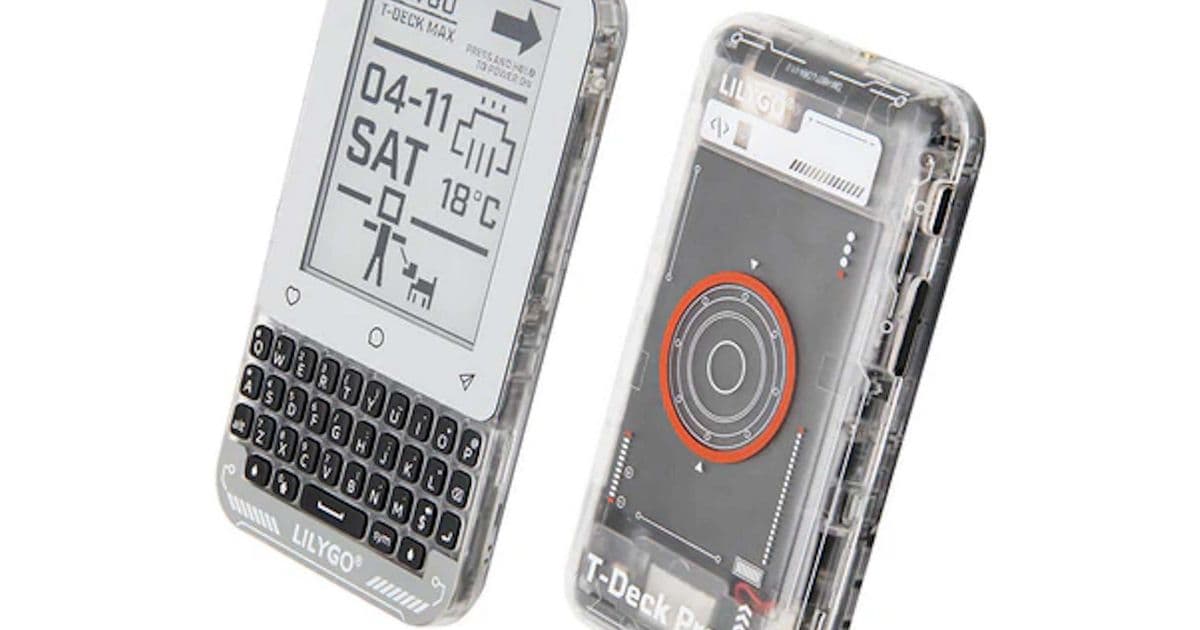
LilyGo's T-Deck Max offers a unique $110 e-ink communication device with LoRa capabilities, targeting hobbyists and specialized use cases rather than mainstream smartphone users.
What's New with the T-Deck Max
The T-Deck Max represents an intriguing alternative to conventional smartphones, bringing together e-ink display technology with long-range communication capabilities. Priced at approximately $110, this device from LilyGo offers a distinct approach to mobile communication that diverges significantly from traditional Android or iOS devices.
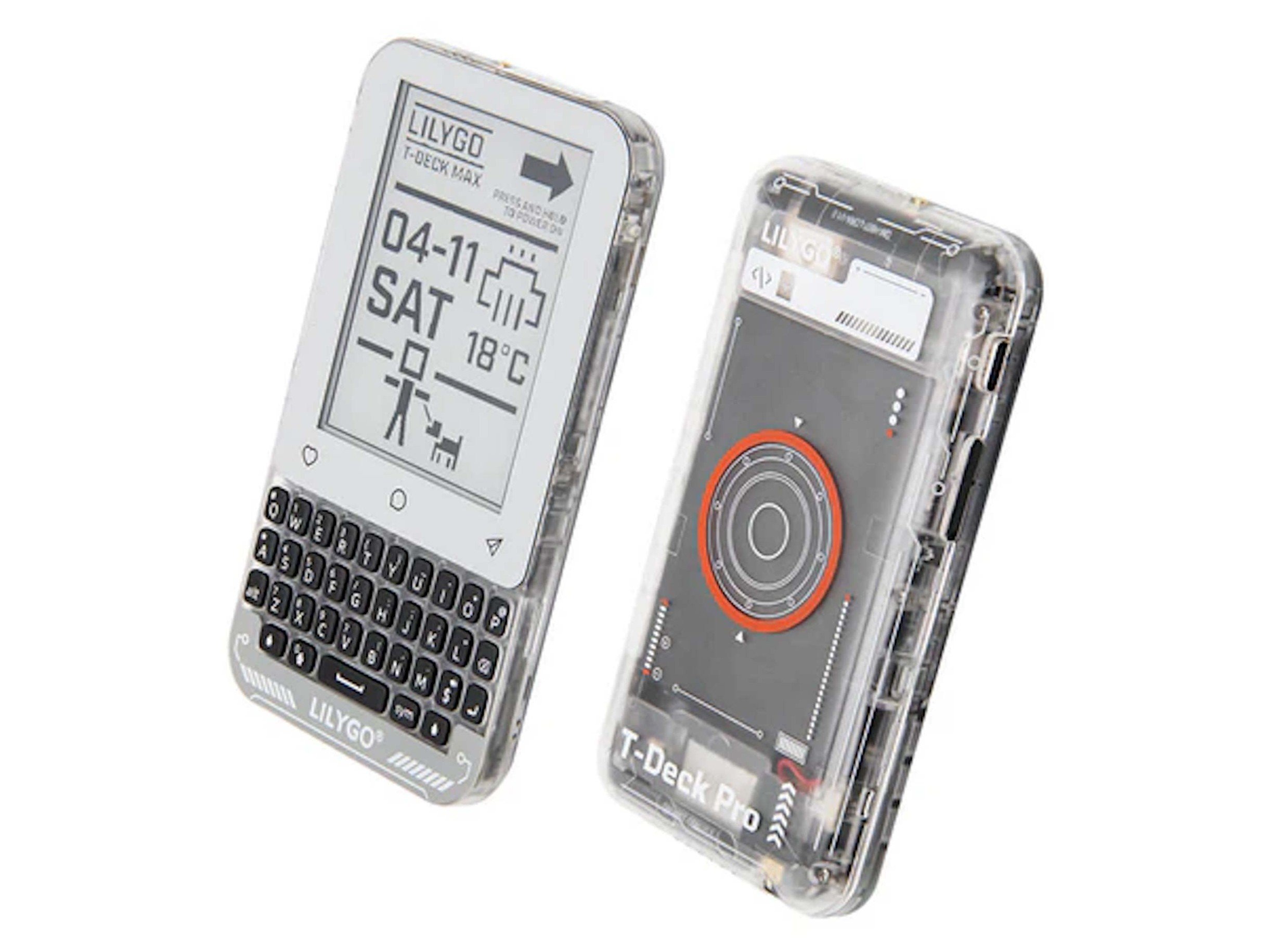
At its core, the T-Deck Max utilizes an ESP32-S3 microcontroller as its main processing unit. This choice immediately signals that the device isn't designed for high-performance computing but rather for specialized, low-power applications. The ESP32-S3 provides Wi-Fi and Bluetooth connectivity along with sufficient processing power for basic communication tasks, though it falls far short of what modern smartphone chipsets deliver. For more details on the ESP32-S3, you can consult the official Espressif documentation.
The most distinctive feature is the 3.1-inch e-ink display with a resolution of 320 x 240 pixels. This display technology, commonly found in e-readers like Amazon's Kindle, offers exceptional battery efficiency and excellent readability in direct sunlight. Unlike traditional smartphone LCD or OLED screens, e-ink displays only consume power when the content changes, making them ideal for applications where information doesn't need frequent updates.
Communication capabilities set the T-Deck Max apart from conventional devices. The device supports LoRa (Long Range) technology, enabling it to transmit small amounts of data over significant distances without relying on cellular networks or internet connectivity. This opens up possibilities for communication in remote areas, during disasters when infrastructure is down, or in specialized environments like large factory sites. For more information on LoRa technology, you can visit the LoRa Alliance website. Additionally, the device includes GPS functionality, allowing it to transmit location data alongside messages.
For situations where LoRa isn't sufficient, an optional 4G module can be added, providing traditional cellular connectivity when available. The device also includes basic audio components with a built-in microphone and speaker, enabling voice communication when paired with appropriate software.
How the T-Deck Compares to Alternatives
When evaluating the T-Deck Max, it's essential to compare it not only to other smartphones but also to other specialized communication devices and development boards.
Compared to traditional smartphones, the T-Deck Max offers several advantages in specific scenarios. Its e-ink display provides superior battery life for text-based applications and better visibility in bright conditions. The LoRa capability enables communication where cellular networks are unavailable or unreliable. At $110, it's significantly more affordable than even budget smartphones.
However, the T-Deck Max falls short in several areas compared to conventional devices. The ESP32-S3 processor lacks the computational power for complex applications, multitasking, or media consumption. The 320 x 240 display resolution is extremely limited by modern standards, making detailed web browsing or image viewing impractical. The device also lacks the polished software experience of mainstream smartphones, as it doesn't run Android or iOS out of the box.
In comparison to other ESP32-based development boards, the T-Deck Max offers significant advantages through its integrated display, keyboard, and communication modules. While boards like the standard ESP32 DevKit are more flexible for general prototyping, they require additional components to achieve similar functionality. The T-Deck Max provides a more complete package for specific applications.
When compared to other specialized communication devices like satellite messengers (such as Garmin inReach or Zoleo), the T-Deck Max offers greater flexibility and customization potential at a lower price point. However, commercial satellite devices typically offer more polished software, better reliability, and customer support.
Previous T-Deck models from LilyGo provided the foundation for this Max version, though the new model appears to offer enhanced capabilities, likely including improved communication range and possibly better power management. The evolution shows LilyGo's commitment to refining this unique form factor for increasingly diverse applications. You can learn more about LilyGo products on their official website.
Who Should Consider the T-Deck Max
The T-Deck Max is not a device for the average consumer looking for a replacement for their iPhone or Android device. Instead, it targets several specific user groups who can benefit from its unique combination of features.
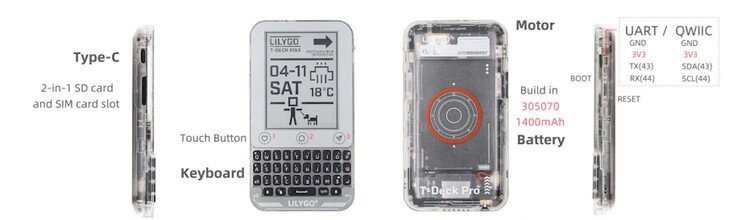
Tinkerers, hobbyists, and developers represent the primary audience for this device. The ability to program using Arduino or PlatformIO IDE, along with the expandable nature of the ESP32-S3 platform, makes it an attractive option for those interested in custom communication solutions. The inclusion of GPIO pins, sensor connectivity, and microSD support allows for extensive customization and experimentation. For those interested in programming the device, resources are available through the Arduino IDE and PlatformIO.
Industrial and commercial applications present another strong use case. The device's potential as a personal emergency signaling tool in large factory sites demonstrates its value in professional settings. The ability to create LoRa networks with repeaters makes it suitable for facilities where traditional communication might be unreliable or where cellular coverage is inconsistent.
Outdoor enthusiasts and adventurers might find the T-Deck Max appealing for its potential to operate in remote locations. The combination of GPS, LoRa communication, and power-efficient e-ink display could create a useful emergency communication device for hiking, camping, or other activities where cellular coverage might be absent.
Researchers and students in fields like environmental science, agriculture, or logistics could utilize the T-Deck Max for data collection and transmission in the field. The device's expandability allows for integration with various sensors, making it a versatile tool for environmental monitoring, wildlife tracking, or inventory management.
For budget-conscious users who primarily need basic communication capabilities without the complexity and cost of a traditional smartphone, the T-Deck Max offers an intriguing alternative. Its low price point and minimal power requirements could make it suitable as a secondary communication device.
Practical Considerations and Limitations
Potential buyers should understand several practical limitations of the T-Deck Max. The device is not a fully configured, out-of-the-box product ready for typical end users. It requires technical knowledge to set up and program, making it unsuitable for those without electronics or programming experience.
The 320 x 240 display, while power-efficient, imposes significant limitations on usability. Text entry, while facilitated by the built-in keyboard, will be a basic experience compared to modern smartphones. The processing power of the ESP32-S3 restricts the device to relatively simple applications and tasks.
Battery life, while potentially excellent due to the e-ink display, will depend heavily on usage patterns. LoRa communication, while efficient, will consume more power than idle operation. The actual battery performance in real-world scenarios remains to be seen through independent testing.
The device's specialized nature means it won't replace a smartphone for most users' daily needs. Those expecting web browsing, app ecosystems, or multimedia capabilities will be disappointed. The T-Deck Max should be viewed as a specialized tool rather than a general-purpose communication device.
Future Potential and Development
The T-Deck Max represents an interesting experiment in alternative mobile communication devices. As IoT (Internet of Things) technology continues to evolve, devices like this could find increasingly diverse applications. The open nature of the platform allows for community-driven development, potentially expanding its capabilities beyond what LilyGo originally envisioned.
Future software improvements could enhance the device's usability, with custom operating systems or communication protocols potentially expanding its functionality. Hardware iterations might improve the display resolution, processing power, or battery capacity while maintaining the core advantages of the platform.
For developers and tinkerers, the T-Deck Max offers a starting point for creating custom communication solutions that address specific needs not met by mainstream devices. The relatively low cost of entry makes experimentation accessible, potentially leading to innovative applications in various fields.
In conclusion, the LilyGo T-Deck Max occupies a unique niche in the mobile device ecosystem. It won't appeal to everyone, but for its target audience of tinkerers, industrial users, and specialized applications, it offers an affordable, power-efficient communication solution with capabilities that traditional smartphones cannot match. Its success will depend on the development of a supportive community and the emergence of compelling use cases that leverage its unique combination of e-ink display, LoRa communication, and expandable hardware platform.
Comments
Please log in or register to join the discussion