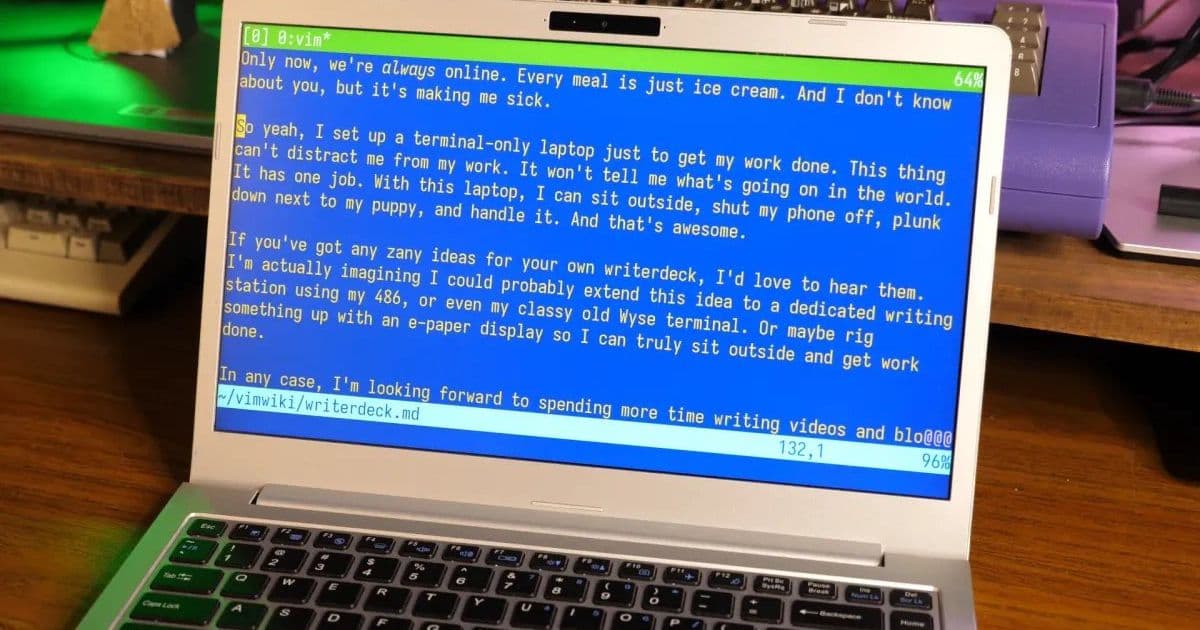
A growing number of developers and creatives are embracing minimal computing setups, dedicating single-purpose devices to specific tasks to escape the constant distractions of modern technology. This trend reflects a broader cultural shift toward intentional tech use and digital minimalism.
The digital landscape has become increasingly crowded with notifications, alerts, and constant connectivity. In response, a quiet but persistent movement has emerged among developers, writers, and digital creatives: minimal computing. This approach involves creating dedicated, single-purpose devices stripped of unnecessary features and distractions, allowing users to focus deeply on specific tasks.
At the forefront of this movement is the concept of "writerdecks" - specialized writing devices that exist outside the ecosystem of notifications, social media, and endless browser tabs. The author of a recent popular blog post detailed their journey of converting an old laptop into a dedicated writing machine using a minimal Linux setup, a story that resonated with many in the tech community who feel overwhelmed by digital distractions.
This trend isn't limited to writing tools. Developers are increasingly adopting similar approaches for coding, with setups that limit access to distracting websites and communication channels. Musicians are creating dedicated audio workstations, and designers are building minimal creative environments. The common thread is a desire to reclaim focus in an age of perpetual connectivity.
The evidence for this movement's growth can be seen across multiple platforms. On Reddit, communities like r/minimalcomputing and r/zsh have seen increased activity as users share their minimalist setups. GitHub repositories for terminal-based tools like kmscon and neovim have experienced notable spikes in star counts and contributions. The popularity of tools like Syncthing for offline-first workflows further demonstrates the shift toward intentional tech use.
Several factors drive this trend. First, the cognitive load of managing multiple applications, notifications, and digital contexts has become unsustainable for many. Research from institutions like Stanford University has shown that frequent context switching can reduce productivity by as much as 40%. Second, there's a growing awareness of the psychological impact of constant connectivity, with studies linking digital overload to increased anxiety and decreased attention spans.
The technical feasibility of minimal computing has improved dramatically. Modern Linux distributions like Debian and Ubuntu offer lightweight installation options that can transform older hardware into capable single-purpose machines. Terminal multiplexers like tmux and neovim provide sophisticated environments within the constraints of a command-line interface. Cloud services enable synchronization between minimal devices and more comprehensive setups, creating a hybrid approach that balances minimalism with practicality.
However, this movement isn't without its critics. Some argue that minimal computing setups are impractical in professional environments where constant connectivity and communication are essential. The overhead of maintaining multiple devices can outweigh the benefits of reduced distraction, especially for those who already struggle with technical complexity. Additionally, the trend may inadvertently exclude users who rely on assistive technologies that depend on graphical interfaces or comprehensive operating systems.
The counter-argument, voiced by proponents of minimal computing, is that these setups are not about complete disconnection but about intentional connection. By creating dedicated environments for specific tasks, users can engage more deeply with their work while still maintaining access to the full digital ecosystem when needed. The writerdeck concept, for example, doesn't preclude internet access entirely but structures it in a way that requires conscious decision-making rather than reactive engagement.
Another perspective questions whether minimal computing is truly a new phenomenon or simply a return to earlier computing paradigms. The history of computing is filled with examples of specialized machines designed for specific tasks, from dedicated word processors to early gaming consoles. What's different today is the context in which this trend emerges—a world where general-purpose computers have become so universally connected that the pendulum is swinging back toward specialization.
The practical implementation of minimal computing varies widely. Some users, like the author of the writerdeck post, opt for terminal-only environments on Linux laptops. Others repurpose older tablets or e-readers for specific tasks. Some even build custom hardware, such as single-board computers in dedicated enclosures with mechanical keyboards. The common element is the intentional design of the computing environment to support specific goals rather than attempting to be all things to all users.
For developers, this trend has particular implications. The rise of containerization and cloud-native development has already reduced the need for local development environments to be comprehensive. Tools like Docker and Kubernetes allow developers to work with complex systems through simplified interfaces. This technical evolution makes it easier to create minimal development machines that still provide access to powerful tools and resources.
The psychological benefits of minimal computing extend beyond productivity. Many users report increased satisfaction with their digital experiences when they engage with technology intentionally rather than reactively. This aligns with broader movements like digital minimalism, which advocate for a more conscious relationship with technology. The writerdeck concept, in particular, embodies this philosophy by creating a space where the focus is entirely on the creative process without the friction of digital distractions.
Looking ahead, the minimal computing movement may evolve in several directions. One possibility is increased integration with ambient computing paradigms, where minimal devices seamlessly connect with more comprehensive systems as needed. Another is the development of more sophisticated minimal environments that retain the focus benefits of current setups while providing more of the conveniences users have come to expect. The rise of AI assistants might also play a role, potentially handling many of the connectivity and communication tasks that currently distract users.
For those interested in exploring minimal computing, the barrier to entry has never been lower. Older laptops can often be acquired inexpensively or obtained through recycling programs. Linux distributions offer flexible installation options that can transform these machines into capable minimalist devices. Terminal-based tools provide powerful environments within the constraints of command-line interfaces. And online communities offer support and inspiration for those embarking on this journey.
The writerdeck concept, as detailed in the popular blog post, exemplifies this approach in action. By creating a dedicated writing environment free from the distractions of modern computing, the author demonstrates how intentional design can enhance creative output. The detailed walkthrough of the setup process—from installing a minimal Linux distribution to configuring terminal tools and automating workflows—provides a practical blueprint for others looking to implement similar solutions.
In conclusion, the minimal computing movement represents a meaningful response to the challenges of digital overload. By creating dedicated, single-purpose devices and environments, users can reclaim focus and intentionality in their digital lives. While not without limitations, this trend offers a valuable perspective on how we might design technology that serves our needs rather than dictating our attention. As our digital lives continue to evolve, the principles of minimal computing may prove increasingly relevant in helping us maintain balance and purpose in our relationship with technology.
Comments
Please log in or register to join the discussion