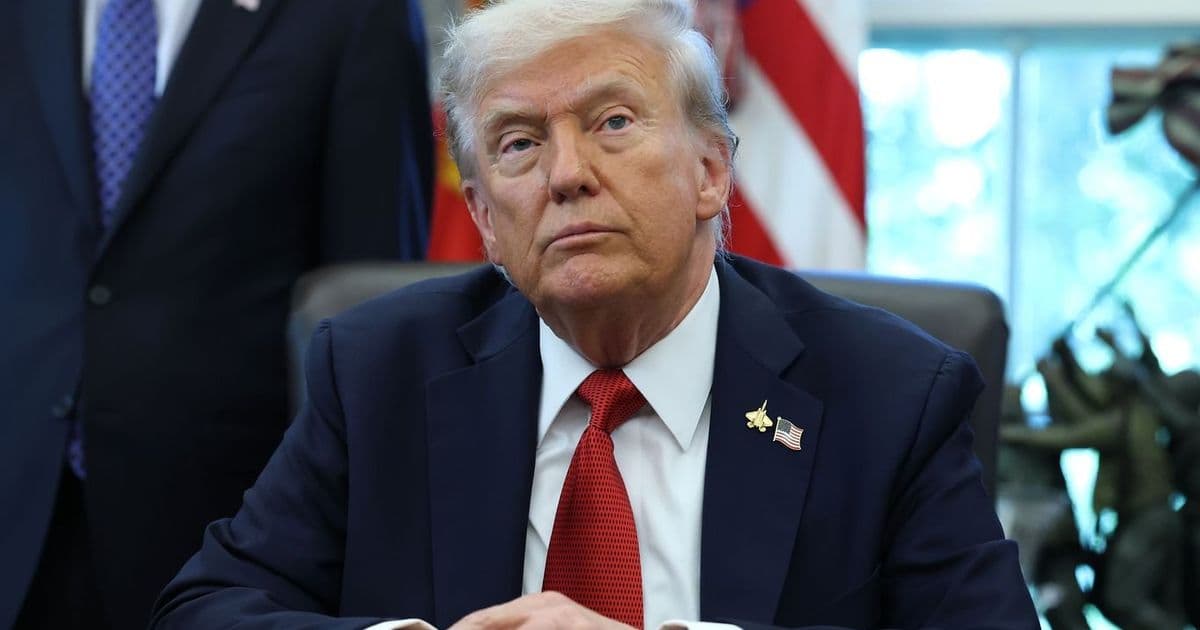
A potential agreement between the U.S. and Iran aimed at easing sanctions in exchange for nuclear restrictions could reshape global energy markets and regional business dynamics.
The Trump administration is finalizing a comprehensive agreement with Iran that could significantly alter the geopolitical landscape and create substantial opportunities for international businesses. According to sources familiar with the negotiations, the deal would involve a phased lifting of economic sanctions on Iran in exchange for enhanced monitoring of its nuclear program and commitments to regional stability.
The proposed agreement centers on three main pillars: nuclear restrictions, sanctions relief, and regional security commitments. Under the nuclear provisions, Iran would agree to extend the breakout time—the period required to produce enough weapons-grade uranium for a bomb—from approximately three months to at least one year. This would involve removing advanced centrifuges from key facilities and allowing more intrusive inspections by the International Atomic Energy Agency (IAEA).
The sanctions relief component would be the most immediately impactful for global markets. The deal would gradually lift restrictions on Iran's oil exports, potentially adding 500,000 to 1 million barrels per day to global markets within the first year. This represents approximately a 1% increase in global supply, which could significantly impact oil prices and energy company revenues.
For international businesses, the agreement would open markets that have been largely closed since the U.S. withdrew from the previous Iran nuclear deal in 2018. European companies, particularly in the automotive, pharmaceutical, and infrastructure sectors, could reestablish operations in Iran. Asian companies, especially from China, India, and Turkey, which maintained trade relationships despite sanctions, might expand their presence.
The financial implications extend beyond oil markets. Iran's access to approximately $100 billion in frozen overseas assets could be unfrozen, injecting liquidity into the global financial system. Iranian banks would gradually be reconnected to the SWIFT international payment system, facilitating cross-border transactions.
Regional security provisions in the agreement include commitments from Iran to de-escalate tensions with Israel and Saudi Arabia, and to refrain from supporting proxy groups in Syria, Yemen, and Lebanon. These commitments could reduce regional tensions and create a more stable environment for business operations across the Middle East.
The potential economic impact extends to specific sectors. In the energy sector, increased Iranian oil exports could pressure U.S. shale producers and reduce OPEC's market power. For European companies, the return to the Iranian market represents a significant opportunity, particularly for French automakers and German industrial manufacturers that had established strong presences before sanctions were reimposed.
Financial markets are likely to react positively to the deal, with Iranian assets and companies connected to Iran trade potentially seeing significant valuation increases. Regional markets in the Middle East could experience increased stability, reducing risk premiums for investments.
The agreement faces significant political hurdles. Congressional approval would be required for permanent sanctions relief, and international partners would need to coordinate implementation. The timeline for the deal remains uncertain, with sources suggesting it could be finalized within weeks but potentially face delays in implementation.
For businesses, the key consideration is preparing for potential market entry while managing regulatory risks. Companies with compliance departments focused on Iran sanctions would need to reassess their risk frameworks as restrictions ease. The phased nature of sanctions relief suggests a measured approach to market reentry may be prudent.
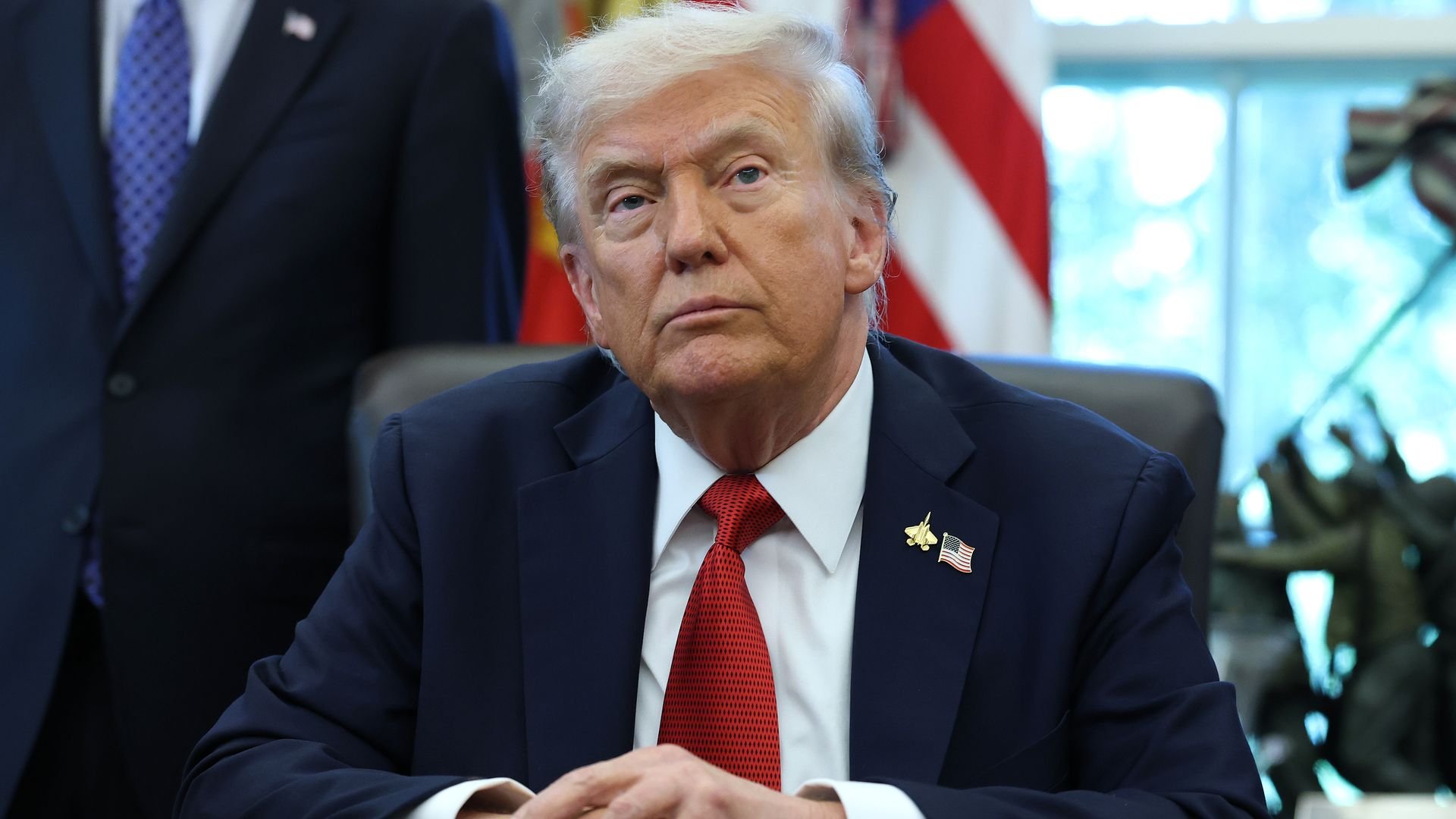
The potential agreement represents a significant shift in U.S. foreign policy toward Iran and could reshape regional dynamics. For businesses, the opportunity lies in accessing a large, underdeveloped market with significant potential across multiple sectors. However, the political uncertainties and potential for future policy shifts require careful risk management strategies.
For investors, the deal could create opportunities in sectors positioned to benefit from increased Iran trade, including logistics companies, energy firms, and manufacturers with products suited to the Iranian market. The phased implementation of sanctions relief suggests a measured approach to investment may be prudent, allowing for clearer market signals as the deal takes effect.
The global impact extends beyond immediate business considerations. A successful agreement could establish a template for future diplomatic solutions to complex geopolitical challenges, potentially influencing approaches to other sanctions regimes and nuclear nonproliferation efforts.
As the Trump administration finalizes the agreement details, businesses and investors should monitor developments closely while preparing for potential market opportunities that could emerge in the coming months. The phased nature of the deal suggests a measured approach to market reentry may be most prudent, allowing for clearer signals as implementation progresses.
Comments
Please log in or register to join the discussion