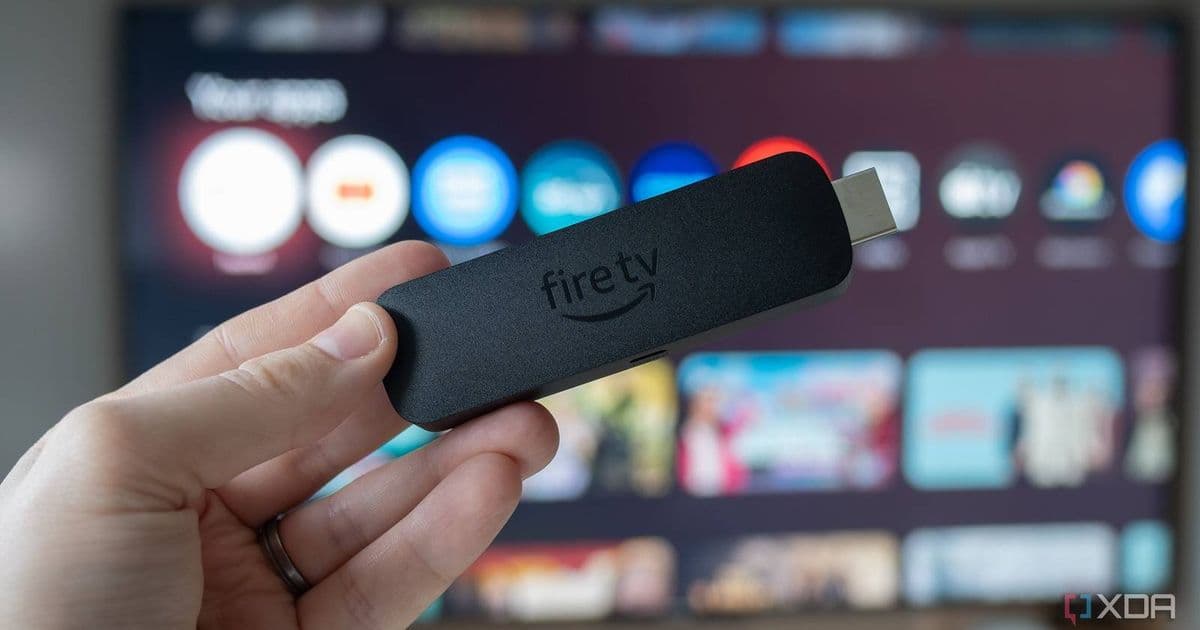
Amazon is cracking down on Fire TV piracy by implementing new security measures that block the installation of unauthorized apps, marking a significant escalation in the company's ongoing battle against copyright infringement on its streaming devices.
Amazon is taking a more aggressive stance against piracy on its Fire TV platform by implementing new security measures that prevent users from installing unauthorized applications. This move represents a significant escalation in the company's ongoing efforts to combat copyright infringement on its streaming devices.
The New Security Measures
The latest update to Fire TV's operating system introduces enhanced security protocols that specifically target the sideloading of apps from unofficial sources. Previously, Fire TV devices allowed users to enable installation from unknown sources, a feature commonly exploited by those seeking to access pirated content through third-party applications.
Amazon's new approach employs a multi-layered security strategy. The system now includes real-time scanning of installed applications, with suspicious apps being automatically flagged and removed. Additionally, the company has implemented certificate-based verification for all apps, making it significantly more difficult for unauthorized software to function on Fire TV devices.
Impact on Users
For legitimate users, these changes may go largely unnoticed. The vast majority of Fire TV owners use official apps from the Amazon Appstore, which remain unaffected by these security enhancements. However, users who previously relied on sideloading for accessing region-locked content or niche applications may find themselves unable to install their preferred software.
The crackdown has sparked mixed reactions within the Fire TV community. While many users support Amazon's efforts to reduce piracy, others argue that the restrictions limit the device's flexibility and customization options. Some tech enthusiasts have expressed concerns about the broader implications for digital rights and device ownership.
The Piracy Problem
Piracy has long been a challenge for streaming device manufacturers. Fire TV's popularity made it an attractive target for those distributing unauthorized access to premium content, including live TV channels, movies, and sports events. Third-party apps offering such content proliferated, often marketed as "free TV" or "unlimited streaming" solutions.
These piracy-enabling applications not only violate copyright laws but also pose security risks to users. Many contain malware or collect personal data without consent. By cracking down on these apps, Amazon aims to protect both content creators and consumers.
Industry Context
Amazon's move aligns with broader industry efforts to combat digital piracy. Other streaming device manufacturers, including Roku and Google with its Android TV platform, have implemented similar measures in recent years. The coordinated approach suggests a growing consensus among tech companies about the need to protect intellectual property in the streaming era.
The timing of Amazon's enhanced security measures coincides with increased pressure from content creators and rights holders. Major studios and networks have been advocating for stronger anti-piracy measures across all streaming platforms, viewing unauthorized access as a significant threat to their business models.
Technical Implementation
The new security features leverage several technical approaches:
- Certificate Pinning: All apps must now be signed with valid certificates recognized by Amazon's verification system
- Behavioral Analysis: The system monitors app behavior patterns to identify potentially malicious or unauthorized software
- Regular Security Updates: Amazon has committed to more frequent security patches to address new piracy methods as they emerge
- Cloud-based Verification: Some security checks now occur in the cloud, making it harder for modified apps to bypass detection
Developer Response
Independent developers who create legitimate apps for Fire TV have largely welcomed the changes, noting that they help create a more secure ecosystem. However, some have expressed concerns about the certification process becoming more stringent, potentially creating barriers for smaller developers.
Amazon has responded by streamlining its app review process and providing clearer guidelines for developers. The company emphasizes that the goal is to prevent piracy while maintaining an open platform for legitimate innovation.
Future Implications
This escalation in Amazon's anti-piracy efforts may signal a broader shift in how streaming device manufacturers approach security. As streaming becomes increasingly central to home entertainment, protecting content rights while maintaining user flexibility presents an ongoing challenge.
The effectiveness of these measures remains to be seen. Piracy groups have historically found ways to circumvent such restrictions, often through firmware modifications or alternative installation methods. However, Amazon's multi-layered approach makes bypassing the security significantly more complex.
For now, Fire TV users will need to rely on official channels for app installation, marking a significant change in how the platform operates. Whether this represents a temporary measure or a permanent shift in Amazon's approach to device security will likely become clearer in the coming months.
As the streaming landscape continues to evolve, the balance between security, accessibility, and user freedom remains a central challenge for all major tech platforms.
Comments
Please log in or register to join the discussion