Meta is set to unveil two groundbreaking wearables at Meta Connect, including Prada-branded AR glasses with display capabilities and upgraded Ray-Ban smart glasses. This strategic pivot could redefine fashionable tech and accelerate mainstream augmented reality adoption, offering new opportunities for developers. The potential addition of a neural wristband-equipped smartwatch hints at a cohesive ecosystem for immersive interactions.
Tech giants are racing to make augmented reality (AR) glasses as ubiquitous as smartphones, and Meta’s upcoming Meta Connect event on September 17 could mark a pivotal leap. Reports confirm Meta will launch two new wearables: an upgraded version of its popular Ray-Ban smart glasses and a premium Prada-branded AR device featuring a color display. This move isn’t just about hardware—it’s a calculated bid to merge high fashion with cutting-edge tech, potentially reshaping how developers build for the next generation of interfaces.
Beyond Audio: The Ray-Ban 3.0 and Prada’s AR Ambition
Meta’s Ray-Ban smart glasses, known for audio-focused AI features like real-time translation and music control, will debut a 3.0 iteration. Expect significant upgrades: longer battery life, enhanced cameras (matching recent Meta-Oakley models), and new AI capabilities. Priced between $300-$500, these glasses target everyday usability, but the real headline is Meta’s rumored shift to Prada for its next-gen AR glasses. Codenamed "Hypernova" or "Celeste," these $800 devices will reportedly feature:
- A color display in the right eye for overlaying digital information onto the physical world.
- A neural wristband (codenamed "Ceres") enabling gesture-based controls, reducing reliance on voice or touch.
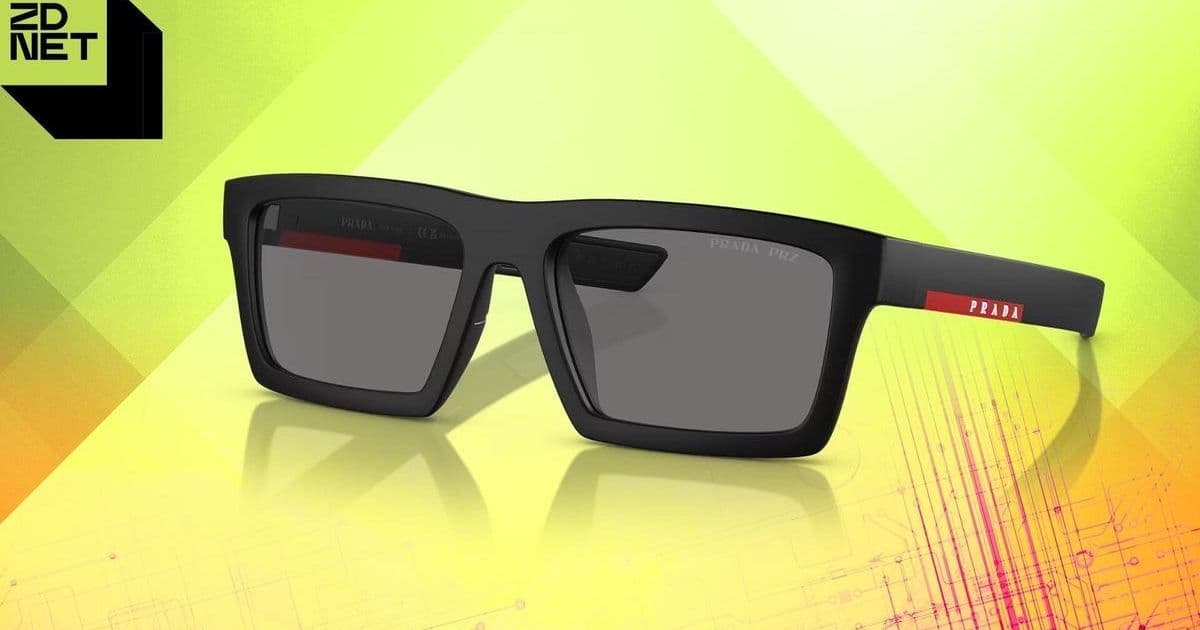
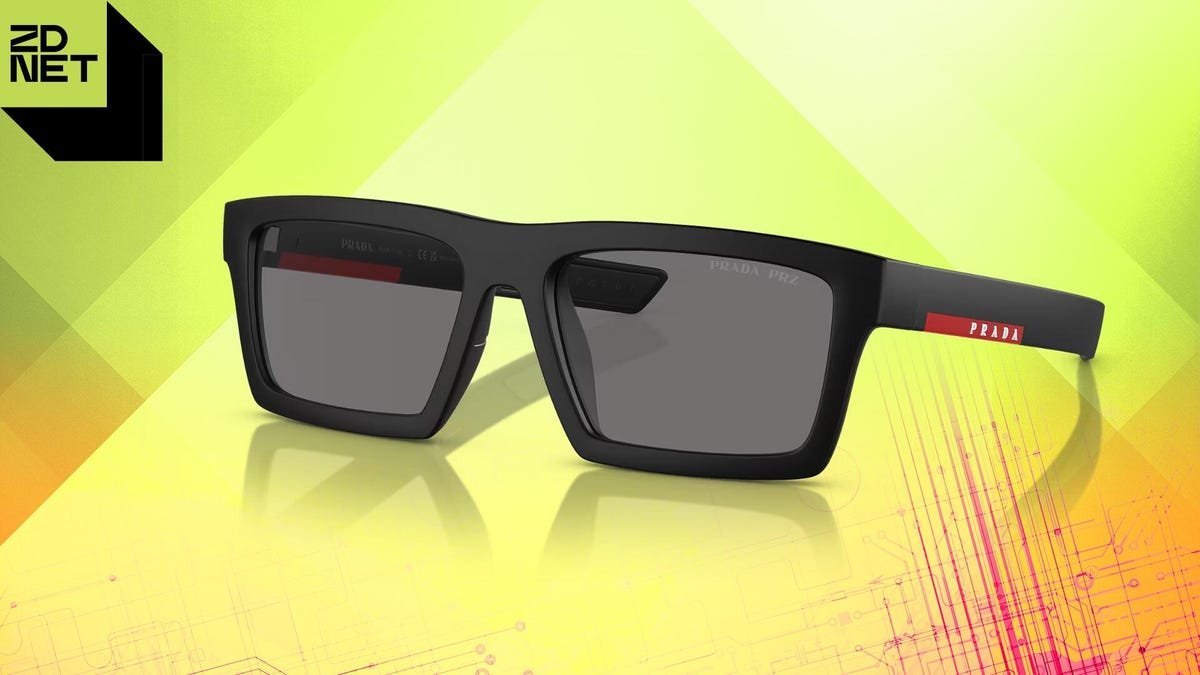
- Sleek integration into Prada’s signature thick-rimmed designs (like the Linea Rossa line), which offer ample space for advanced sensors and processors.
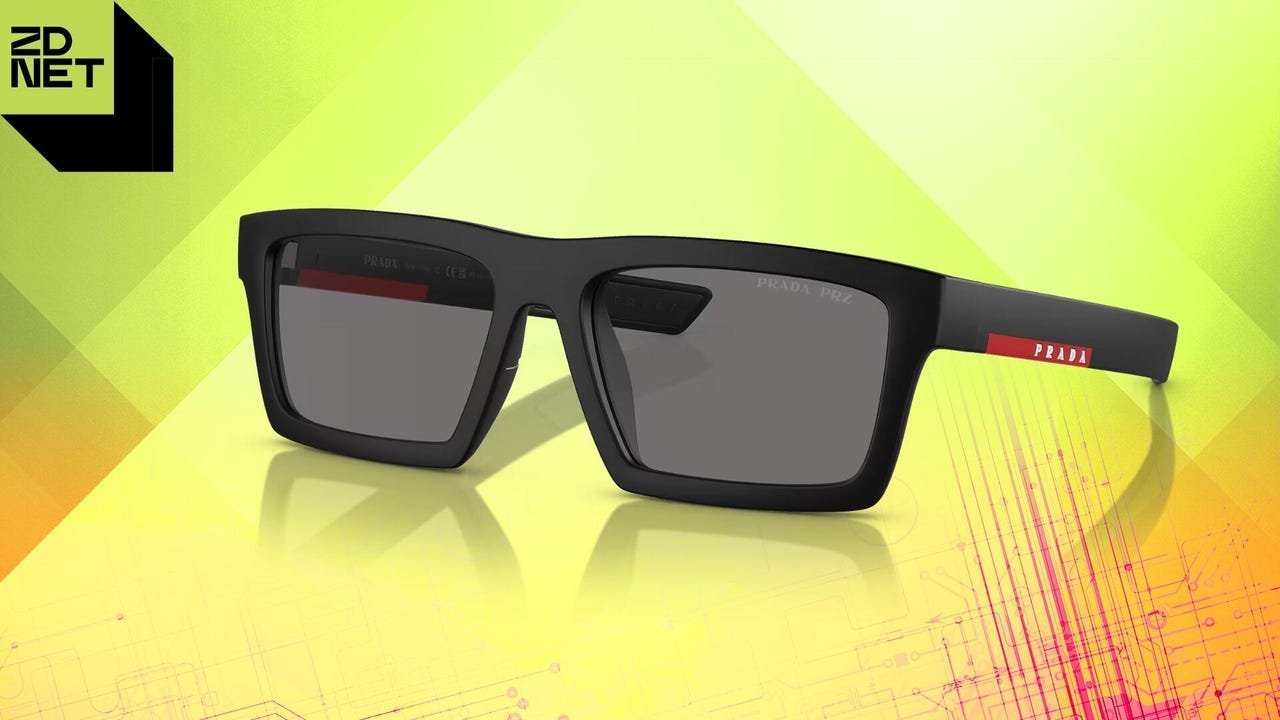 Prada’s Linea Rossa glasses exemplify the design ethos that could house Meta’s AR tech. (Image: Prada/Jason Hiner/ZDNET)
Why Prada? Strategy and Ecosystem Implications
Meta’s pivot to Prada isn’t accidental. Both brands fall under EssilorLuxotica, the eyewear conglomerate behind Ray-Ban and Oakley. By acquiring a 3% stake in EssilorLuxotica earlier this year, Meta secured exclusivity, effectively locking competitors out of similar high-fashion partnerships. As one industry insider noted: "This isn’t just about aesthetics—it’s about making AR socially acceptable. Prada’s luxury appeal could normalize tech-heavy frames in ways Ray-Ban couldn’t."
The Wristband Wildcard: Is a Meta Smartwatch Incoming?
The neural wristband raises questions. Why bundle a standalone controller for glasses? DigiTimes reports suggest Meta might also unveil a smartwatch embedding this technology. This device could serve as a central hub, controlling not just AR glasses but also Meta Quest headsets in mixed-reality environments. For developers, this implies:
- New APIs for gesture-based input and cross-device synchronization.
- Opportunities to build apps leveraging seamless transitions between AR, VR, and real-world contexts.
- Challenges in optimizing for low-latency interactions to prevent user frustration.
Why This Matters for Tech Innovators
Meta’s dual launch signals a critical evolution in wearables. For developers, the Prada glasses’ display opens doors for spatial computing applications—from navigation overlays for engineers to real-time data visualization for field technicians. Meanwhile, the Ray-Ban 3.0’s AI enhancements could democratize tools like instant transcription or object recognition. Yet, hurdles remain: battery constraints, privacy concerns with always-on cameras, and the need for intuitive UI paradigms. As AR shifts from clunky prototypes (like Meta’s $10,000 Orion) to fashion-forward accessories, the pressure mounts on Apple, Samsung, and others to respond—ushering in an era where the glasses on your face are as powerful as the phone in your pocket. Meta Connect will reveal whether style and substance can finally converge.
Comments
Please log in or register to join the discussion