As tech giants embed AI deeper into device hardware, a counter-movement seeks alternatives. We examine smartphones enabling true AI opt-out, from flagship holdouts to purpose-built minimalist devices, and explore the technical and privacy implications of resisting the algorithmic tide.
In an era where generative AI features are aggressively baked into operating systems and silicon, a quiet rebellion is brewing. For developers, privacy advocates, and users wary of opaque algorithms processing their data, finding smartphones without integrated artificial intelligence has become a deliberate act of technological defiance. This isn't merely about disabling settings; it's about choosing hardware fundamentally incapable—or easily freed—of executing the AI models increasingly dictating our digital experiences.
The Hardware-Software AI Divide: Why Opt-Out Isn't Always Enough
Modern smartphones deploy AI across two distinct layers:
- Hardware-Level AI: Dedicated NPUs (Neural Processing Units) integrated into SoCs (System-on-Chip), like Apple's Neural Engine or Qualcomm's Hexagon processor. These are physically designed to accelerate machine learning tasks efficiently. Removing AI functionality here requires disabling core silicon capabilities, often impossible without voiding warranties or bricking devices.
- Software-Level AI: AI features implemented via apps and OS services leveraging the CPU/GPU. These can typically be disabled or uninstalled through settings or ADB commands without hardware modification, though residual background processes may linger.
"The shift to hardware-level AI is a deliberate lock-in strategy," observes Alison DeNisco Rayome, ZDNET's lead reviewer. "It creates a dependency where 'opting out' means sacrificing core device functionality or buying older hardware. True choice requires devices designed without this dependency from the ground up."
Curated Devices for the AI-Averse
Based on extensive testing by ZDNET's labs, here are the standout devices offering genuine escape routes:
| Device | Key Anti-AI Feature | Technical Compromise | Ideal For |
|---|---|---|---|
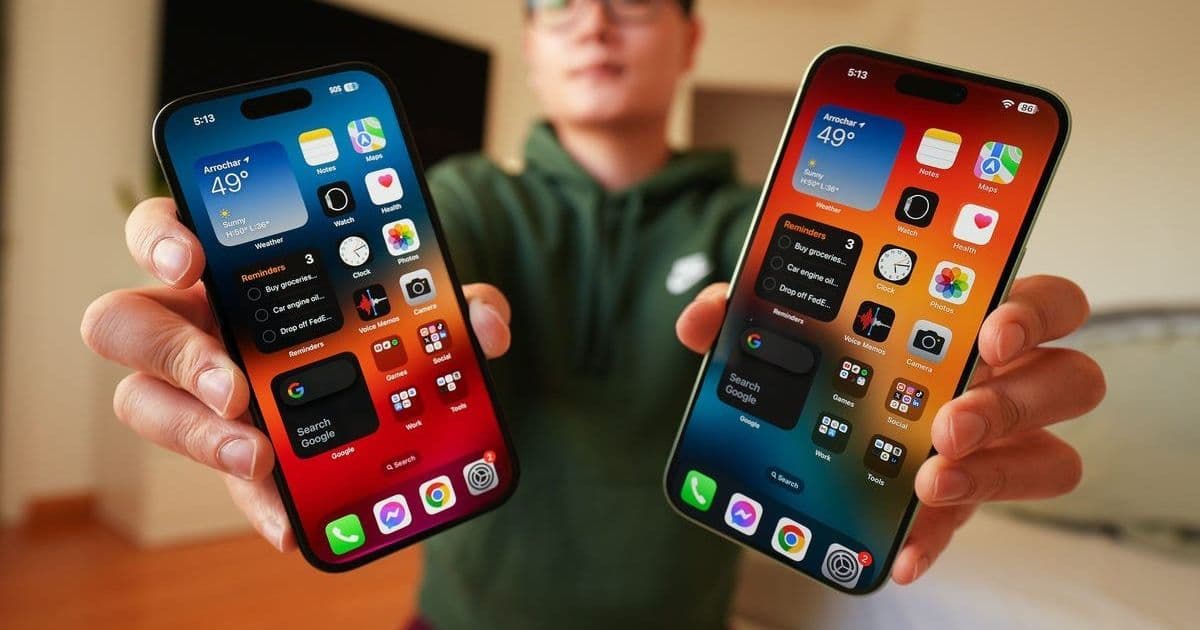
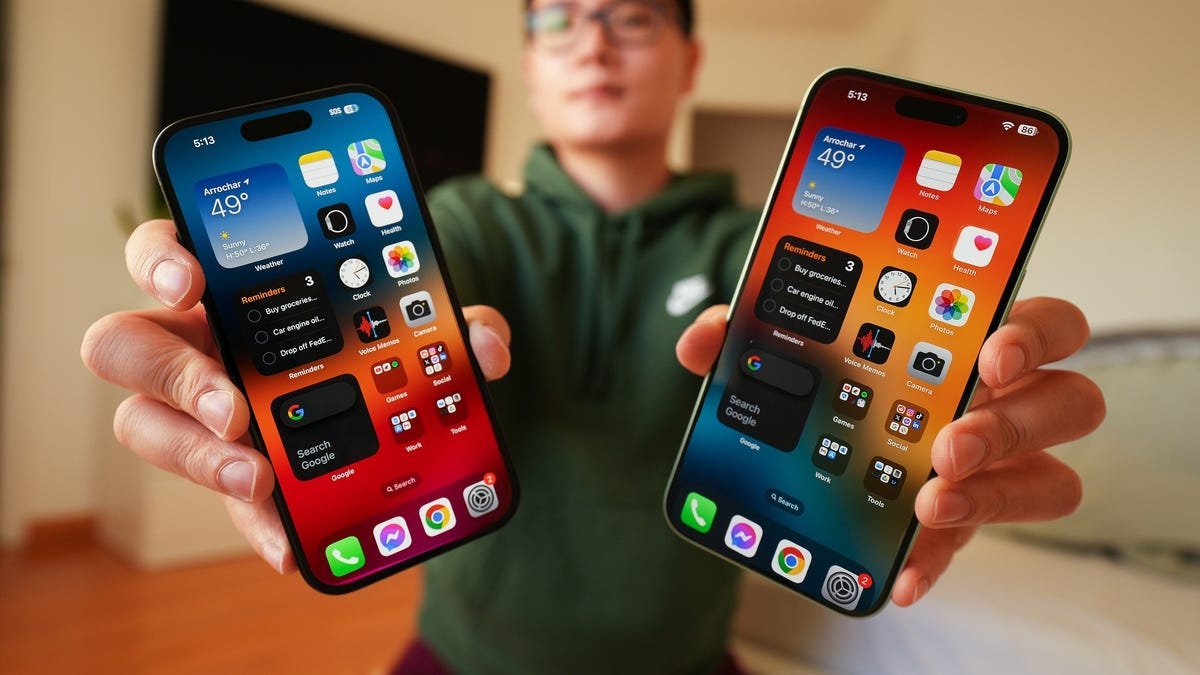
| Apple iPhone 15 | Software-only AI; opt-out/removal possible | Last non-hardware-AI iPhone; premium cost | iOS loyalists needing current-gen support |
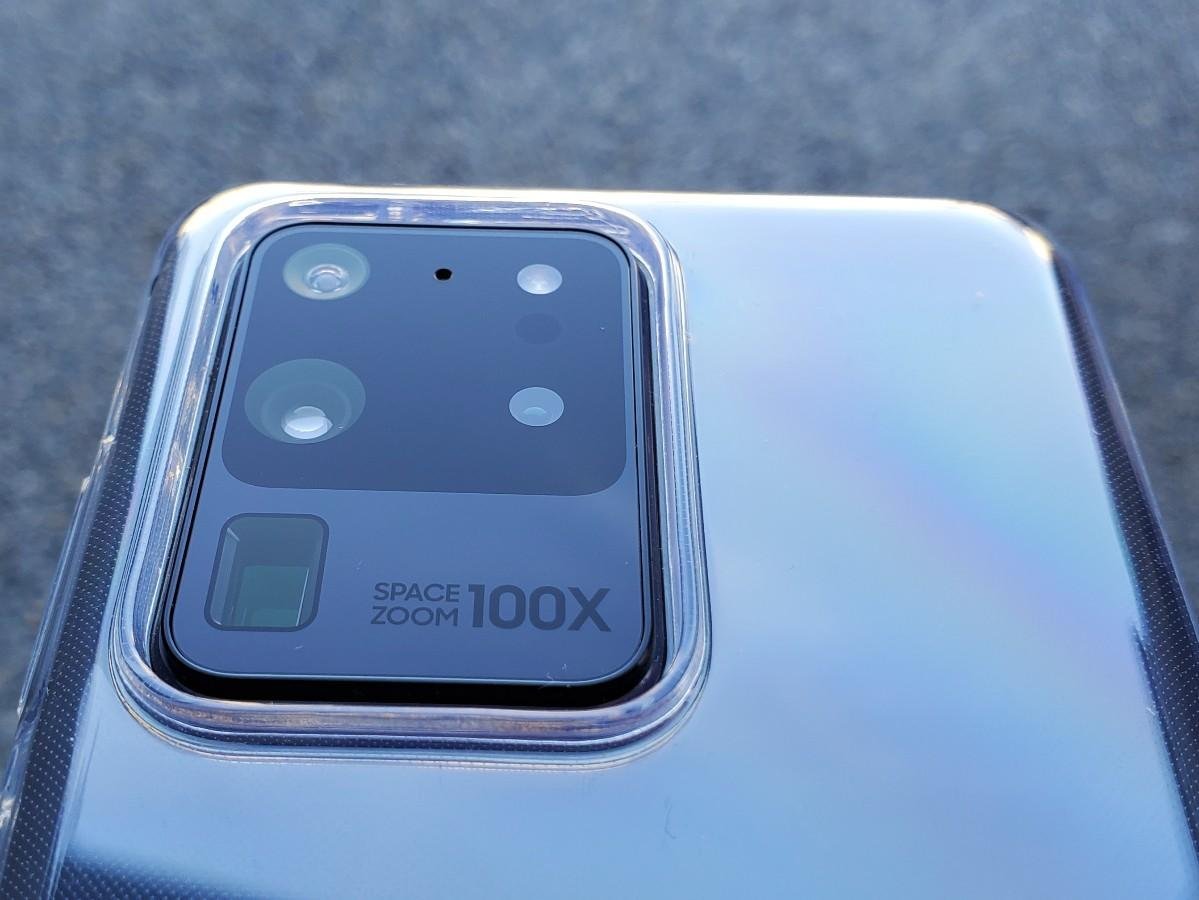
| Samsung S20 Ultra | No hardware or software AI support | Aging (2020); update uncertainty | Android users wanting complete AI absence |
| Google Pixel 7a | Software AI removable; Tensor G2 lacks NPU | Future update risks; mid-tier cameras | Value-focused Android users |
| Moto G Power (2025) | Ships without AI; MediaTek 6300 lacks NPU | Basic camera; no pro editing tools | Budget buyers needing modern specs & expandable storage |
| TCL Go Flip 2 | Hardware incapable of ML; basic functions only | No smart features; poor camera | Digital minimalists; privacy absolutists |
Deeper Technical & Privacy Implications
Choosing an AI-averse device isn't just preference—it's a security and resource allocation stance:
- Privacy Reinforcement: AI features like real-time transcription, photo analysis, and predictive typing often rely on continuous background data harvesting. Removing them reduces attack surfaces. "Hardware kill switches, like those on the Mudita Kompakt, offer physical assurance microphones and modems are dead—something software toggles can't guarantee," notes the review.
- Resource Reclamation: NPUs and background AI services consume significant power and compute cycles. Disabling them can yield tangible battery life gains, especially noticeable on older hardware like the S20 Ultra.
- Supply Chain Considerations: Tariffs impacting devices manufactured in China/Vietnam (like many iPhones and Samsung models) could make older, tariff-exempt devices like the Pixel 7a or Moto G Power more cost-effective.
The Hardware Modification Gamble: Attempting to disable hardware-level AI (e.g., on newer iPhones or Galaxy S24+ models) risks triggering security kill switches or causing voltage instabilities that permanently brick devices. Manufacturer EULAs often explicitly void warranties for such modifications. Software-level removal remains the only safe path for most users.
The Road Ahead: A Niche Market Solidifies
With Apple, Samsung, Google, and Motorola committing to hardware-AI integration in future releases, the window for new AI-free smartphones is closing. This cements the market for:
- Refurbished/Last-Gen Devices: iPhones 14/15, Pixel 7 series, pre-2023 Samsung flagships.
- Budget/Mid-Range Lines: Often slower to adopt cutting-edge silicon (e.g., Moto G Power).
- Purpose-Built Minimalist Phones: Devices like the TCL Go Flip 2 or Mudita Kompakt, prioritizing battery life and core functionality over connectivity.
For developers and tech leaders, this trend underscores a critical question: As AI becomes infrastructural rather than optional, how do we architect systems preserving genuine user agency without sacrificing modern functionality? The devices listed offer respite today, but the long-term solution demands a fundamental rethink of how tightly AI binds to our digital bedrock.
Source: ZDNET Testing Labs, Taylor Clemons & Alison DeNisco Rayome (August 8, 2025)
Comments
Please log in or register to join the discussion