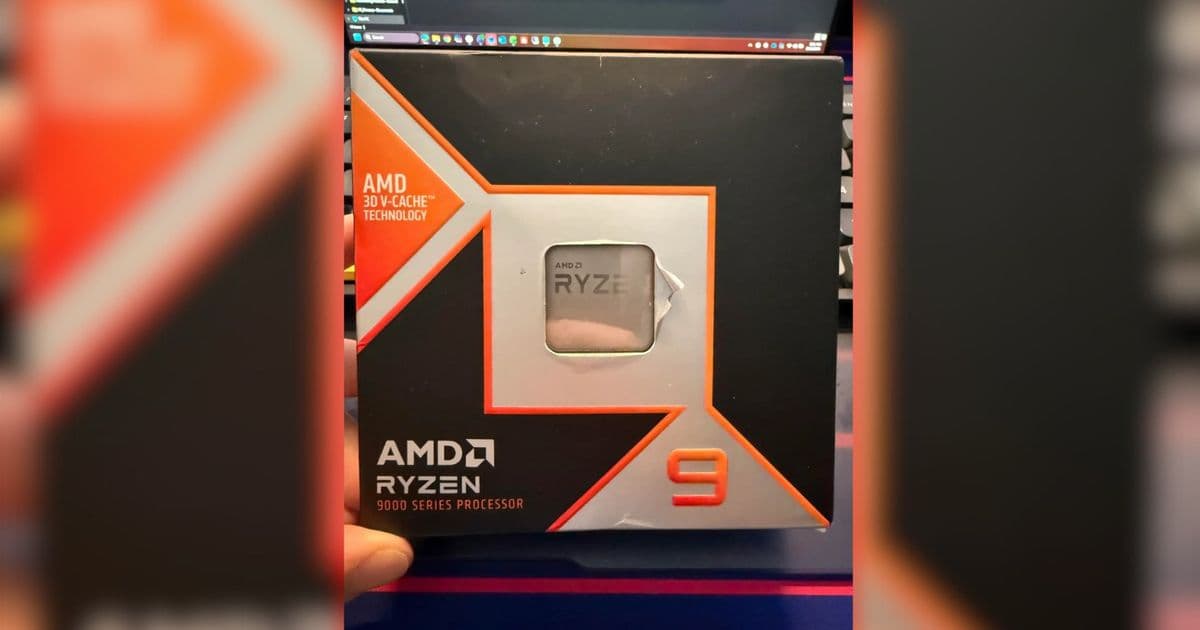
A Reddit user's attempt to save money on a 'like new' Ryzen 9 9900X3D from Amazon Warehouse turned into a costly scam when they received a 2019 Ryzen 9 3900X instead, highlighting the risks of buying open-box CPUs from major retailers.
A shocking case of CPU fraud has emerged on Reddit, where a shopper attempting to purchase a discounted Ryzen 9 9900X3D from Amazon Warehouse received a completely different processor instead. The incident, documented by user u/Leviathon6425, reveals a growing problem with Amazon's open-box marketplace and the risks consumers face when seeking deals on high-end computer components.
The Bait-and-Switch Discovery
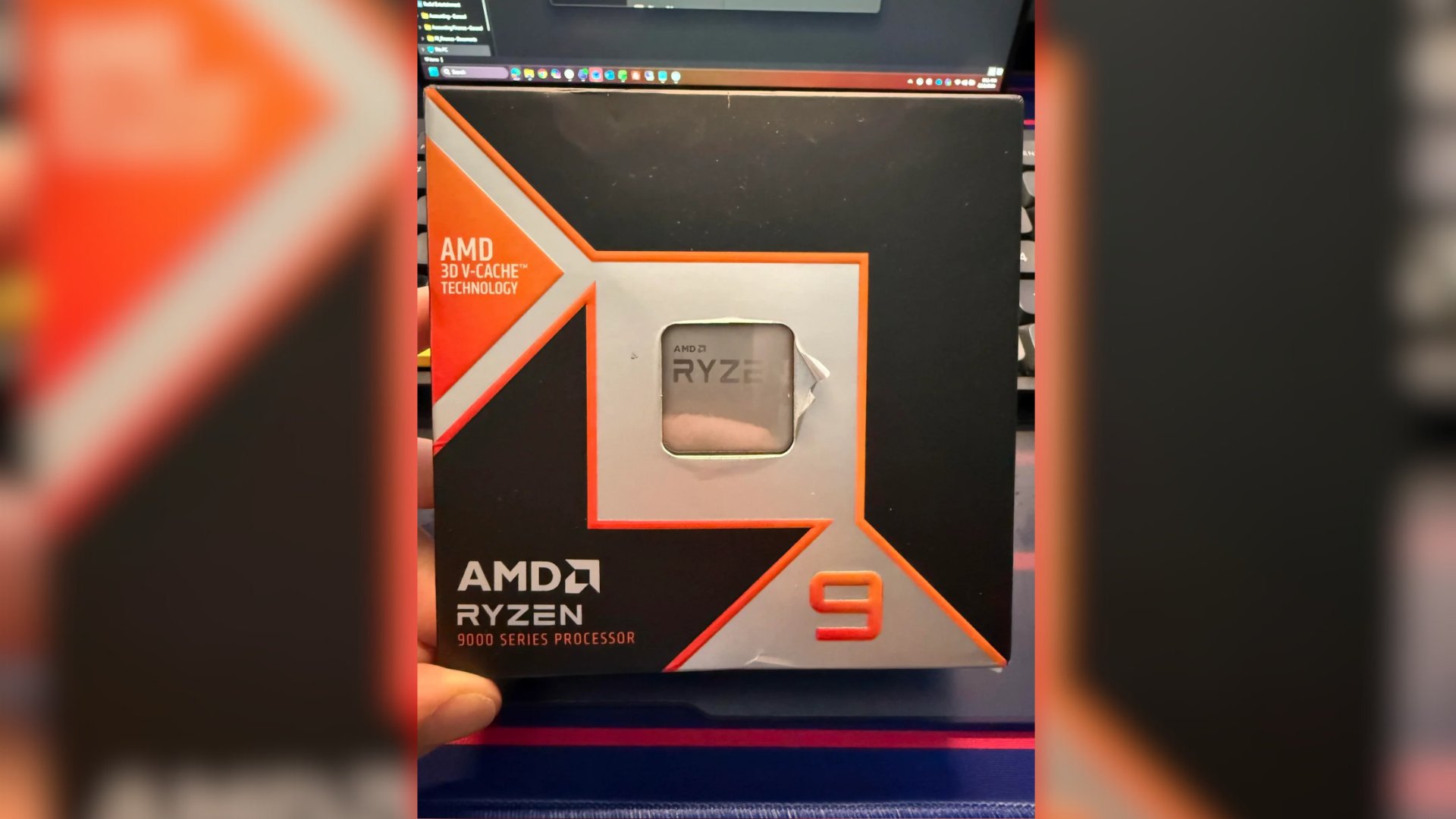
The victim ordered what they believed to be a "like new" Ryzen 9 9900X3D processor from Amazon Warehouse, expecting to receive AMD's latest high-performance gaming CPU at a reduced price. However, upon opening the package, several red flags immediately appeared. The processor was visible through the cutout in the retail box, and a copyright date of "2019 AMD" was clearly visible on the chip—a significant discrepancy for a processor that wasn't even released until 2025.
Even more telling was the physical appearance of the CPU. The squared-off perimeter visible through the packaging indicated an AM4 processor, not the AM5 design that the 9900X3D should have featured. AM5 chips have a distinctive notched frame serving as the integrated heat spreader (IHS), which would have been visible even from inside the sealed box.
The Financial Impact
The scam represents a substantial financial loss for the buyer. While the intended Ryzen 9 9900X3D currently retails for approximately $529.99 on both Newegg and Amazon, the processor they actually received—a Ryzen 9 3900X—is worth only around $150 in today's market. This represents a difference of nearly $380, turning what should have been a smart purchase into an expensive mistake.
The Ryzen 9 3900X, while a capable processor in its own right when released, is now several generations old and significantly less powerful than the 9900X3D, which features AMD's latest 3D V-Cache technology designed specifically for gaming performance.
How the Scam Works
This incident highlights a systematic problem with Amazon's returns and resale process. The scam typically operates through a simple but effective method: a buyer purchases the genuine, expensive CPU, replaces it with a much cheaper alternative, and returns the package to Amazon. Because Amazon's return inspection process often doesn't involve opening sealed CPU boxes or verifying the contents against serial numbers, the returned item gets relisted under the Amazon Warehouse "like new" category.
The next unsuspecting customer then purchases what they believe to be a discounted high-end processor, only to discover they've been sent an older, less valuable chip. By this point, the original scammer has already received their refund and kept the genuine CPU, while Amazon absorbs the loss through its generous return policy.
Growing Trend of Component Fraud
This case is far from isolated. Similar incidents have been reported across various online marketplaces, with some buyers receiving boxes filled with rocks, pasta, or other worthless items instead of the computer components they ordered. The CPU market, with its high-value, small-sized products, has become particularly attractive to fraudsters.
The problem is exacerbated by the current semiconductor market dynamics. High-end CPUs like the Ryzen 9 9900X3D command premium prices, making the potential profit from such scams substantial enough to justify the risk for criminals. Meanwhile, the complexity of verifying CPU authenticity without specialized knowledge makes it difficult for retailers to catch these scams before the products reach consumers.
Expert Recommendations
Industry experts and community members have responded to this incident with strong warnings about purchasing open-box computer components, particularly from large online retailers. The consensus is clear: the risk of receiving a fraudulent or damaged product far outweighs the potential savings.
"There's really no solution to this problem other than not buying from Amazon's open-box market," one commenter noted, a sentiment echoed throughout the discussion thread. The financial incentives for Amazon to implement more rigorous inspection procedures are minimal, as the company can simply issue double refunds (to both the scammer and the victim) without significant impact on its bottom line.
Safer Alternatives for CPU Purchases
For consumers looking to purchase high-end processors without risking fraud, several alternatives exist:
Brick-and-mortar retailers like Micro Center offer the advantage of physical inspection before purchase and more reliable return processes. Customers can verify the product themselves before leaving the store, eliminating the possibility of receiving a switched item.
Dedicated online retailers such as Newegg, while not immune to fraud, typically have more specialized knowledge and procedures for handling high-value computer components. Their return and verification processes are often more stringent than those of general retailers.
Manufacturer direct purchases from AMD or authorized distributors provide the highest level of security, though often at full retail price without the discounts available through secondary markets.
The Broader Impact on Consumer Confidence
Incidents like this erode consumer confidence in online marketplaces for high-value electronics. When a trusted retailer like Amazon cannot guarantee the authenticity of "like new" products, it creates hesitation among buyers who might otherwise take advantage of legitimate discounts on open-box items.
The semiconductor industry has responded to similar fraud issues in the past with various anti-counterfeiting measures, including holographic labels, serialized verification systems, and tamper-evident packaging. However, these measures are designed to prevent the sale of counterfeit products, not the fraudulent switching of genuine but different items.
Moving Forward: Consumer Protection
As online shopping continues to dominate retail, particularly for specialized technology products, the need for better consumer protection mechanisms becomes increasingly apparent. Some potential solutions include:
- Enhanced inspection protocols for high-value returns, including mandatory verification of serial numbers and physical inspection of sealed packages
- Blockchain-based verification systems that would allow buyers to verify a product's chain of custody before purchase
- Third-party authentication services that could verify the authenticity and condition of high-value components before resale
- Improved packaging security that would make it more difficult to open and reseal products without detection
Until such measures are implemented, consumers must weigh the potential savings of open-box purchases against the very real risk of receiving something entirely different from what they ordered. In the case of the Ryzen 9 9900X3D buyer, what seemed like a smart way to save money on a top-tier processor turned into an expensive lesson about the risks of online component shopping.
The incident serves as a stark reminder that in the world of high-value computer components, if a deal seems too good to be true, it often is. The $380 difference between the Ryzen 9 3900X and the 9900X3D represents not just a financial loss, but the frustration and inconvenience of dealing with returns, the potential loss of time while waiting for refunds, and the erosion of trust in online retail platforms.
As the semiconductor market continues to evolve and component prices remain high, consumers must remain vigilant and informed about the risks associated with discounted products, particularly in secondary markets. The convenience of online shopping comes with responsibilities for both retailers and buyers to ensure transactions remain secure and trustworthy.
Comments
Please log in or register to join the discussion