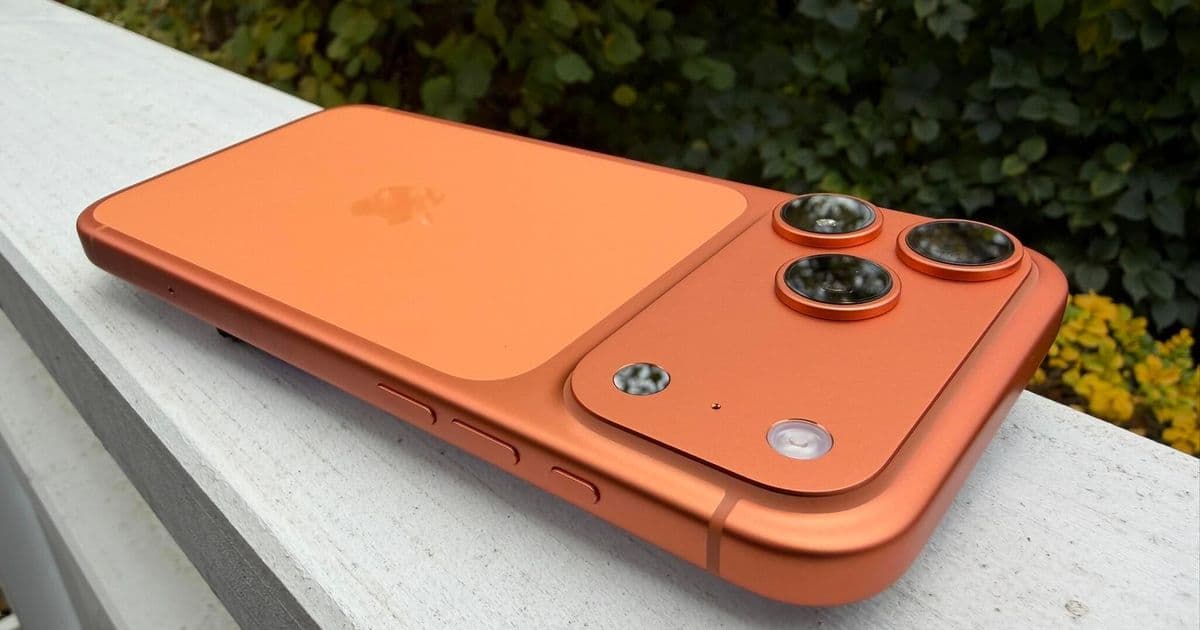
Apple's iPhone 18 lineup may adopt eSIM-only technology worldwide, following successful US trials that enabled larger batteries by eliminating physical SIM slots.
The iPhone 18 family could mark a significant shift in Apple's global strategy, with the entire lineup potentially adopting eSIM-only technology across all markets. This move, which has already been implemented in US models of the iPhone 17 Pro, would allow Apple to increase battery capacities across its entire 2026 lineup, bringing the benefits previously reserved for American customers to users worldwide.
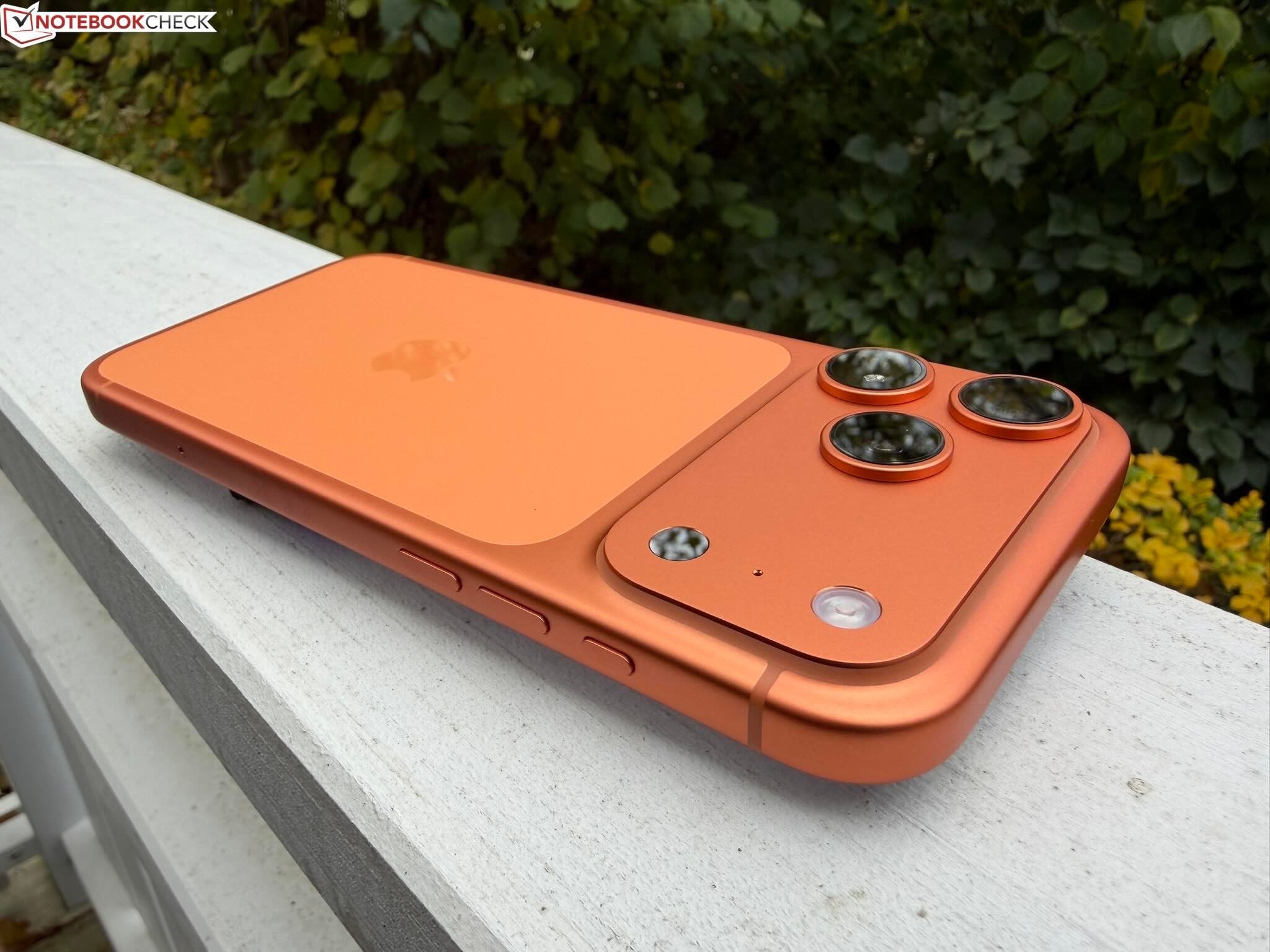
The eSIM Advantage: More Space for Battery
The transition to eSIM-only technology represents more than just a change in how users connect to cellular networks. By eliminating the physical SIM card slot, Apple gains valuable internal space that can be repurposed for larger batteries. This design choice has already proven successful in the US market, where iPhone 17 Pro models without SIM slots have enjoyed slightly larger battery capacities compared to their international counterparts.
The space savings from removing the SIM tray may seem minimal, but in the tightly packed internals of modern smartphones, every cubic millimeter counts. Apple's engineers can use this additional space to either increase battery capacity or optimize other internal components for better performance and efficiency.
Global Rollout Considerations
While the benefits of larger batteries would be welcome news for iPhone users worldwide, the transition to eSIM-only technology presents challenges in certain markets. Regions where eSIM adoption is not as prevalent may face difficulties adapting to this change. Mobile carriers in these areas might need to upgrade their infrastructure and support systems to accommodate eSIM provisioning and management.
Apple will likely need to work closely with carriers globally to ensure a smooth transition. The company has a history of pushing technological boundaries, but also understands the importance of maintaining strong carrier relationships. Market-specific considerations may be necessary to address the varying levels of eSIM readiness across different regions.
Battery Capacity Expectations
According to reports from Techmaniacs, the iPhone 18 Pro Max could feature a battery capacity ranging from 5,100 to 5,200 mAh. While this falls short of the capacities offered by some Chinese flagship devices that utilize Silicon-Carbon technology, it represents a meaningful improvement over previous iPhone models.
To put this in perspective, the iPhone 17 Pro Max currently ships with a 4,685 mAh battery. A jump to 5,100-5,200 mAh would represent approximately a 9-11% increase in capacity, which could translate to several additional hours of usage depending on the efficiency improvements in the A20 Pro chip and other components.
The iPhone 18 Family: What to Expect
The iPhone 18 lineup is expected to launch in September 2026, alongside the highly anticipated iPhone Fold. This staggered release strategy allows Apple to maintain consumer interest throughout the year, with the more premium iPhone 18 Pro models arriving in the fall and the standard iPhone 18 models following in early 2027.
Beyond the battery improvements, the iPhone 18 Pro lineup is rumored to receive several other significant upgrades:
- A slimmer Dynamic Island for a more seamless display experience
- A thicker and heftier build that may accommodate the larger battery and improved cooling systems
- A rear camera setup featuring variable aperture technology for better low-light performance
- Upgraded sensors across the camera system
- The A20 Pro SoC built on TSMC's advanced 2nm process, promising significant performance and efficiency gains
The Competitive Landscape
While Apple's battery capacity improvements are noteworthy, they still lag behind some competitors in raw numbers. Chinese manufacturers have been pushing the boundaries with Silicon-Carbon battery technology, achieving capacities that exceed 6,000 mAh in some flagship devices.
However, Apple has traditionally focused on the overall user experience rather than competing solely on specifications. The combination of hardware and software optimization, along with the efficiency gains from the 2nm process, may allow the iPhone 18 Pro to deliver competitive battery life despite having lower nominal capacity than some rivals.
Market Impact and Consumer Considerations
The global transition to eSIM-only iPhones could accelerate the adoption of eSIM technology worldwide. As one of the largest smartphone manufacturers makes this shift, carriers and consumers alike will need to adapt. This could lead to improved eSIM infrastructure and support across more markets, benefiting not just iPhone users but the broader smartphone ecosystem.
For consumers, the trade-off between the convenience of physical SIM cards and the benefits of larger batteries will be a key consideration. While eSIM technology offers advantages like the ability to have multiple numbers on a single device and easier carrier switching, some users may be hesitant to give up the physical SIM option, particularly those who frequently travel to areas with limited eSIM support.
Looking Ahead
The iPhone 18 represents Apple's continued commitment to innovation and user experience. By making design decisions that prioritize battery life—a feature consistently cited as important by smartphone users—Apple is addressing one of the most common pain points in mobile technology.
The success of this strategy will depend on how well Apple manages the global transition to eSIM technology and whether the promised battery improvements translate to meaningful real-world usage gains. As we approach the expected September 2026 launch, more details will undoubtedly emerge about Apple's plans for its next-generation iPhone lineup.
For now, the prospect of larger batteries across the entire iPhone 18 family is certainly welcome news for Apple enthusiasts and smartphone users in general. The combination of increased battery capacity, the efficiency of the A20 Pro chip, and Apple's renowned software optimization could make the iPhone 18 one of the longest-lasting iPhones yet.
Comments
Please log in or register to join the discussion