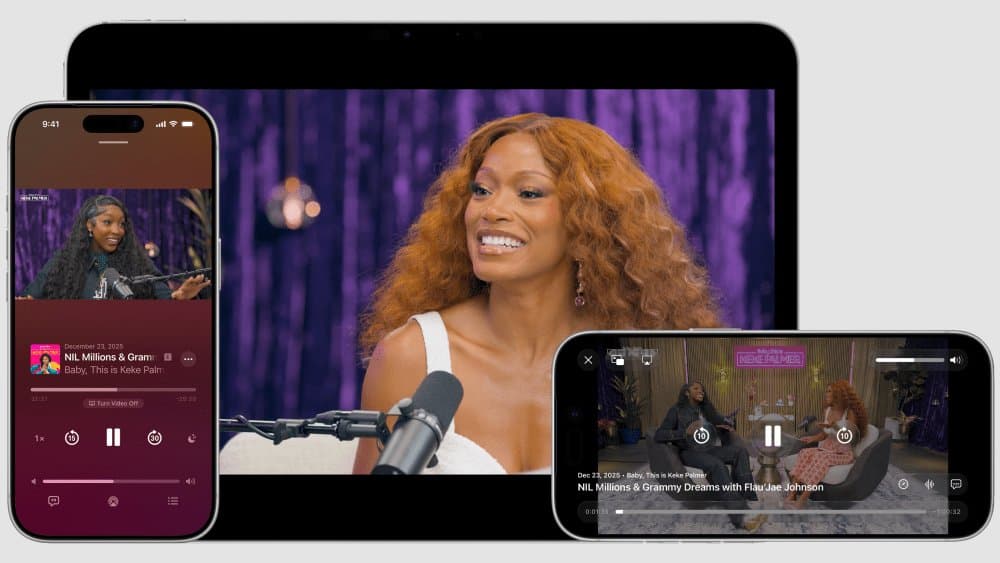
Apple announces advanced video capabilities for Apple Podcasts this spring, allowing users to switch between watching and listening, as the company seeks to compete with Spotify's growing video podcast offerings.
Apple is set to transform its podcasting platform with the introduction of advanced video capabilities this spring, marking a significant shift in the audio streaming landscape. The company announced that users will soon be able to seamlessly switch between watching and listening to shows, positioning Apple Podcasts to compete more directly with Spotify's expanding video podcast offerings.
This move represents Apple's recognition of the growing convergence between audio and video content consumption. While podcasts have traditionally been an audio-only medium, platforms like Spotify have been investing heavily in video podcasts, featuring high-profile creators and exclusive content. Apple's decision to add video capabilities suggests the company sees video as essential to maintaining its competitive position in the podcasting market.
The timing is strategic. Spotify has been aggressively expanding its video podcast catalog, signing deals with creators and investing in original video content. By adding video capabilities, Apple can offer creators a more comprehensive platform that supports both audio and video formats, potentially attracting talent who might otherwise choose Spotify.
For users, the ability to switch between watching and listening represents a significant enhancement to the podcast experience. Commuters might prefer audio-only during their drive but switch to video when at home or in the office. This flexibility could make Apple Podcasts more appealing to users who consume content across different contexts throughout their day.
The announcement comes as part of Apple's broader strategy to enhance its services ecosystem. With hardware sales facing challenges in certain markets, services like Apple Music, Apple TV+, and now enhanced Apple Podcasts represent growing revenue streams for the company. Video podcasts could also drive increased engagement with the platform, potentially leading to higher subscription rates for Apple's broader services bundle.
Industry analysts note that this move could accelerate the trend toward video podcasts becoming the norm rather than the exception. As more platforms support video, creators may feel pressure to produce video content to remain competitive, potentially changing the economics of podcast production.
However, the transition to video podcasts presents challenges. Producing video content requires significantly more resources than audio-only podcasts, potentially creating barriers for independent creators. Apple will need to ensure its platform remains accessible to smaller creators while also attracting high-profile talent with video capabilities.
The spring launch timeline suggests Apple is moving quickly to implement these changes, likely in response to competitive pressure from Spotify and other platforms. The company has historically been cautious about expanding into new content formats, making this announcement particularly noteworthy as a sign of the evolving media landscape.
As the podcasting industry continues to mature, the addition of video capabilities represents another step in the medium's evolution from a niche audio format to a more comprehensive multimedia experience. Apple's entry into video podcasts could accelerate this transformation, potentially reshaping how millions of users consume podcast content.
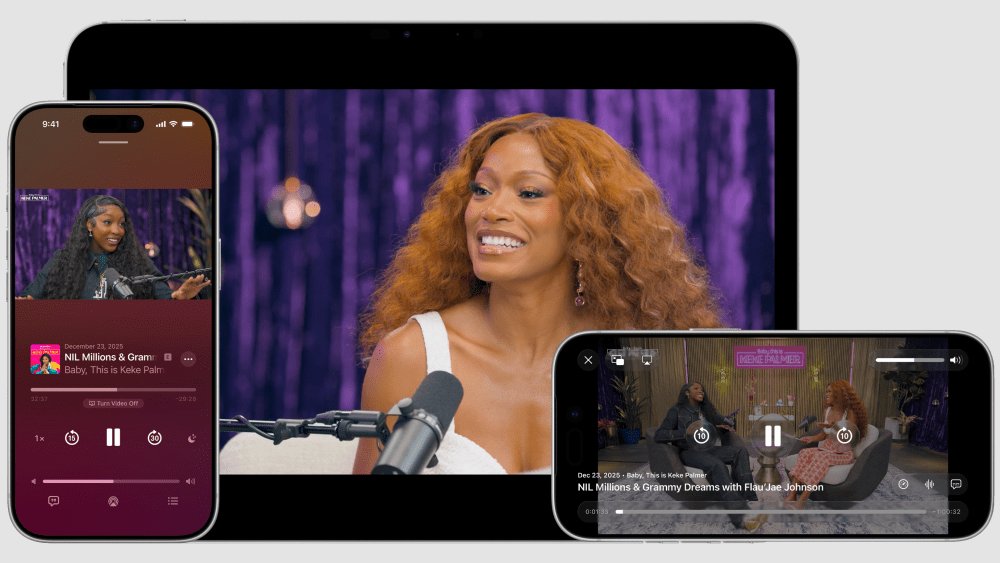
The move also raises questions about the future of audio-only podcasts. While video offers new creative possibilities, some creators and listeners value the intimacy and accessibility of traditional audio formats. Apple will need to balance these competing preferences as it rolls out its video capabilities.
For Spotify, Apple's announcement represents a direct challenge to its video podcast strategy. The Swedish company has invested heavily in video content and exclusive deals, positioning itself as the leader in this emerging format. Apple's entry could intensify competition for both creators and listeners in the podcasting space.
As spring approaches, the podcasting industry will be watching closely to see how Apple implements these video capabilities and how creators and users respond to the new format options. The success of this initiative could determine whether video becomes the standard for podcasts or remains a complementary format to traditional audio content.
Comments
Please log in or register to join the discussion