
AT&T has introduced the amiGO Jr., a Samsung-manufactured mid-tier smartphone targeting children aged 6-12, featuring granular parental controls managed via subscription.
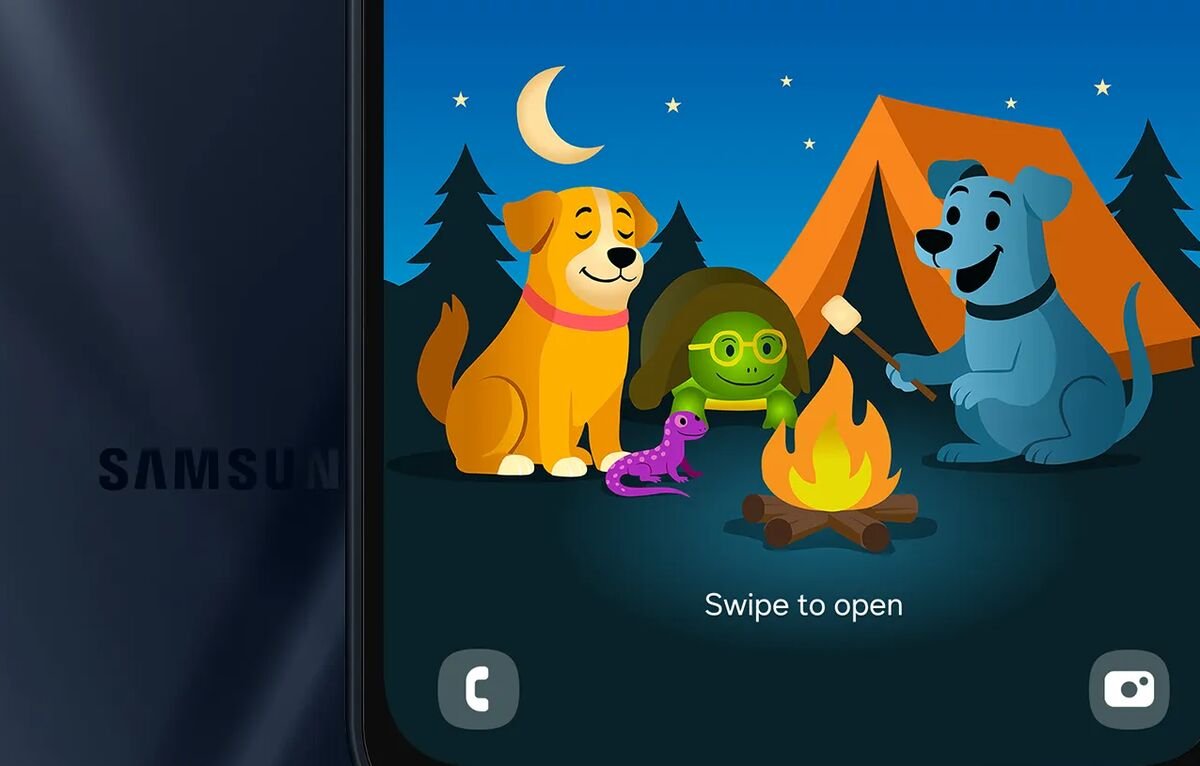
AT&T has launched the amiGO Jr., a new smartphone designed specifically for children aged 6-12. Manufactured by Samsung, the mid-tier device includes comprehensive parental controls accessible through a $2.99/month subscription service. The controls allow parents to manage contacts, app permissions, screen time limits, and location tracking.
What's Claimed
AT&T positions the amiGO Jr. as a "safe entry point to digital responsibility," emphasizing features like:
- Contact approval: Parents manually authorize all incoming/outgoing calls and messages
- App whitelisting: Only parent-approved applications are installable
- Time restrictions: Scheduled device lockdowns (e.g., during school hours)
- Location sharing: Real-time GPS tracking
The service requires AT&T's Secure Family Premium subscription ($2.99/month), which also includes content filtering and geofencing alerts.
What's Actually New
While kid-focused phones aren't novel (competitors include Gabb Wireless and Pinwheel), amiGO Jr.'s implementation has distinct aspects:
- Hardware sourcing: Repurposes Samsung's A-series mid-tier hardware (exact model unspecified), providing LTE connectivity without high-end specs that might distract children.
- Subscription model: Unlike one-time-purchase competitors, AT&T monetizes ongoing control features via subscription.
- Carrier integration: Deep OS-level restrictions leverage AT&T's network for real-time enforcement, preventing workarounds like SIM swapping.
Limitations and Considerations
- Cost structure: The $2.99/month fee adds $36/year to service plans, potentially exceeding hardware costs over time.
- Data privacy: All parental controls require data processing through AT&T's servers, raising questions about long-term data retention for minors.
- Device limitations: Mid-tier specs may frustrate older children; no details on software update commitments.
- Market positioning: Targets younger demographics than apps like Google's Family Link, but lacks integrations with non-AT&T devices.
Practical Applications
The device addresses genuine concerns about children's first phones:
- Gradual independence: Allows communication with parents/safe contacts before full smartphone access
- Reduced distraction: Absence of social media/app stores minimizes addictive behaviors
- Emergency readiness: Reliable calling/texting without exposure to open internet
Industry analysts note this reflects carriers' push toward service-based revenue in saturated hardware markets. However, the subscription requirement may deter cost-conscious families when standalone parental control apps exist.
Comments
Please log in or register to join the discussion