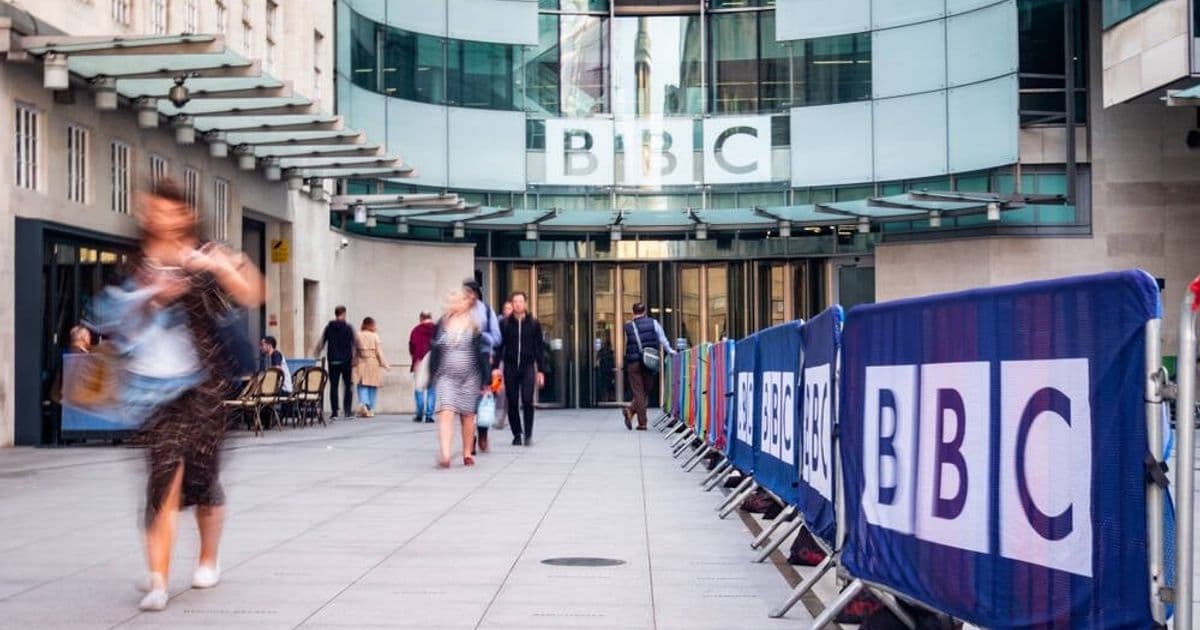
UK viewers will pay £180 annually for the BBC license fee starting April 2026 – surpassing basic Netflix subscriptions – as inflation-linked increases continue despite debates about the broadcaster's funding model.
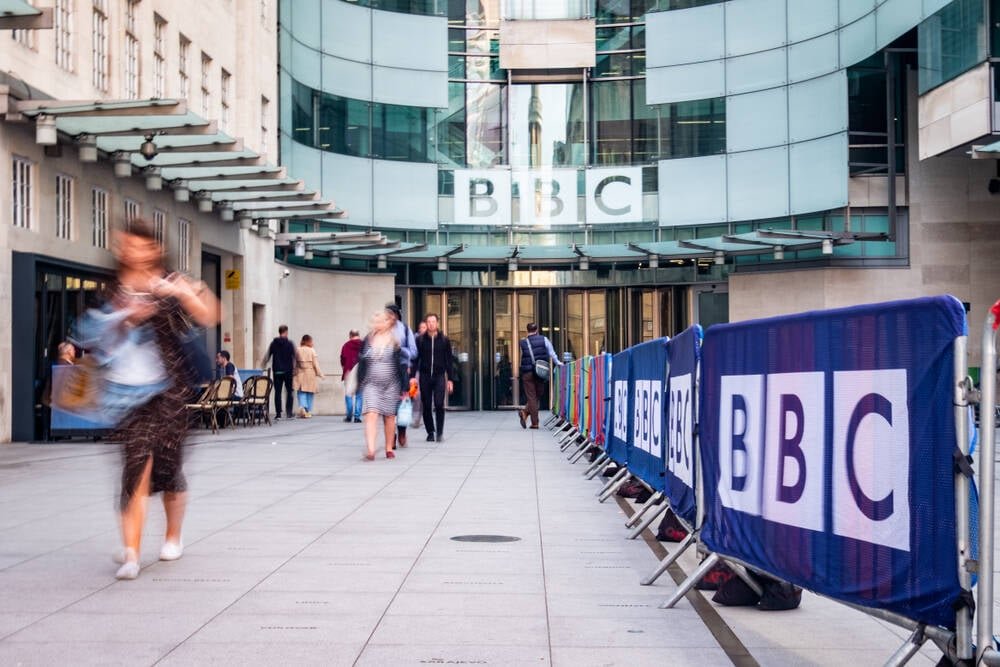
The UK government has confirmed a £5.50 increase to the BBC television license fee, raising the annual cost to £180 starting April 2026. This inflation-linked hike reflects the Consumer Prices Index (CPI) adjustment baked into the 2022 funding settlement, placing the mandatory fee higher than entry-level streaming subscriptions like Netflix's basic plan.
Unlike optional streaming services, the license fee remains legally compulsory for all UK households watching or recording live television broadcasts on any channel – including via laptops, tablets, or phones – or accessing BBC iPlayer content. Enforcement officers monitor compliance, with penalties including £1,000 fines and court prosecution for evasion.
Impacted viewers face this increase during a cost-of-living crunch where entertainment budgets are scrutinized. While Netflix offers tiers below £180 annually, the BBC fee covers live programming across all UK broadcasters – not just BBC content. Discounts exist for vulnerable groups: pensioners receiving Pension Credit qualify for free licenses, registered blind individuals receive 50% discounts, and care home residents may access reduced rates. The niche black-and-white license rises to £60.50.
This increase occurs amid existential debates about the BBC's funding model. Culture Secretary statements confirm the license fee's future will be renegotiated during Royal Charter discussions post-2027. The inflation-tied adjustments provide temporary stability as the BBC contends with:
- Rising production costs exceeding inflation
- Streaming giants investing billions in content
- Public scrutiny over public service broadcasting scope
- Declining linear TV viewership among younger demographics
For households, the hike intensifies pressure to justify the fee's value against streaming alternatives. Ministers acknowledge this tension, stating the current model offers "predictable funding" while broader reforms are explored. With enforcement continuing unchanged, viewers must now budget £15 monthly to legally access live TV – a requirement unaffected by streaming subscriptions.
The fee's long-term viability remains uncertain, but for 2026/27, UK residents face a clear choice: pay £180, navigate complex exemption criteria, or risk legal action by disconnecting from live broadcasts entirely.
Comments
Please log in or register to join the discussion