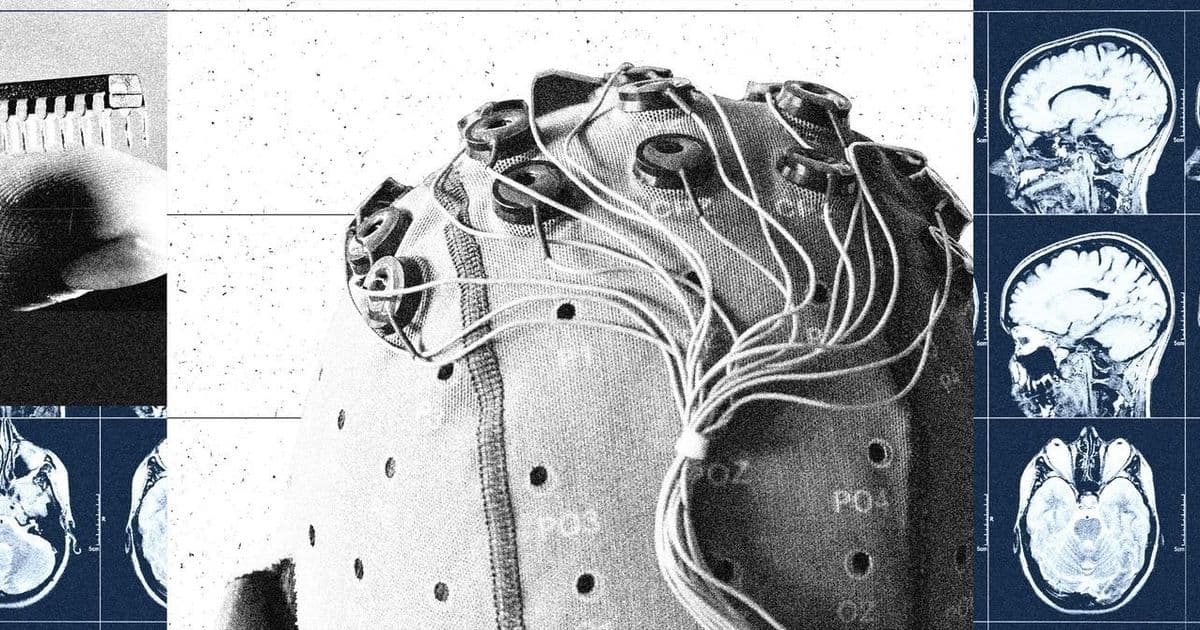
China has unveiled an ambitious national strategy to dominate brain-computer interface technology by 2030, challenging US leaders like Neuralink. The policy roadmap targets breakthroughs in neural implants and wearables for medical rehabilitation and industrial safety, signaling a new frontier in the US-China tech competition.
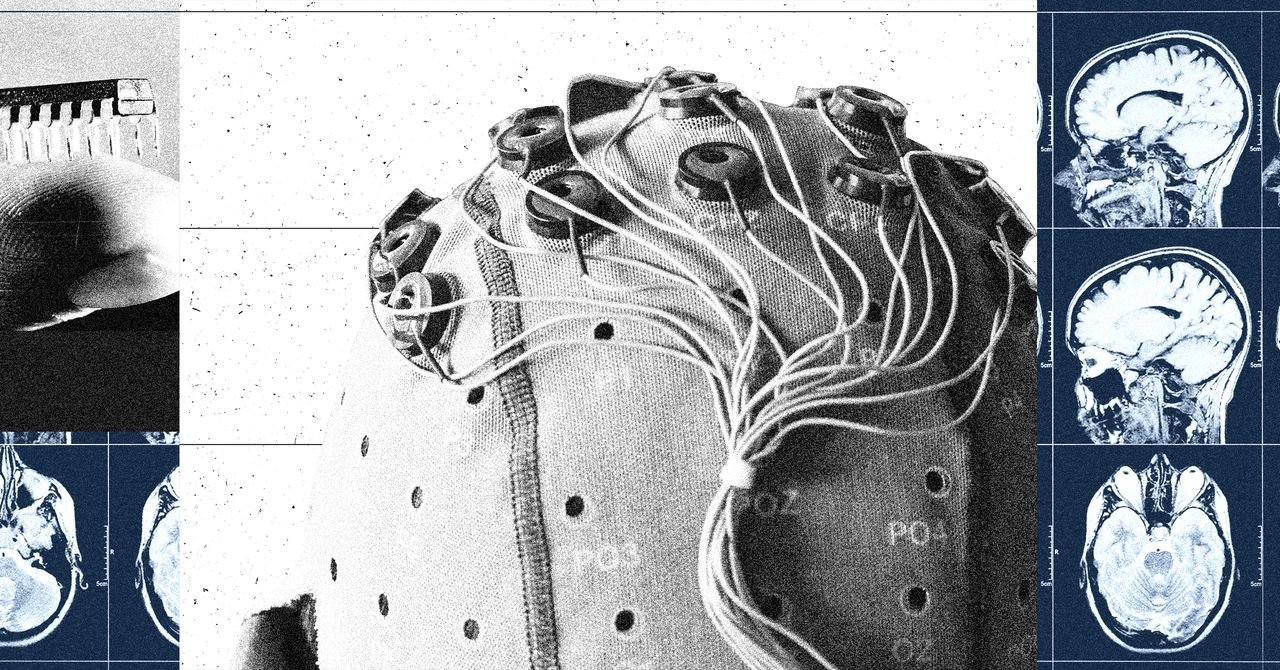
China has formally declared its intention to become a global leader in brain-computer interface (BCI) technology through a comprehensive national policy framework. Jointly issued by seven government agencies including the Ministry of Industry and Information Technology, the document outlines concrete steps to achieve BCI breakthroughs by 2027 and establish an "internationally competitive" industry by 2030. This positions China as a formidable challenger to US companies like Elon Musk's Neuralink, Synchron, and Paradromics that currently lead the field.
The Neurotech Gold Rush
BCIs create direct communication pathways between brains and external devices, decoding neural signals to control computers, robotic limbs, or communication tools. While researched since the 1970s, recent advances in miniaturization and AI-powered signal interpretation have revived commercial interest—particularly for assisting paralyzed patients. China's policy acknowledges this medical potential while ambitiously expanding into consumer and industrial applications.
"China is strong at translating basic research into practical uses," notes Max Riesenhuber, neuroscience professor at Georgetown University Medical Center. "We've seen that in photovoltaics and electric cars. Now BCI is another area where that's going to be critical."
The Chinese BCI Landscape
Several Chinese companies have already achieved significant milestones:
- NeuroXess (Shanghai): Successfully implanted six paralyzed patients, enabling thought-controlled digital devices and Chinese speech decoding
- NeuCyber NeuroTech (Beijing): Developed the coin-sized Beinao-1 chip implanted in five patients, allowing cursor control and app navigation
- Chinese Institute for Brain Research: Spearheading fundamental research with government backing
Minmin Luo, director of the Chinese Institute for Brain Research, confirms the practicality of the policy goals: "It is basically an engineering project, with not so ambitious goals. Already, there are so many people working on it." He estimates 1-2 million Chinese patients could immediately benefit from assistive BCIs.
Beyond Medicine: The Policy Blueprint
The 17-point strategy targets:
- Advanced neural signal capture chips
- AI-driven signal decoding software
- Manufacturing standardization
- Non-invasive wearable BCIs (headsets, earbuds, glasses)
- Industrial safety systems for mining, nuclear facilities, and hazardous environments
Notably, China envisions BCIs monitoring driver alertness to prevent accidents and providing early warnings for oxygen deprivation or poisoning in high-risk workplaces. Phoenix Peng, CEO of NeuroXess, predicts consumer devices will see explosive growth: "China is the biggest consumer electronics manufacturing country."
The Global Implications
While framing a technological rivalry with the US, industry leaders emphasize collaboration. "We can cooperate to build something for patients desperate for this technology," Peng insists, distancing the field from geopolitics. Yet the systematic approach—combining ethical guidelines, manufacturing scale, and state coordination—echoes China's playbook in semiconductors and EVs.
As Riesenhuber observes, the policy creates "an umbrella of activities needed to become a leader in BCI, not just in research, but in actually getting it into the mainstream." With both superpowers now racing toward practical neurotechnology, the next neural frontier may arrive sooner than expected.
Source: Wired
Comments
Please log in or register to join the discussion