
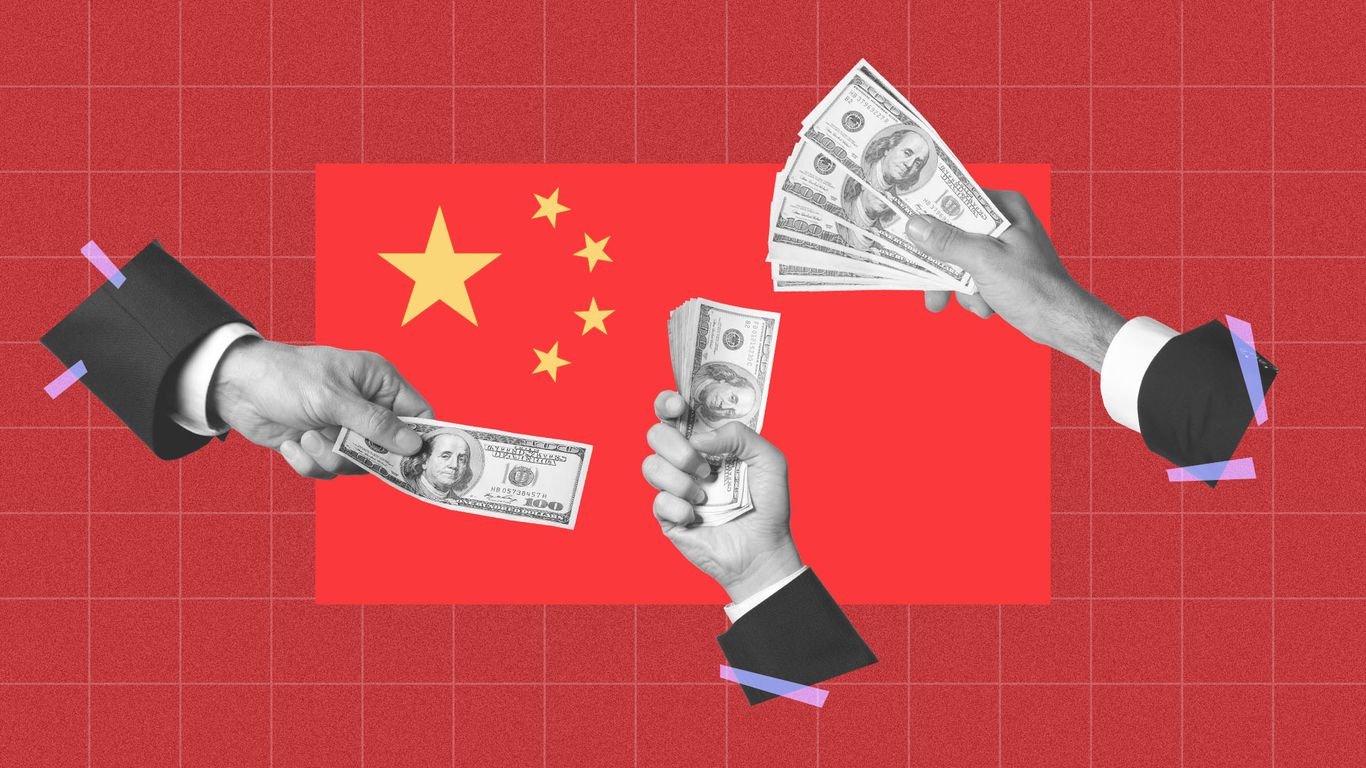
China's ambitions to challenge the US dollar's global dominance face significant structural hurdles despite growing economic power.
China is making moves to challenge the US dollar's dominance in global finance, but the path forward is far more complex than Beijing might hope. While China's economic rise has been remarkable, displacing the world's reserve currency requires overcoming entrenched systems and deep-seated trust issues that money alone cannot solve.
The Dollar's Current Position
The US dollar currently accounts for approximately 60% of global foreign exchange reserves and is used in about 40% of international payments. This dominance stems from decades of trust in American institutions, the depth of US financial markets, and the dollar's role in pricing key commodities like oil.
China's renminbi, by contrast, represents only about 3% of global reserves. Despite being the world's second-largest economy, China's currency lacks the international acceptance and stability that underpin the dollar's reserve status.
China's Strategic Moves
Beijing has been systematically working to internationalize the renminbi through several channels:
- Belt and Road Initiative: Using infrastructure investments to encourage trade partners to accept RMB payments
- Currency Swap Agreements: Establishing bilateral arrangements with over 40 countries
- Digital Yuan: Developing a central bank digital currency to facilitate cross-border transactions
- Hong Kong as Financial Hub: Positioning the territory as a gateway for RMB internationalization
These efforts have seen some success in regional trade, particularly with countries heavily dependent on Chinese investment. However, the scale remains limited compared to dollar-based transactions.
The Trust Deficit
The fundamental obstacle to RMB internationalization isn't technical but institutional. China's capital controls, state-directed economy, and concerns about arbitrary policy changes create hesitation among foreign investors and central banks.
Unlike the US, where the Federal Reserve operates with relative independence and the rule of law provides predictable frameworks, China's financial system remains subject to political considerations. This unpredictability makes the renminbi less attractive as a store of value for long-term reserves.
The Dollar's Resilience
Despite predictions of American decline, the dollar has maintained its position through multiple crises. During periods of global uncertainty, investors consistently seek the safety of US Treasury bonds and dollar-denominated assets.
This "flight to safety" dynamic reinforces the dollar's dominance in a self-perpetuating cycle: the more people use dollars in crises, the more central banks hold dollars as reserves, which further entrenches dollar usage.
What Would It Take?
For China to seriously challenge dollar dominance, several conditions would need to align:
- Full Currency Convertibility: Removing capital controls that restrict RMB movement
- Independent Monetary Policy: Allowing market forces to determine interest rates and exchange rates
- Transparent Legal System: Providing foreign investors with predictable dispute resolution
- Deep Financial Markets: Developing liquid bond and equity markets comparable to US markets
- Strategic Patience: Accepting short-term volatility for long-term internationalization
None of these changes align with China's current economic model or political priorities. The Communist Party's control over financial flows and information remains a cornerstone of its governance approach.
The Digital Angle
China's digital yuan represents an interesting technological approach to bypassing traditional financial infrastructure. By creating a state-controlled digital currency, Beijing hopes to facilitate cross-border transactions without relying on dollar-based systems like SWIFT.
However, technology alone cannot overcome the trust deficit. Countries considering adoption of the digital yuan must weigh the convenience against the implications of increased Chinese surveillance and potential sanctions exposure.
The Real Impact
The more likely scenario isn't a sudden shift away from dollars but a gradual fragmentation of the global financial system. Countries may increasingly use RMB for bilateral trade with China while maintaining dollar reserves for broader international transactions.
This "multi-currency" world would reduce dollar dominance without eliminating it, creating new complexities for global trade and finance. The US would lose some leverage over international transactions, but the dollar would remain the primary reserve currency for the foreseeable future.
Looking Ahead
China's challenge to dollar dominance represents a long-term strategic goal rather than an imminent threat. The gap between China's economic size and its currency's international role reflects deeper institutional differences that cannot be easily bridged.
While China will continue expanding RMB usage in trade and investment, displacing the dollar as the world's reserve currency requires changes to China's economic model that would fundamentally alter the nature of its political system. That's a price Beijing appears unwilling to pay, making the dollar's dominance more secure than many realize.
Comments
Please log in or register to join the discussion