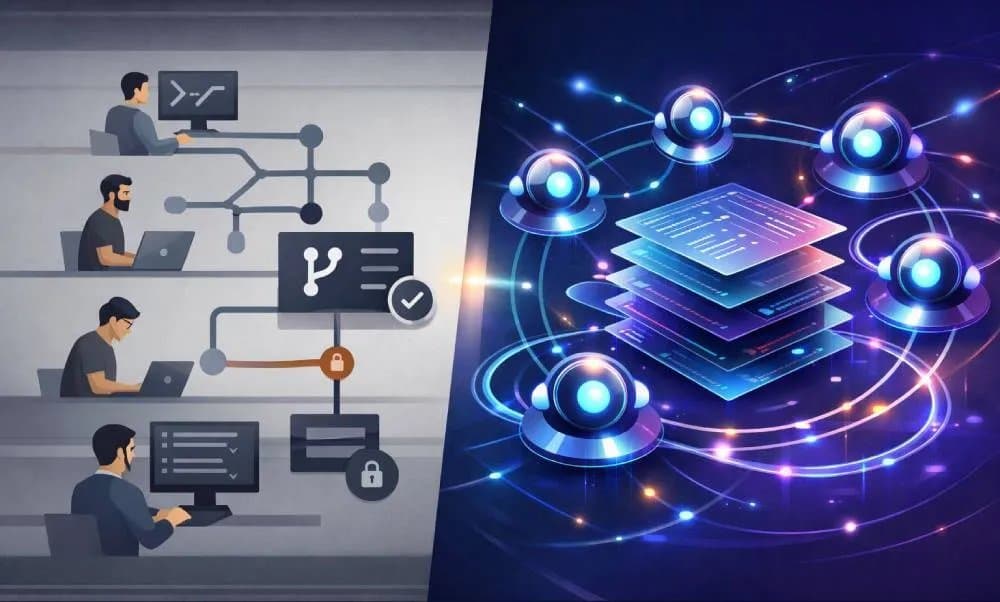
Cursor's acquisition of Graphite represents more than stacked diffs—it signals a fundamental rethinking of developer tooling for the AI era. As AI agents become active participants in coding, traditional Git-based workflows struggle to capture rich context like decision trails and abandoned paths. This move positions Cursor to challenge GitHub by building workflow-centric systems rather than optimizing code-centric tools.
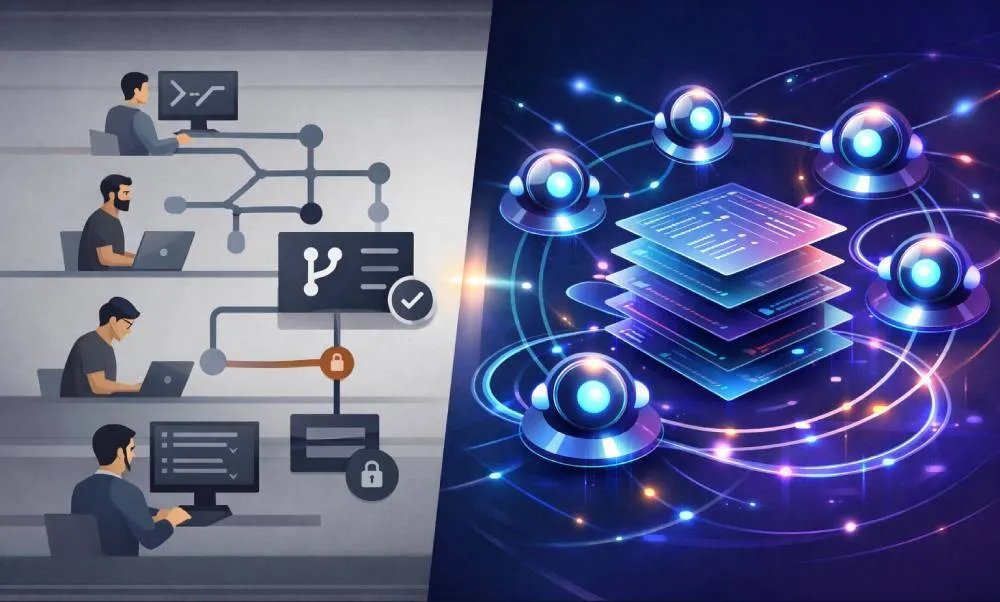
The recent acquisition of Graphite by Cursor has sparked industry discussion about stacked diffs and code review enhancements. But the deeper significance lies in how this move addresses a fundamental shift: AI agents are transitioning from coding assistants to active participants in software creation. This evolution exposes critical limitations in traditional development toolchains.
Git's AI Limitations Exposed
Git revolutionized version control by optimizing for human-authored code, line-based diffs, and minimal metadata. Yet AI-generated workflows produce richer artifacts that Git wasn't designed to handle:
- Decision trajectories: The step-by-step reasoning behind code changes
- Abandoned paths: Alternative solutions considered and discarded
- Intermediate rationales: Context crucial for meaningful review
"Tooling can paper over limitations for a while," observes the source analysis, "but when workflows fundamentally change, the storage model eventually comes under pressure." While Git won't disappear overnight, its architecture struggles to natively accommodate AI's contextual metadata—a gap newer version control systems are beginning to address.
Beyond Stacked Diffs: The Graphite Advantage
{{IMAGE:3}}
Graphite's true innovation wasn't inventing stacked diffs (patch series predate Git), but in making small, reviewable increments the default workflow. This significantly reduces idle time—one of development's biggest productivity drains—while maintaining review quality across distributed teams.
GitHub's gradual adoption of similar features highlights the challenge: retrofitting AI-native workflows onto legacy systems is complex. As the source notes: "Cursor didn't have to retrofit. It bought something that already worked."
The Workflow-Centric Future
Cursor's differentiation emerges in its focus on the entire development loop—writing, refactoring, reviewing, and supervising AI agents—rather than isolated coding tasks:
"What's actually happening is not 'Cursor versus GitHub.' It's a transition from code-centric workflows to workflow-centric systems where code is only one artifact among many."
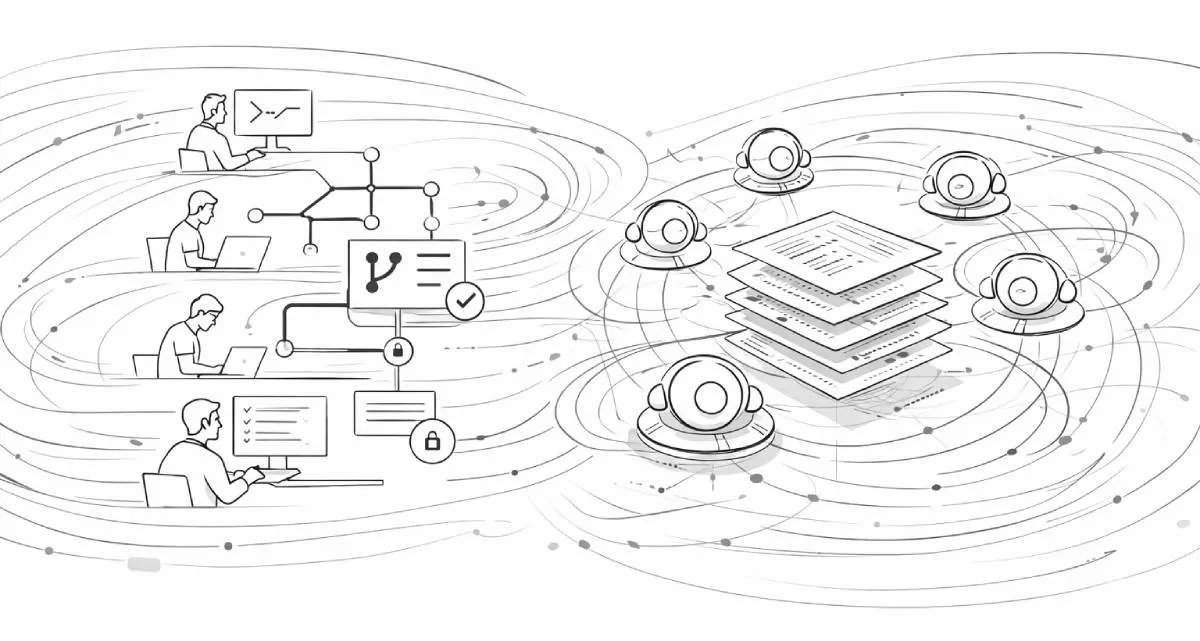
This explains why speculation about Cursor developing an AI-aware version control system seems plausible. As AI generates exponentially more contextual data, tools must evolve beyond storing code to capturing the full development narrative.
The New Competitive Landscape
The acquisition signals that GitHub's most significant future competitor may not resemble a traditional code host. By controlling the developer's daily workflow and embracing metadata-rich AI processes, Cursor positions itself at the forefront of a paradigm shift. As AI reshapes software creation, tools that prioritize holistic workflows over incremental improvements will lead the next era of developer productivity.
Source: JSON Server Blog
Comments
Please log in or register to join the discussion