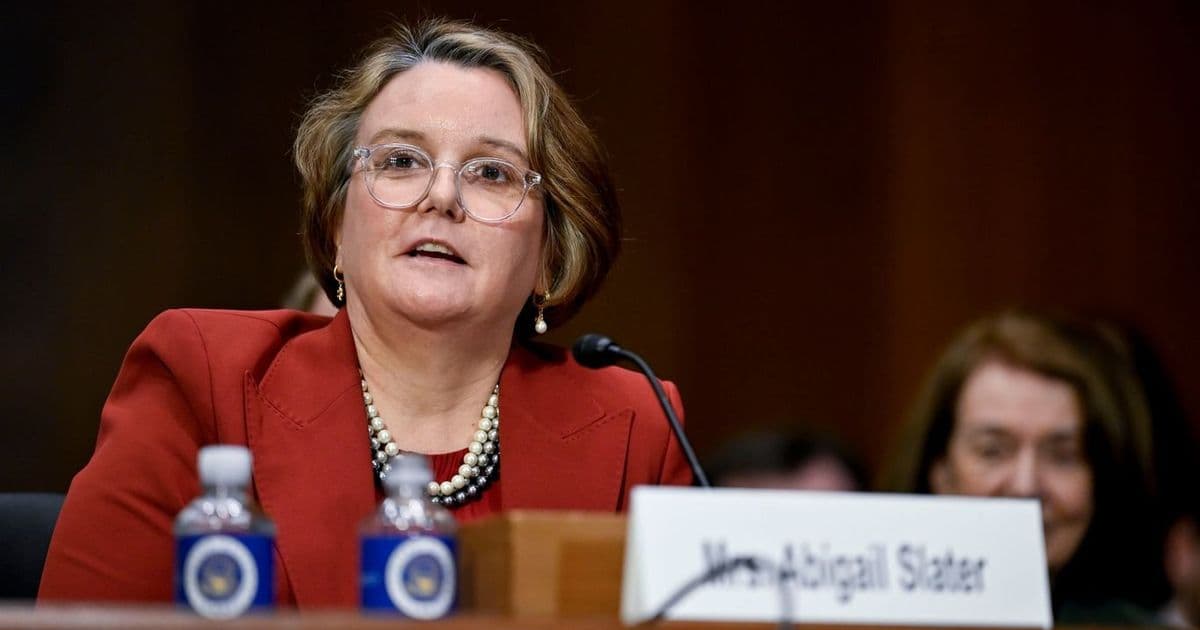
Gail Slater's exit from the DOJ antitrust division is being interpreted as a win for major tech companies, marking a shift in regulatory approach under the current administration.
The departure of Gail Slater as head of the Department of Justice's antitrust division has sent ripples through the tech industry, with many viewing her exit as a significant victory for major technology companies. Slater, who had been leading the DOJ's antitrust efforts, announced her departure on February 12, 2026, in what industry observers are calling a pivotal moment in the ongoing battle between regulators and Big Tech.
Slater's tenure at the DOJ was marked by aggressive enforcement actions against major technology companies, including investigations into Google's search practices, Apple's App Store policies, and various other antitrust concerns surrounding the largest tech platforms. Her approach was characterized by a willingness to pursue cases that many saw as challenging the dominant positions of companies like Google, Meta, and Apple.
However, her departure comes at a time when the regulatory landscape appears to be shifting. The current administration has shown a more favorable stance toward the tech industry compared to previous years, with several high-profile antitrust cases being scaled back or abandoned entirely. This change in approach has been welcomed by tech companies and investors alike, who had grown increasingly concerned about the regulatory pressure facing the industry.
The timing of Slater's exit is particularly noteworthy given the broader context of tech regulation. Just days before her announcement, the Federal Trade Commission had settled a major case with Meta, and there were reports of the DOJ considering dropping its case against Google. These developments suggest a broader retreat from the aggressive antitrust enforcement that characterized much of the previous administration's approach.
Industry analysts point to several factors that may have contributed to this shift. The rapid advancement of artificial intelligence technology has created new competitive dynamics that many argue require a different regulatory approach. Additionally, concerns about maintaining American technological leadership in the face of competition from China have influenced the regulatory calculus.
The reaction from the tech industry has been largely positive, with many executives expressing relief at what they see as a more balanced approach to regulation. However, critics argue that this shift represents a dangerous retreat from necessary oversight of powerful technology companies. Consumer advocacy groups and some lawmakers have expressed concern that the pendulum may have swung too far in favor of industry interests.
Slater's departure also raises questions about the future direction of antitrust enforcement at the DOJ. While her replacement has not yet been named, there is speculation that the administration will seek someone with a more industry-friendly approach. This could have significant implications for ongoing and future antitrust cases, potentially altering the trajectory of tech regulation for years to come.
The broader implications of this shift extend beyond just antitrust enforcement. The tech industry has been closely watching regulatory developments across multiple fronts, including content moderation, data privacy, and artificial intelligence governance. The apparent softening of antitrust enforcement may signal a broader trend toward a more accommodating regulatory environment for technology companies.
However, it's important to note that regulatory pressure on the tech industry is far from over. While the approach may be changing, there remains significant public and political concern about the power and influence of major technology platforms. Issues such as market concentration, data privacy, and the societal impact of social media continue to generate calls for regulatory action.
The departure of Gail Slater represents more than just a personnel change at the DOJ. It symbolizes a potential turning point in the relationship between the tech industry and its regulators. As the industry continues to evolve and expand its influence, the question of how to balance innovation and competition with consumer protection and market fairness remains a central challenge for policymakers.
Looking ahead, the tech industry appears to be entering a period of relative regulatory calm, at least in terms of antitrust enforcement. However, this respite may be temporary, as the fundamental tensions between innovation, competition, and regulation continue to shape the technological landscape. The departure of Gail Slater may mark the end of one chapter in tech regulation, but the broader story of how society manages the power of technology companies is far from over.
For now, major tech companies are likely to welcome this shift, viewing it as an opportunity to focus on innovation and growth without the constant threat of regulatory intervention. However, they would be wise to remember that public sentiment and political winds can shift quickly, and the current regulatory environment may not be permanent. The challenge for the industry will be to use this period of relative regulatory calm to address legitimate concerns about market power and societal impact, rather than simply pushing for maximum growth and consolidation.
As the dust settles on Slater's departure, all eyes will be on who will take her place and what approach they will bring to the role. The future of tech regulation hangs in the balance, with significant implications for the industry, consumers, and the broader economy. While Slater's exit may be seen as a victory for Big Tech in the short term, the long-term trajectory of tech regulation remains uncertain, shaped by technological change, public opinion, and the ongoing struggle to balance innovation with accountability.
Comments
Please log in or register to join the discussion