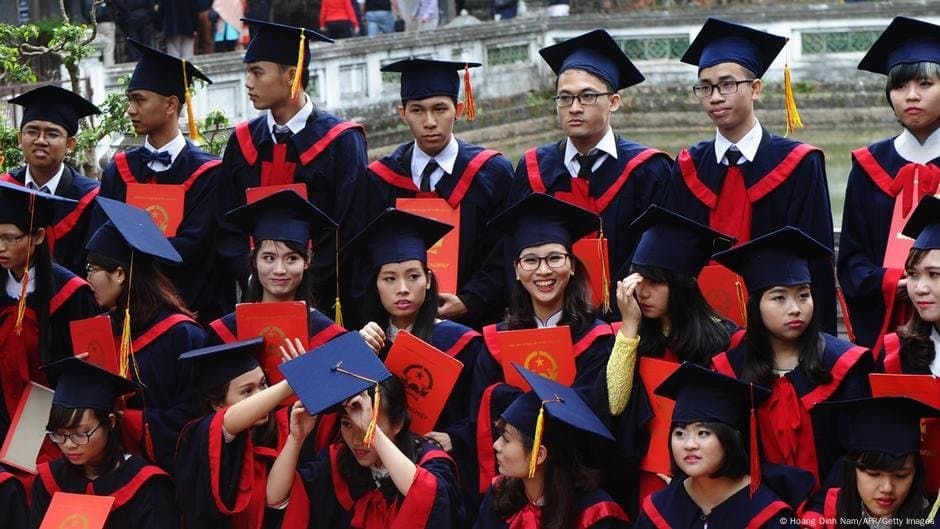
Universities across Europe, Australia, and East Asia are aggressively competing to attract Southeast Asian students amid chronic underfunding and demographic challenges. With Vietnam, Malaysia, and Indonesia leading the region's 350,000 outbound students, institutions are relaxing visa rules and creating new scholarships to secure future tech talent pipelines.
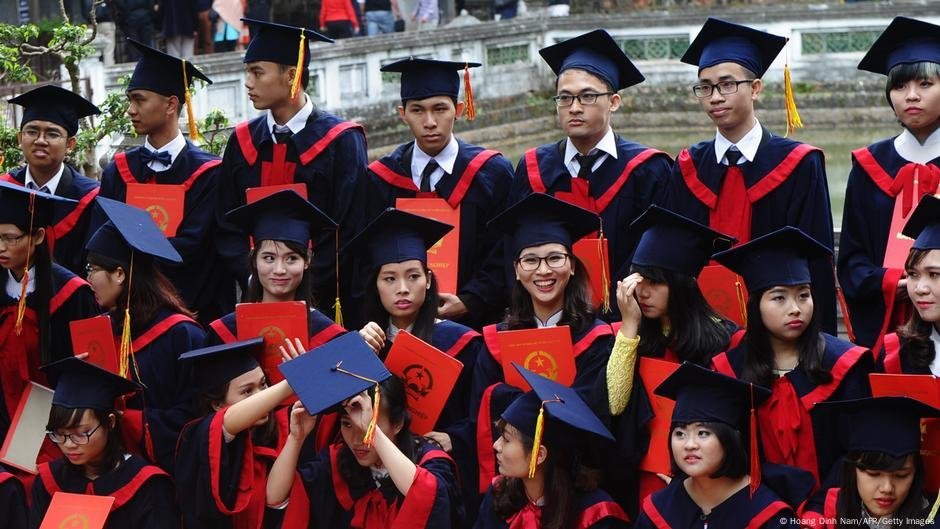
A seismic shift in global education dynamics is unfolding as universities worldwide aggressively court Southeast Asian students to address financial shortfalls and talent shortages. With over 350,000 students from the region studying abroad—making Southeast Asia the third-largest source of international students globally after China and India—nations are deploying strategic incentives to capture this valuable demographic.
The Funding Crisis Driving Recruitment
European universities face unprecedented financial strain, creating urgent demand for international enrollment:
- 40% of UK universities operate at a deficit
- Germany's DAAD slashed 2,500 scholarships due to budget cuts
- France reduced education spending by €1 billion in 2025
"Foreign student recruitment remains a key factor in generating much-needed income," warned a European University Alliance report, noting competition will intensify as institutions increasingly rely on non-EU tuition fees.
Southeast Asia's Tech Talent Pipeline
Vietnam dominates regional outbound mobility, contributing 132,000 students (40% of Southeast Asia's total), followed by Malaysia and Indonesia (50,000+ each). This talent pool is increasingly sought after for STEM fields critical to technology sectors:
| Country       | Target International Students | Key Initiatives                          |
|---------------|-------------------------------|------------------------------------------|
| Australia     | 295,000 (9% increase)         | Prioritizing Southeast Asian applicants  |
| Japan         | 400,000 by 2033               | Hosts more Vietnamese than Anglosphere   |
| South Korea   | 300,000 by 2027               | Labor shortage solutions                 |
| Germany       | 7,060 Vietnamese undergrads   | 'Career trucks' touring Vietnam          |
Strategic Shifts in Global Education
Europe's Visa Barrier Problem: Academics highlight bureaucratic hurdles as the primary obstacle. Kristina Kironska of Palacky University notes that despite available EU grants, "the main challenge remained visa and residency documentation."
East Asia's Rising Appeal: 23 East Asian universities now rank among the world's top 100—a 35% increase since 2015. Japan has surpassed English-speaking countries in Vietnamese student enrollment.
U.S. Retreat Creates Opening: Visa revocations and funding cuts at American institutions (including revoked Fulbright grants and $1.2B cuts to Columbia/Johns Hopkins) have triggered an exodus, with 75% of U.S. scientists considering leaving.
The Funding Arms Race
European countermeasures include:
- Norway relaxing language requirements and tuition adjustments
- EU's €500-million "Choose Europe Initiative" for researchers
- Expanded ERC grants and doubled relocation stipends
Yet as Alfred Gerstl of the Central European Institute of Asian Studies emphasizes: "It is essential to provide more funding for mobility exchanges and scholarships, in particular for PhD students." With Southeast Asian nations developing their own higher education ecosystems and regional options expanding, the window for Western institutions to secure this critical tech talent pipeline is narrowing—making strategic investment today essential for technological competitiveness tomorrow.
Comments
Please log in or register to join the discussion