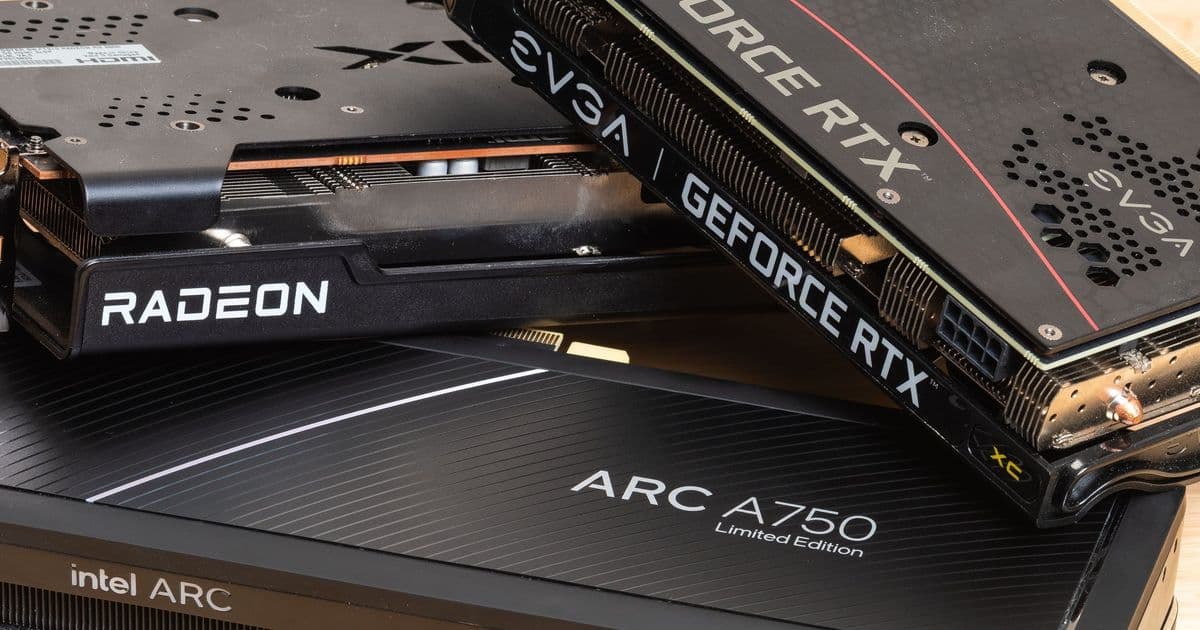
TechSpot's comprehensive GPU price tracking reveals graphics cards have become 15% more expensive globally since November 2025, with the RTX 5090 leading at 32% surge and the $1,000 price point now delivering significantly less performance.
A comprehensive price tracking analysis reveals that graphics cards have become significantly more expensive across the globe, with the average GPU now costing 15% more than it did just four months ago in November 2025. The data, compiled by TechSpot and analyzed by Tom's Hardware, shows price increases across all major manufacturers including Nvidia, AMD, and Intel, with some regions experiencing even steeper hikes.
The $1,000 Price Point: A Stark Reality Check
Perhaps the most telling example of this price inflation comes at the $1,000 mark. Where consumers could once purchase an RTX 5080 for this amount, that same budget now only stretches to an RTX 5070 Ti. The RTX 5070 Ti has seen a 37% price increase in the USA, jumping from $730 to approximately $1,000, while the RTX 5080 has surged even more dramatically at 43% to now cost well over $1,000.
This shift represents a significant downgrade in performance for the same investment, highlighting how quickly purchasing power has eroded in the GPU market.
Regional Variations Paint a Complex Picture
While every region saw price increases, the severity varied considerably. Australia emerged as the most stable market with only a 7.7% increase, while India and Germany experienced the steepest hikes at approximately 21% each. The United States sits in the middle at +20%.
India's market showed particularly extreme inflation, especially for 16GB cards. The RTX 5090 exemplifies this trend, having surged 54% in India to now cost 403,000 INR ($4,447), up from 261,000 INR ($2,880) in November.
The RTX 5090: From Gaming GPU to AI Workhorse
Leading the price surge is Nvidia's flagship RTX 5090, which has seen a massive 32% average price increase worldwide. The card now sells for roughly 65% above its MSRP, with the most extreme example being the $40 increase in the US market alone, pushing the price from $2,500 to over $3,500.
TechSpot suggests this isn't being positioned as a gaming GPU anymore, but rather as an AI workhorse where its 32GB of GDDR7 VRAM proves valuable to professionals. The premium pricing reflects this shift in target market.
Budget Segment Holds Steady
Interestingly, the more affordable GPU segment has seen the least dramatic price increases. The RTX 5060 and RTX 5060 Ti 8GB models experienced only 3% hikes, while the RTX 5050 followed closely at 4%. These increments translate to minimal dollar differences - just $10 across all models - making them the least affected by the current price inflation.
AMD's RX 9070 XT: A Bright Spot
AMD's RX 9070 XT emerged as one of the few success stories in this price tracking analysis. The card saw the least fluctuation globally at just 7% increase, with some regions even experiencing price drops. Notably, Brazil saw a 9% decrease, with the card now costing 4,300 BRL ($823) compared to 4,700 BRL ($900) four months ago.
Intel's Arc B580: Mixed Results
Intel's Arc B580 showed varied performance across regions. While it increased 35% in some markets, it actually decreased 18% in Brazil, making it one of the few models to see price reductions in that region.
The 16GB Premium
Cards with 16GB of memory saw particularly steep increases. The RTX 5060 Ti 16GB experienced a 25% average price hike, while the Arc B570 jumped 25% in some regions. This suggests manufacturers are capitalizing on the premium associated with higher memory configurations.
No Winners in This Market
The data conclusively shows there are no real winners in today's GPU market. Every single country analyzed saw negative overall change, meaning GPUs are universally more expensive now than they were in November 2025. Even Australia, the most stable market, still saw a 7.7% increase.
This comprehensive price tracking underscores the challenging reality facing PC builders and upgraders in 2025, where the same budget now delivers significantly less performance across the board.
Comments
Please log in or register to join the discussion