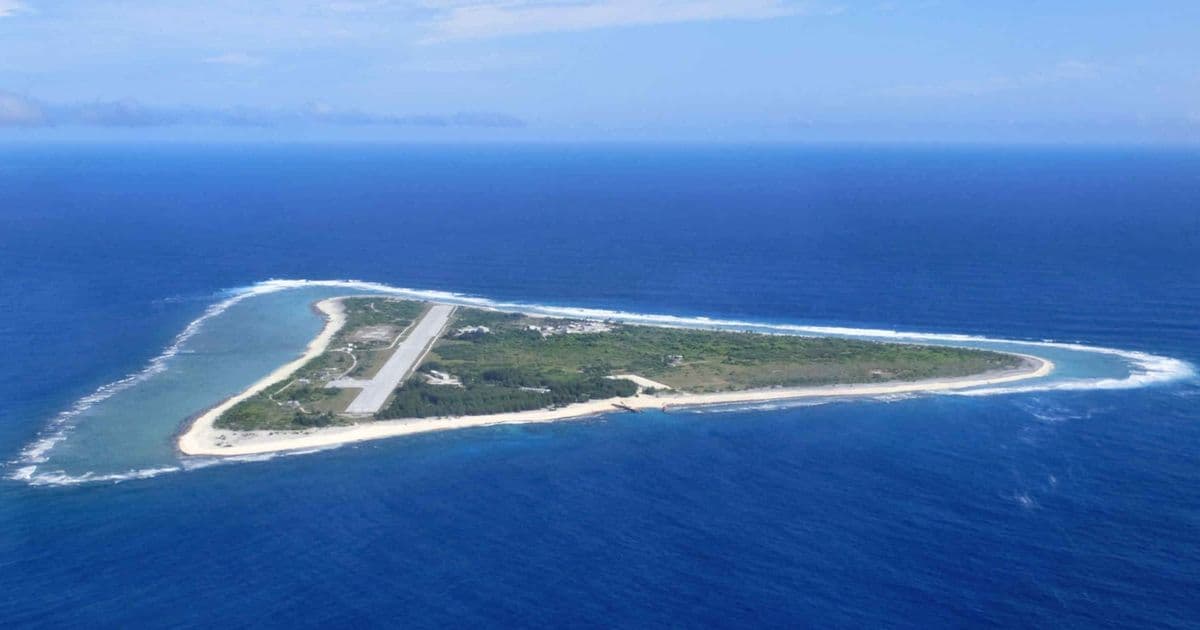
Japan has extracted mineral-rich mud from 6,000 meters beneath the Pacific Ocean near Minamitorishima Island, advancing its strategy to reduce dependence on Chinese rare earth supplies.
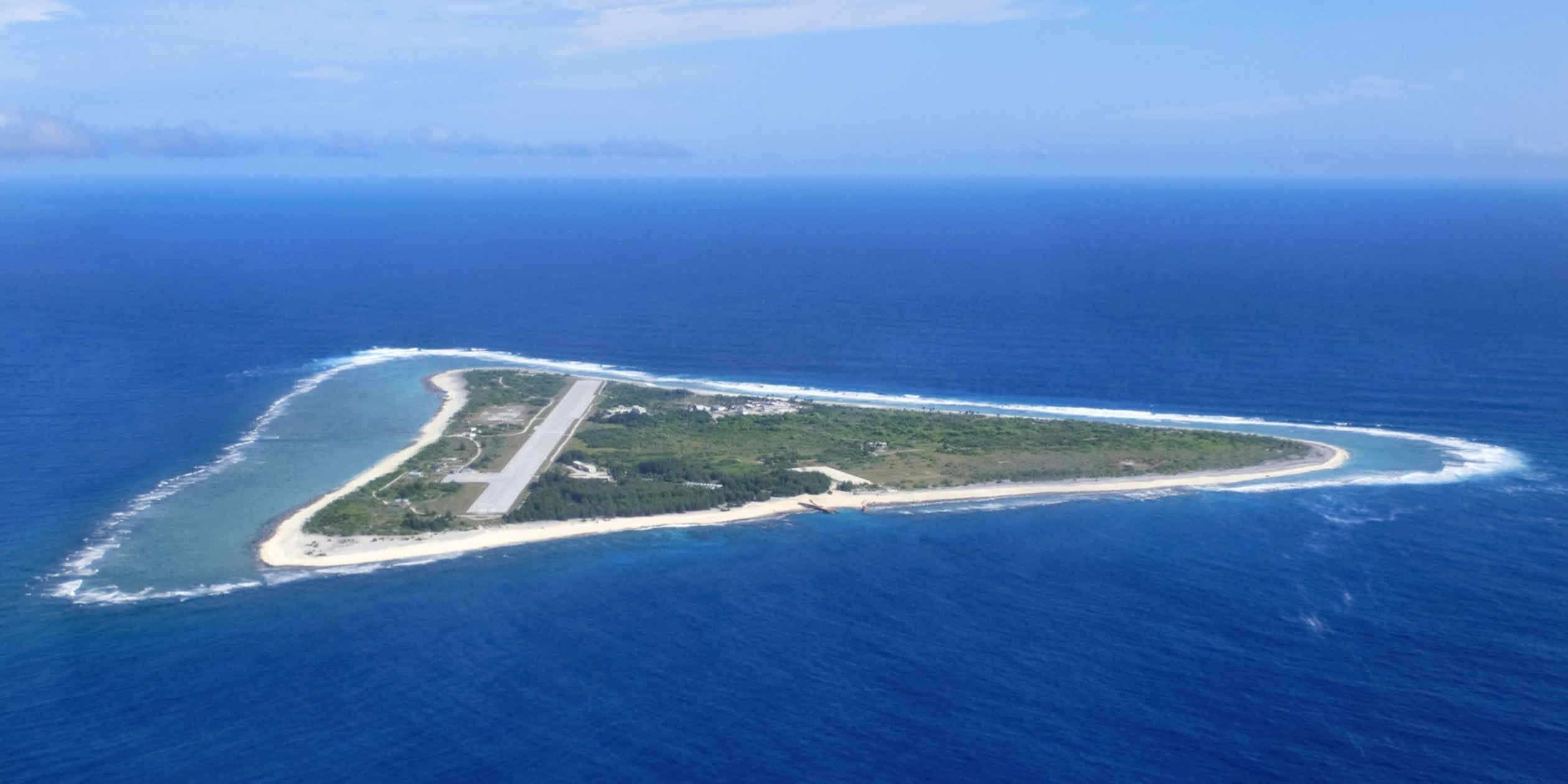
Japan's Cabinet Office and national marine research institution announced the successful retrieval of seabed slurry from a record depth of 6,000 meters near Minamitorishima Island, located approximately 1,950 km southeast of Tokyo. The sample, extracted Monday from the Pacific Ocean floor, contains mud potentially rich in rare earth elements critical for electric vehicles, wind turbines, and defense technologies.
This milestone advances Japan's $500 million deep-sea mining initiative launched in 2023 to secure independent access to rare earth minerals. Current analysis indicates the deposit near Minamitorishima could contain over 16 million tons of rare earth oxides - sufficient to supply global demand for centuries. The sample will undergo comprehensive testing at Japan's National Institute of Advanced Industrial Science and Technology to determine exact mineral concentrations and extraction viability.
The operation occurs amid escalating trade tensions, with China implementing rare earth export controls to Japan following geopolitical disputes. China currently supplies 90% of Japan's rare earth needs, a dependency that became strategically untenable after Beijing restricted exports of gallium and germanium in 2023. Prices for neodymium and dysprosium - essential for high-performance magnets - have since surged 300-450% to record highs.
Japan's Ministry of Economy, Trade and Industry confirms pilot extraction will begin in 2027, with commercial operations targeted for 2030. The project aligns with Japan's broader $1.7 billion critical minerals strategy that includes recycling initiatives and investments in Australian and Vietnamese mines. According to METI projections, deep-sea resources could satisfy 60% of Japan's rare earth demand by 2035.
Technical challenges remain substantial. Extracting minerals from 6-km depths requires specialized robotics and pumping systems costing approximately $200,000 per daily operational hour. Environmental assessments indicate potential sediment plume impacts, though project engineers claim closed-loop extraction systems will minimize ecological disruption.
Market analysts note this development could accelerate global deep-sea mining investments. The International Seabed Authority reports 31 exploration contracts awarded worldwide since 2021, with Japan controlling three Pacific sites totaling 150,000 km². As high-tech mineral prices continue rising amid green energy transitions, Japan's technological demonstration potentially reshapes a $10 billion global rare earth market long dominated by China.
Comments
Please log in or register to join the discussion