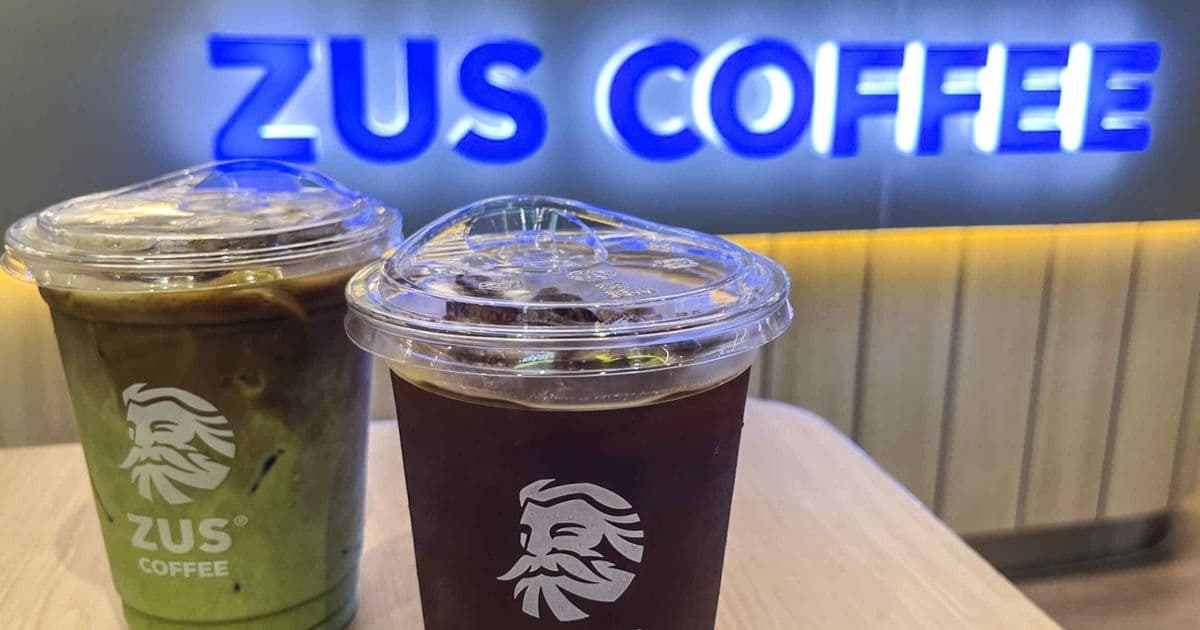
Malaysian coffee chain ZUS Coffee plans to triple its Thailand store count in 2026, leveraging localized flavors like Tom Yum Americano and customizable sugar options to penetrate Southeast Asia's competitive coffee market.
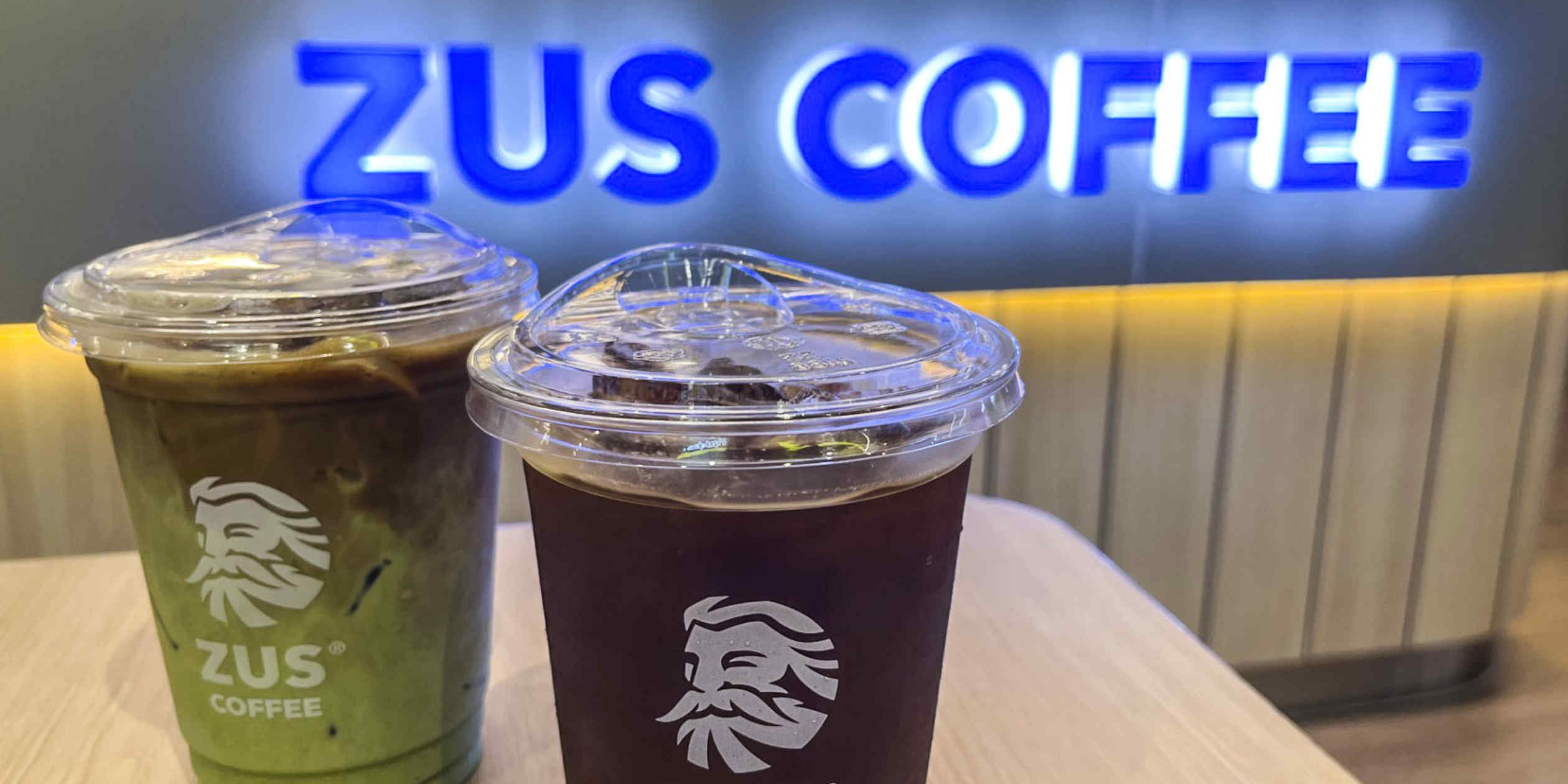
Malaysia's ZUS Coffee has unveiled plans to triple its physical footprint in Thailand throughout 2026, accelerating its regional expansion strategy beyond its home market. The move signals intensifying competition in Southeast Asia's rapidly growing coffee shop sector, where chains increasingly vie for market share through aggressive localization and customization strategies.
Currently operating approximately 15 stores in Thailand, ZUS aims to reach 45 locations nationwide by year-end. This 200% expansion rate outpaces Thailand's overall food and beverage sector growth, which the National Economic and Social Development Council projects at 3.8% annually through 2027. The expansion leverages Thailand's position as ASEAN's second-largest coffee market, valued at $2.3 billion in 2025 according to Statista, with compound annual growth exceeding 8% since 2020.
ZUS's strategy hinges on hyper-localized product adaptation – notably the Tom Yum Americano combining traditional Thai spice profiles with espresso – alongside granular customization options including adjustable sugar levels across beverages. These tactics directly challenge incumbents like Starbucks, which operates over 400 Thai locations, and local chains like Café Amazon with 4,000+ outlets. Product localization addresses Thailand's distinctive taste preferences, where Euromonitor reports 73% of consumers prioritize beverage customization.
The expansion forms part of ZUS's broader ASEAN growth blueprint following its successful Malaysian rollout of over 180 stores since 2019. Thailand represents a strategic beachhead for regional penetration, benefiting from high coffee consumption rates (3.2kg per capita annually) and rising urban disposable incomes. Similar regional moves include Indonesia's Kopi Kenangan entering Vietnam and the Philippines, creating a competitive landscape where chains must balance standardization with cultural adaptation.
Financial implications are significant. Each new ZUS outlet requires approximately $150,000 in capital expenditure based on company disclosures, implying a $4.5 million investment commitment for the Thai expansion alone. Success could substantially boost ZUS's valuation ahead of anticipated Series C funding, with industry analysts projecting Southeast Asia's specialty coffee market will reach $8.1 billion by 2028 according to Ken Research.
However, scaling brings operational challenges. Thailand's coffee shop density in Bangkok already exceeds 25 stores per square kilometer according to CBRE research, requiring careful site selection. Labor costs average 30% higher than Malaysia, while supply chain complexity increases with localized ingredient sourcing. ZUS's ability to maintain quality control while tripling store count will be a critical operational stress test.
This expansion reflects deeper market dynamics: ASEAN's Gen Z consumers (projected to comprise 45% of regional spending power by 2030) increasingly favor affordable premium coffee experiences blending global standards with local authenticity. ZUS's growth trajectory demonstrates how mid-sized chains exploit this niche against global giants through agile localization – a trend reshaping Southeast Asia's F&B investment landscape as regional players transition from domestic champions to multinational contenders.
Comments
Please log in or register to join the discussion