
Cybersecurity startup RADICL Defense Inc. raised $31 million in Series A funding to expand its threat detection and response services for SMBs supporting US defense and critical infrastructure sectors, signaling heightened focus on securing vulnerable supply chain nodes.
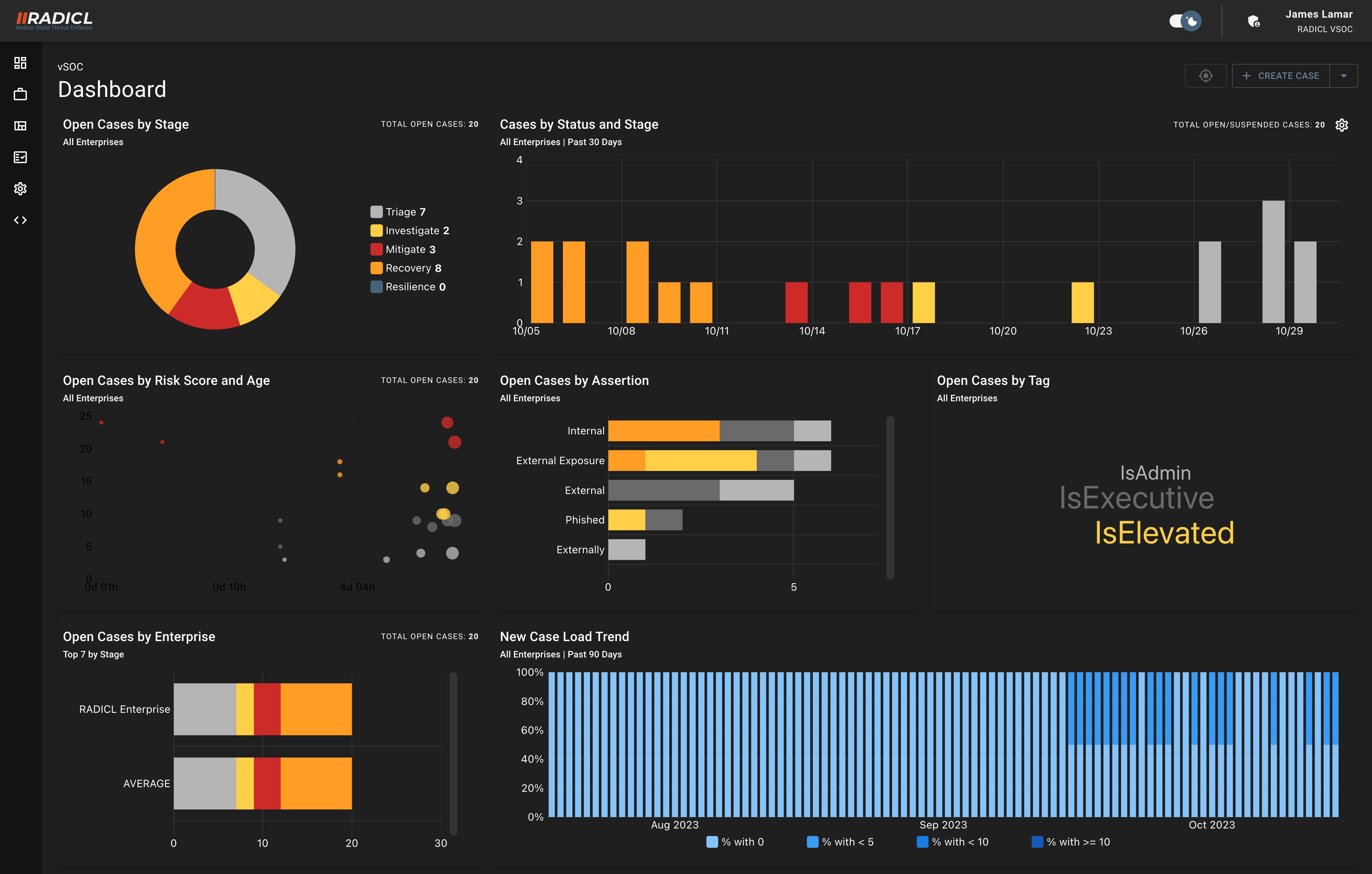
Small and medium-sized businesses (SMBs) within the US defense industrial base and critical infrastructure supply chains face a paradoxical challenge: They're increasingly targeted by sophisticated threat actors yet often lack resources for enterprise-grade security. This gap has propelled specialized cybersecurity providers like RADICL Defense Inc. into strategic prominence, evidenced by their recent $31 million Series A funding round.
The Denver-based company offers managed detection and response (MDR) services tailored for SMBs manufacturing components, handling sensitive data, or providing technical services to defense and infrastructure entities. Unlike generalized cybersecurity platforms, RADICL focuses on threat vectors specifically relevant to industrial control systems (ICS), supply chain compromises, and nation-state targeting patterns. Their platform combines automated monitoring with human-led threat hunting, aiming to provide enterprise-level protection at SMB-accessible pricing.
This funding arrives amid escalating pressure on defense contractors to meet Cybersecurity Maturity Model Certification (CMMC) requirements and follows high-profile attacks like the 2023 breach targeting aerospace subcontractors. With SMBs accounting for over 70% of the Defense Industrial Base network, their vulnerabilities represent systemic risks. "These organizations are force multipliers for national security but often lack dedicated security teams," noted a Department of Defense supply chain report last quarter.
However, skeptics question whether SMBs will prioritize cybersecurity spending without regulatory mandates. Traditional IT budgets at smaller firms rarely accommodate specialized services, and RADICL competes against consolidated platforms like CrowdStrike or Microsoft Defender that bundle security into broader operational tools. Some infosec practitioners argue niche players struggle with scalability: "Selling point solutions to SMBs is notoriously difficult unless integrated into their core workflows," observed a CISO at a major defense prime contractor.
The Series A suggests investors see regulatory tailwinds and threat escalation overcoming these hurdles. While undisclosed, the lead investor is reportedly a national security-focused venture firm, indicating strategic alignment with government priorities. RADICL plans to allocate funds toward automating their threat-hunting workflows and expanding integrations with manufacturing operational technology (OT) systems common in defense production facilities.
This investment mirrors a broader trend of specialized cybersecurity providers gaining traction. Earlier this year, industrial-focused firms like Claroty and Dragos secured major rounds, reflecting market recognition that critical infrastructure protection requires domain-specific approaches beyond generic cloud security. As nation-state cyber operations grow more aggressive, RADICL's funding underscores the financial and strategic value placed on hardening the weakest links in national defense ecosystems.
Comments
Please log in or register to join the discussion