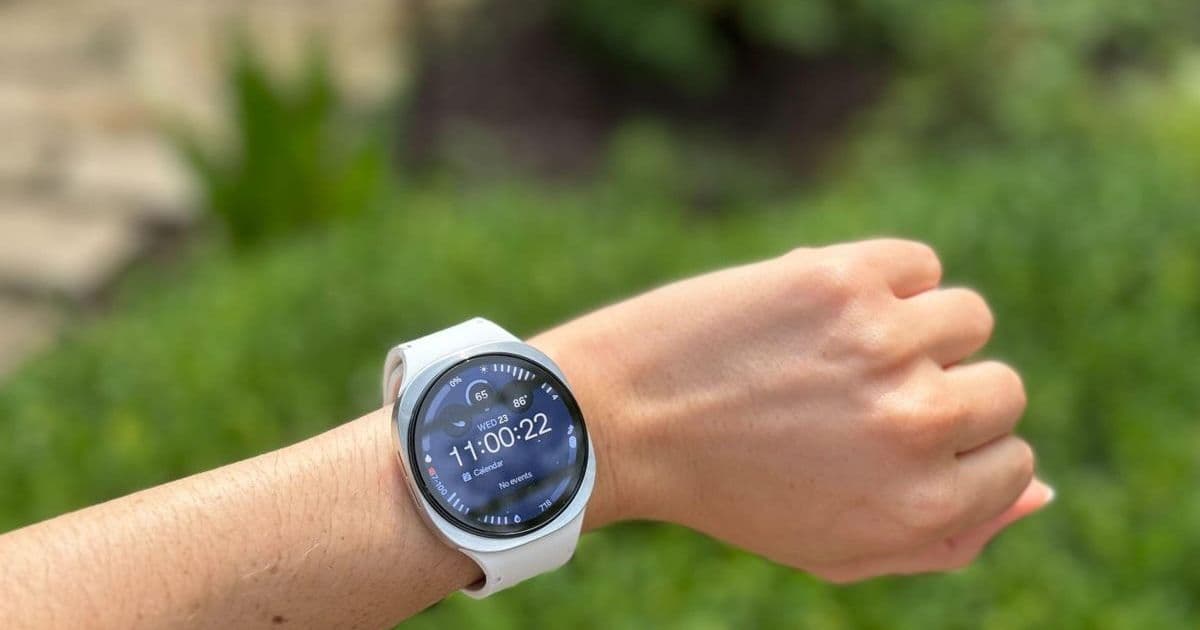
Samsung's Galaxy Watch 8 impresses with its ultra-thin design, brilliant display, and innovative Running Coach feature that delivers personalized training plans. While experimental health metrics like Antioxidant Index show promise but lack consistency, this Android-focused smartwatch emerges as a top contender for runners and fitness enthusiasts.
When Samsung unveiled the Galaxy Watch 8 at its recent Unpacked event, the tech world took notice of its ambitious health-tracking features. After a week of rigorous testing—replacing my daily Apple Watch—I discovered a device that challenges the smartwatch status quo, particularly for fitness-focused Android users.
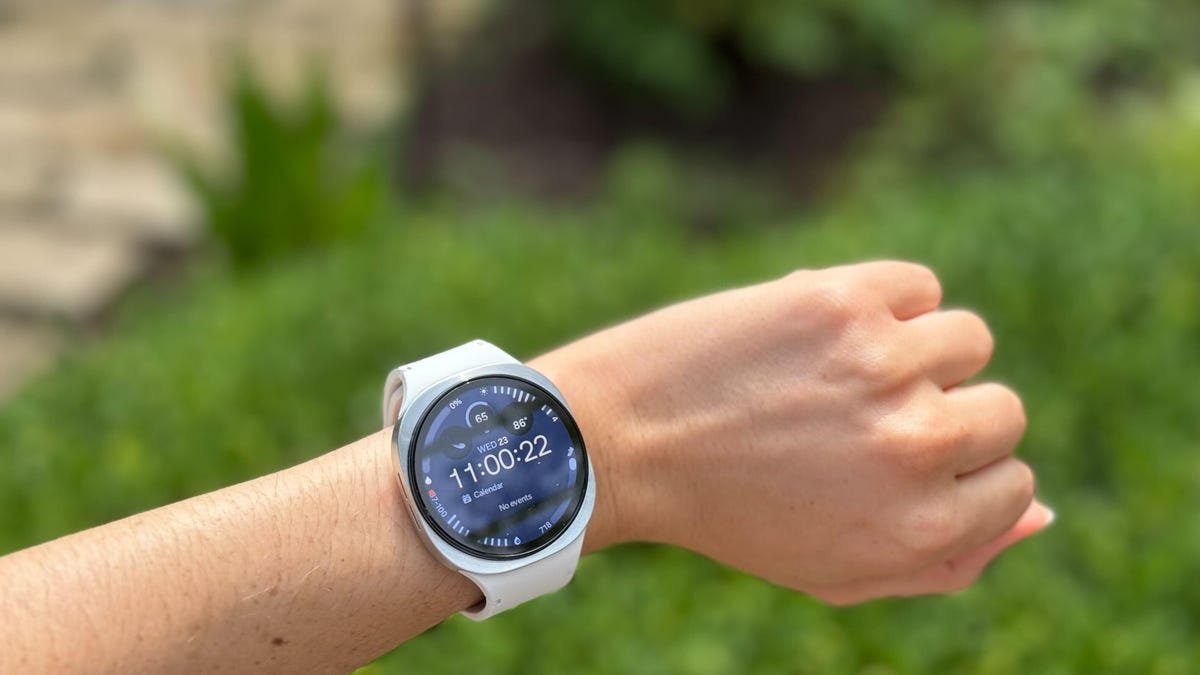 Samsung's Galaxy Watch 8 features a remarkably thin profile and 3,000-nit display. | Credit: ZDNET
Hardware That Stands Out
The Watch 8 immediately distinguishes itself with a design 11% thinner than its predecessor—a significant achievement considering the packed sensors. The 3,000-nit display outshines competitors like the Pixel Watch 3 (2,000 nits) and Apple Watch Series 10, maintaining perfect visibility even during midday runs. Battery life proved reliable, with the 40mm model lasting approximately 1.5 days with Always-On Display enabled—though power users may prefer the larger model for extended endurance.
Samsung's Multi-Info tiles deserve special mention. By swiping left, users instantly access weather, activity shortcuts, or sleep scores—a thoughtful UX design that minimizes screen-tapping frustration. This exemplifies Samsung's strength in creating intuitive interactions within compact interfaces.
The AI Fitness Revolution
Where the Watch 8 truly innovates is through Samsung's health-focused software enhancements powered by One UI 8:
Running Coach: This standout feature begins with a humbling 12-minute assessment that scored me a 3/10 ("yikes," as I noted). It then generates personalized training plans based on recovery patterns and performance metrics. The AI-driven guidance—which adapts to your evolving fitness level—makes marathon training unexpectedly approachable. As I implemented its regimen, I found myself motivated to return to running after months of inactivity.
Bedtime Guidance & Cardio Load: These features analyze sleep and activity data to suggest optimal bedtimes and workout intensities. The system establishes baselines and provides actionable feedback—a welcome evolution beyond basic tracking.
Antioxidant Index: The most experimental metric uses the BioActive Sensor to measure antioxidant levels via thumb contact. Despite my vegetable-rich diet, readings fluctuated between "very low" and "low." Samsung acknowledges inconsistencies due to skin surface variations and notes it may require weeks to reflect dietary changes. While conceptually promising, this feature currently feels more like a beta test than reliable health tool.
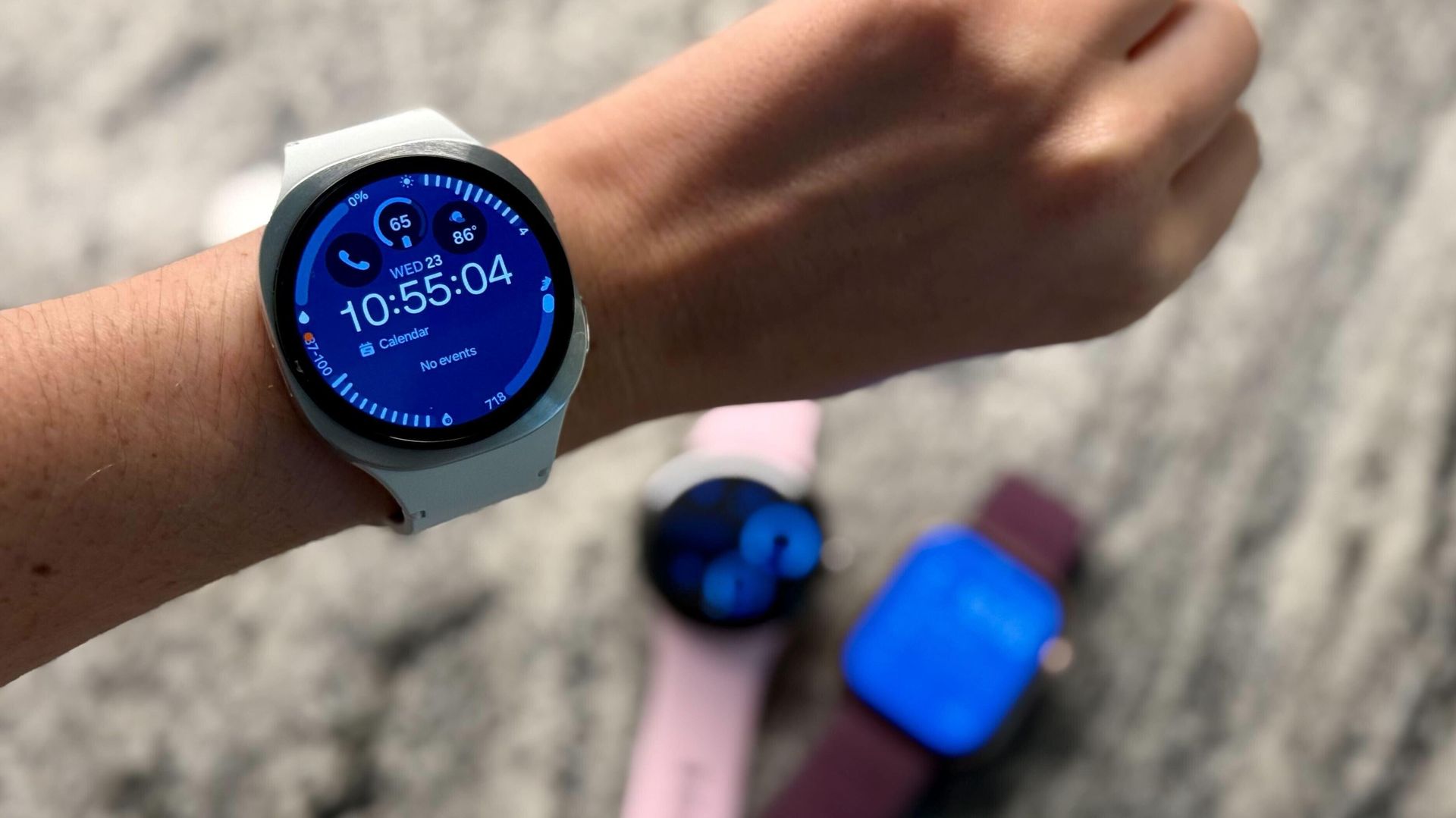 Size comparison: Galaxy Watch 8 (left) vs. Pixel Watch 3 vs. Apple Watch Series 10. | Credit: Nina Raemont/ZDNET
Samsung's Health-Tech Ambitions
The Watch 8's focus aligns with Samsung's broader healthcare strategy, evidenced by its recent acquisition of digital health platform Xealth. The integration of features like Running Coach demonstrates how raw biometric data can transform into genuinely useful insights—a direction that positions Samsung uniquely against competitors still prioritizing notification management.
The Verdict
At $349, the Galaxy Watch 8 delivers exceptional value for Android users, particularly runners seeking structured training. While the Antioxidant Index needs refinement, the core experience—especially the transformative Running Coach—makes this one of 2025's most compelling wearables. As smartwatches evolve from passive trackers to active health partners, Samsung has taken a significant leap forward.
Source: ZDNET | Testing conducted by Nina Raemont
Comments
Please log in or register to join the discussion