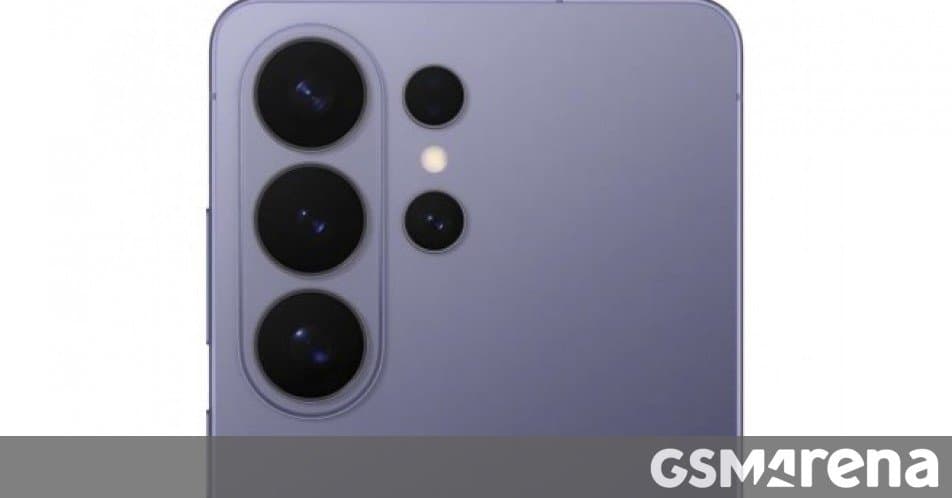
Samsung's latest teaser for the Galaxy S26 Ultra uses AI-generated video to showcase low-light performance, sparking debate about authenticity and marketing tactics.
Samsung has once again turned heads with its marketing approach for the upcoming Galaxy S26 Ultra, but this time not necessarily for the right reasons. The company's US arm recently released a short promotional video highlighting the phone's low-light video recording capabilities, but with an unusual twist – the teaser itself was "generated with the assistance of AI tools," as clearly noted in the disclaimer at the bottom of the video.
This marketing choice has sparked considerable discussion in the tech community, with many questioning why Samsung would use AI-generated content to promote what should be the phone's real-world camera capabilities. The video even includes the provocative question "Can your phone do that?" – which becomes somewhat ironic given that the footage wasn't actually captured by any phone at all.
The Marketing Paradox
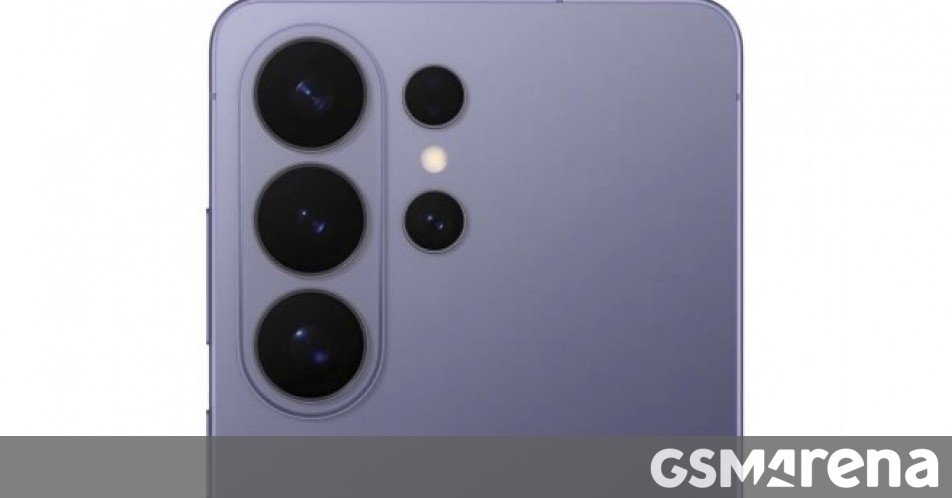
The decision to use AI assistance for a camera teaser represents a curious strategic choice. On one hand, Samsung deserves credit for transparency by including the disclaimer about AI involvement. Many companies might have simply passed off AI-generated content as real footage without disclosure. However, this transparency doesn't fully resolve the underlying question: if the Galaxy S26 Ultra's low-light video capabilities are genuinely impressive, why not showcase actual footage captured by the device?
The situation creates an awkward paradox where Samsung is essentially advertising a feature using content that the feature itself cannot produce. This approach could potentially undermine consumer confidence in the product's real-world performance, especially when compared to competitors who might be showcasing genuine camera samples.
Industry Context and Precedents
This isn't the first time smartphone manufacturers have faced scrutiny over their marketing materials. Several years ago, Huawei was caught using DSLR camera footage in advertisements for their smartphone cameras, which led to significant backlash and damaged consumer trust. Samsung's approach, while more transparent, raises similar questions about authenticity in product marketing.
The use of AI in marketing materials is becoming increasingly common across industries, but its application in technology product demonstrations requires careful consideration. When promoting hardware capabilities like camera performance, there's an implicit expectation that marketing materials will demonstrate what the actual product can achieve.
What We Know About the Galaxy S26 Ultra
Despite the marketing confusion, the Galaxy S26 Ultra remains one of the most anticipated smartphone releases of 2026. The device is scheduled for official unveiling on February 25 alongside the Galaxy S26 and Galaxy S26+ models. Recent leaks have provided substantial information about the device's specifications:
- Processor Performance: Snapdragon-powered variants are reportedly outperforming Exynos versions in single-core benchmarks
- Camera System: The low-light teaser suggests continued focus on camera improvements, though real-world performance remains to be seen
- Display Technology: Earlier teasers have highlighted privacy display features
- European Pricing: Leaked pricing information suggests the Ultra model will maintain its premium positioning
Consumer Reactions and Industry Implications
Reader responses to the AI teaser have been mixed, with some expressing skepticism about the need for AI assistance when promoting camera capabilities. Comments like "No, Samsung, our phones can't do that and they don't have to. Our phones just have better cameras and they just take better pictures in the dark" reflect a segment of consumers who prioritize authentic demonstrations over polished marketing.
The incident highlights broader questions about the role of AI in product marketing and the balance between creating compelling promotional content and maintaining authenticity. As AI tools become more sophisticated, companies will need to navigate how to use these technologies responsibly in their marketing efforts, particularly when promoting hardware capabilities.
Looking Ahead
With the official launch just days away, consumers and reviewers will soon have the opportunity to evaluate the Galaxy S26 Ultra's actual camera performance independently. The real test will be whether the device can deliver on the promises implied by Samsung's marketing, even if that marketing relied on AI assistance.
The situation serves as a reminder that in an era of increasingly sophisticated AI tools, transparency and authenticity in product marketing remain crucial for maintaining consumer trust. While Samsung's disclosure about AI usage is commendable, the fundamental question remains: when marketing a product's capabilities, shouldn't the demonstration itself showcase what the product can actually do?
As the smartphone industry continues to evolve, with AI playing an increasingly prominent role both in device capabilities and marketing strategies, finding the right balance between innovation and authenticity will be essential for manufacturers seeking to maintain consumer confidence and market leadership.
Comments
Please log in or register to join the discussion