SpaceX has suspended all Falcon 9 launches following a second stage failure that prevented controlled reentry, raising concerns about upcoming ISS crew missions and highlighting recurring issues with the rocket's upper stage.
SpaceX has halted all Falcon 9 launches after a second stage anomaly during a February 2 Starlink mission prevented the controlled deorbit burn, leaving the spent stage to tumble uncontrollably back to Earth. The incident, which occurred during a routine satellite deployment from California, has grounded the company's workhorse rocket fleet and raised concerns about upcoming International Space Station crew rotations.
What happened during the anomaly
The February 2 mission proceeded normally through the first two second stage engine burns, successfully deploying 25 Starlink satellites into orbit. However, when the stage prepared for its deorbit burn—the critical maneuver that ensures controlled reentry over a predetermined ocean zone—the burn failed to initiate. Instead, SpaceX executed a passivation procedure, safely venting remaining propellant to prevent an explosion during the uncontrolled descent.
The stage reentered Earth's atmosphere between 0130 UTC and 0330 UTC the following morning, according to astronomer Jonathan McDowell. While the uncontrolled reentry posed minimal risk to populated areas, it highlighted a significant deviation from standard mission protocols that typically ensure precise targeting of reentry zones.
Historical context of second stage issues
This incident marks at least the third major second stage problem for SpaceX in under two years. In July 2024, a second stage explosion resulted in the loss of a payload of Starship satellites. More dramatically, in February 2025, debris from an uncontrolled Falcon 9 second stage reentry showered across Poland after another failed deorbit attempt.
These recurring issues with the upper stage suggest systemic challenges in the rocket's design or operational procedures, particularly concerning the reliability of the deorbit burn sequence that has become critical for both safety and regulatory compliance.
Impact on SpaceX's launch manifest
The grounding has already disrupted SpaceX's ambitious launch schedule. The next planned Starlink mission, originally scheduled for February 6 from Florida's Cape Canaveral, has been pushed to February 14. However, more concerning are the implications for the Crew-12 mission to the International Space Station, which was set for February 11.
NASA officials have expressed cautious optimism about resolving the issue in time for the crew launch, but sources indicate the agency will likely require at least one completely successful Falcon 9 mission before approving a crewed flight. This conservative approach reflects the heightened safety standards for human spaceflight compared to satellite deployments.
ISS operations under pressure
The timing of this anomaly creates particular challenges for the International Space Station. The orbiting laboratory is currently operating with a reduced crew following the early return of the Crew-11 mission, making the timely arrival of Crew-12 more critical than usual. Any significant delay could impact ongoing scientific research and station maintenance schedules.
The investigation involves both SpaceX and the Federal Aviation Administration, with NASA closely monitoring developments. The FAA's involvement underscores the regulatory implications of the anomaly, as uncontrolled reentries of rocket stages have become an increasing concern for aviation and space traffic management authorities.
Technical implications and industry impact
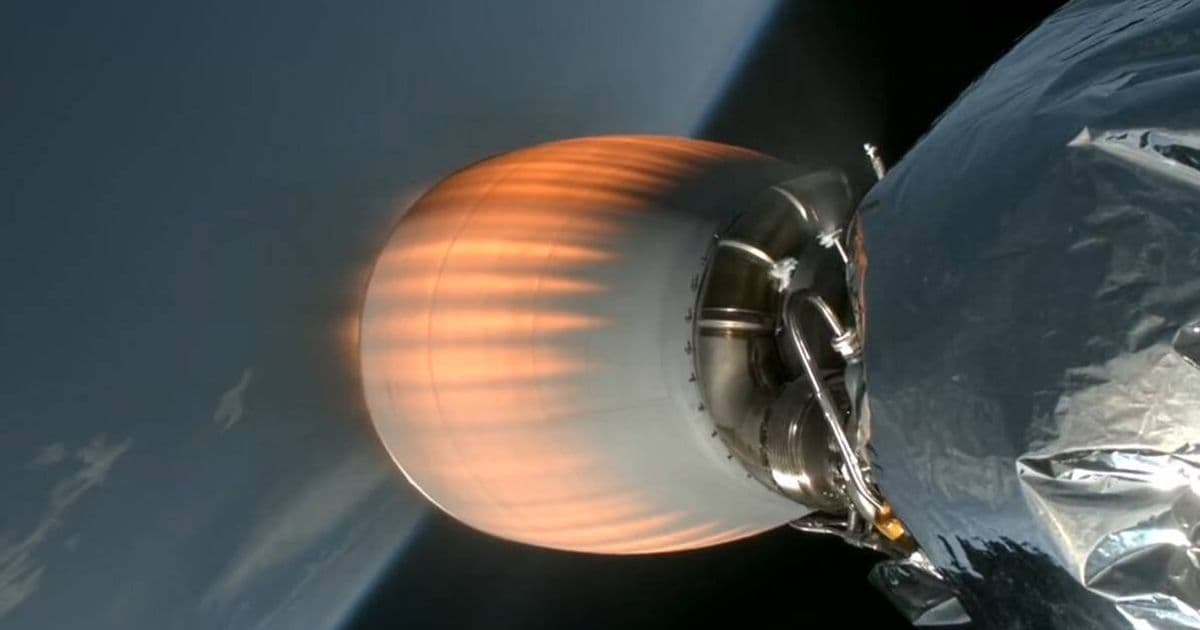
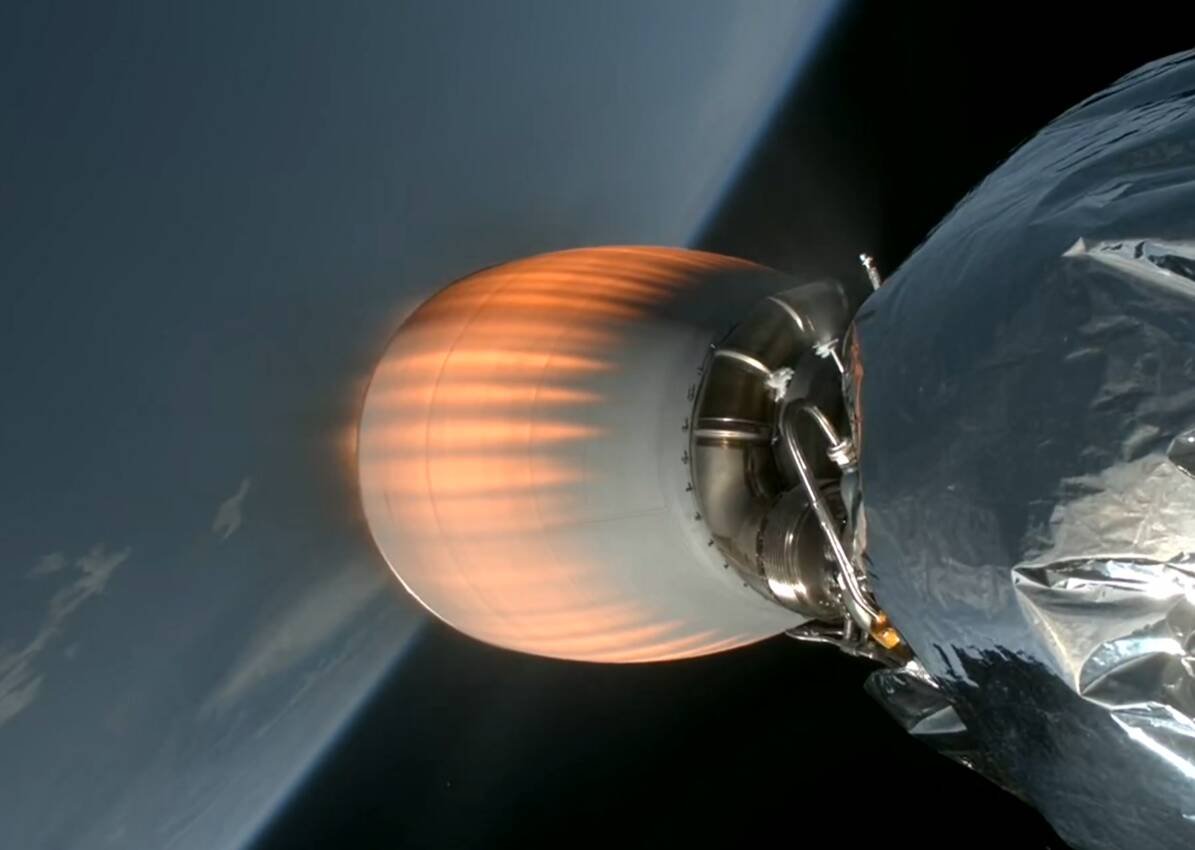
The Falcon 9 second stage uses a single Merlin Vacuum engine optimized for performance in the vacuum of space. The deorbit burn typically requires only a brief firing to lower the perigee sufficiently for atmospheric reentry. The failure of this critical maneuver raises questions about engine reliability, fuel management systems, or flight software that controls the burn sequence.
For the broader aerospace industry, this grounding serves as a reminder that even the most reliable launch vehicles can experience unexpected anomalies. SpaceX's Falcon 9 has established an impressive track record with over 300 successful launches, making this second stage issue particularly notable for its potential to disrupt operations.
Looking ahead
SpaceX teams are currently analyzing telemetry data to identify the root cause and implement corrective actions. The company has not provided a timeline for resuming flights, but industry observers note that resolving second stage issues typically requires thorough investigation and potentially hardware modifications.
The outcome of this investigation will be closely watched by NASA, commercial satellite operators, and international space agencies that rely on Falcon 9 for their launch needs. With the Crew-12 mission hanging in the balance, the pressure is on SpaceX to demonstrate both the cause of the anomaly and the effectiveness of their proposed solutions before returning the Falcon 9 to active service.
As the investigation continues, the aerospace community awaits clarity on whether this represents an isolated incident or points to deeper challenges in the Falcon 9's upper stage design that may require more extensive modifications to ensure the rocket's continued reliability for both cargo and crew missions.
Comments
Please log in or register to join the discussion