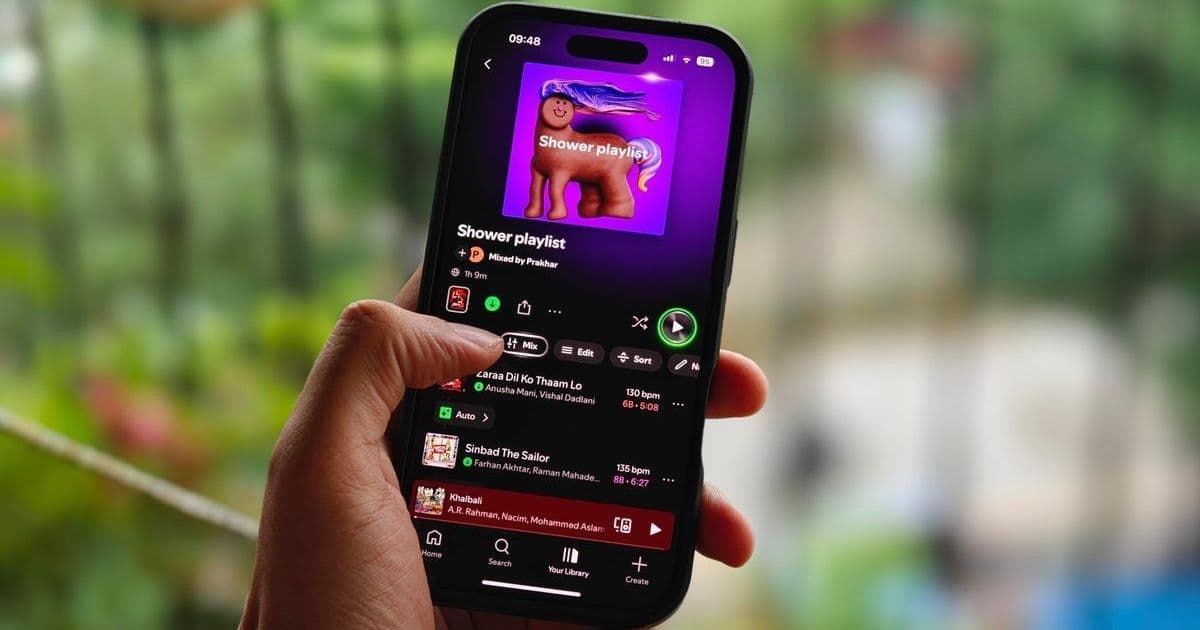
Spotify's new Mix feature uses AI to create seamless transitions between playlist songs, nearly convincing a longtime Apple Music loyalist to switch platforms. But Apple's impending AutoMix in iOS 26 promises similar capabilities with deeper ecosystem integration, reigniting platform loyalty wars through algorithmic artistry.
The Algorithmic Playlist Revolution: How AI DJs Are Transforming Music Streaming
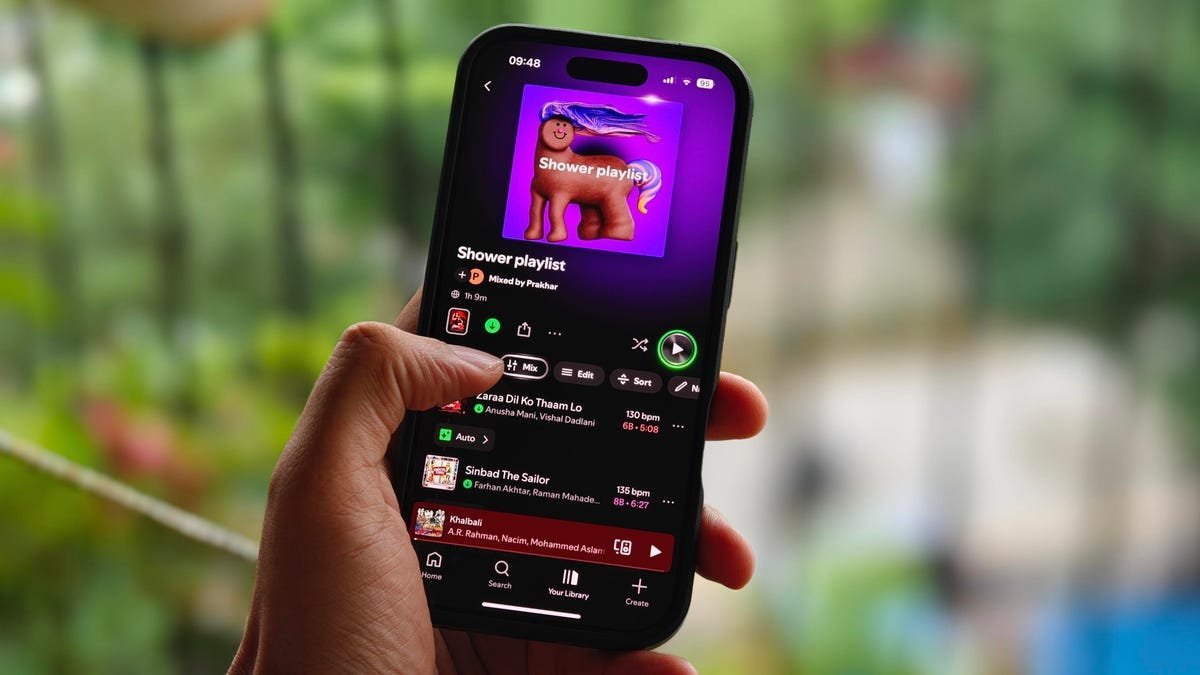
The quest for the perfect playlist transition—that magical moment when two songs blend like a professional DJ mix—has long frustrated music enthusiasts. As Spotify and Apple Music deploy new AI-powered features to solve this, they're not just smoothing song shifts; they're redefining how we experience curated music. For senior editor Sabrina Ortiz, a decade-long Apple Music user, Spotify's new Mix feature nearly triggered an unthinkable platform switch—until Apple's counterpunch with AutoMix in iOS 26 changed the game.
Beat-Matching AI Enters the Mainstream
Both streaming giants now leverage artificial intelligence to analyze track elements like tempo, key, and energy levels. Spotify Mix, released in August 2025 for Premium beta users, automatically blends songs in user-created playlists by adjusting "volume, EQ, and effect curves." Ortiz described her first experience during a road trip: "When executed properly, the transitions were done so well that it felt like an actual DJ was mixing the songs." One passenger even declared it "what smartphones were made for."
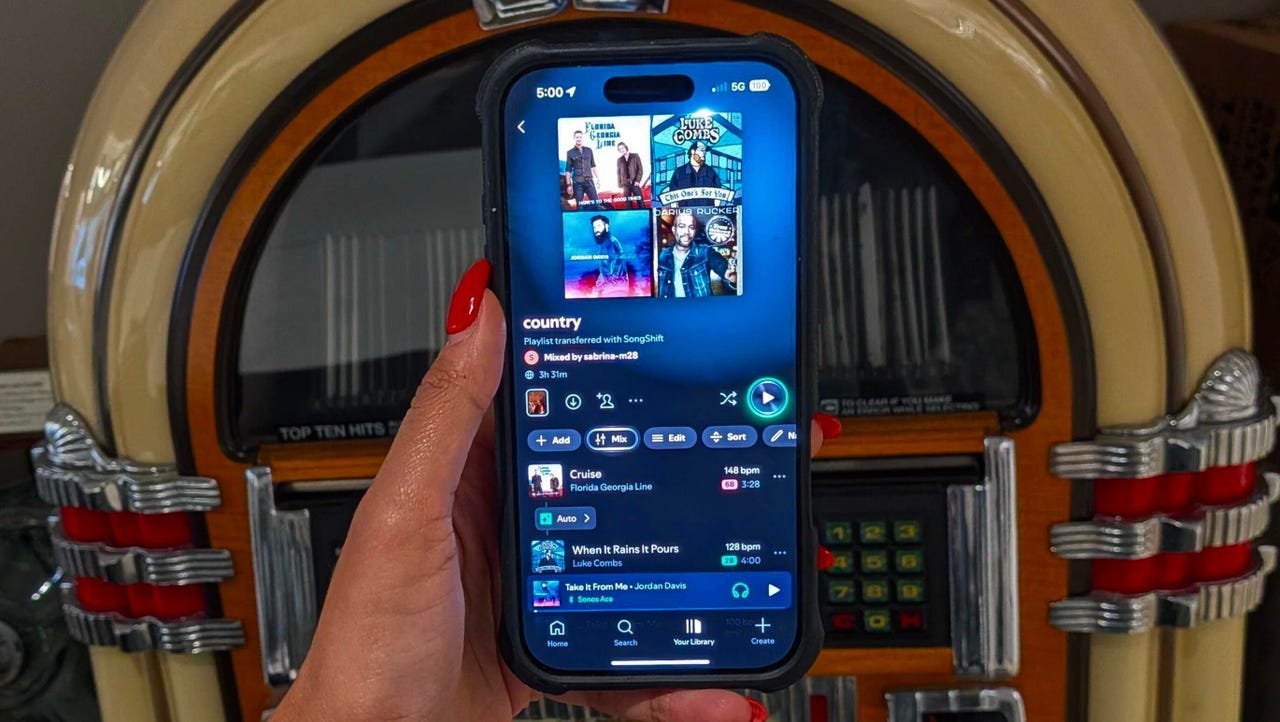 Spotify Mix's interface allows manual transition adjustments, though Ortiz found its automated selections reliably precise. (Credit: Sabrina Ortiz/ZDNET)
Meanwhile, Apple's AutoMix—unveiled at WWDC 2024 and launching with iOS 26—uses similar AI analysis but with a critical distinction: it works across any playlist, including Apple-curated and third-party collections. Unlike Spotify's existing AI DJ (a narrated radio-like experience Ortiz dismisses as inferior), AutoMix focuses purely on sonic fluidity. Early beta demos showcasing flawless beat-matching between disparate genres went viral, highlighting tracks morphing like a club set.
Why Ecosystem Loyalty Still Matters
Despite Spotify Mix's impressive performance, Ortiz cites three reasons she's holding out for AutoMix:
- Playlist Flexibility: AutoMix works universally, while Mix only functions on user-made playlists
- Native Integration: Apple Music's UI and iOS integration create a frictionless experience for iPhone users
- Cross-Platform Fatigue: Manually migrating dozens of playlists between services remains cumbersome
"As a music enjoyer who puts thought into every curated playlist, nothing's more frustrating than bad song transitions. These AI tools finally solve that," notes Ortiz. But she adds: "For entrenched ecosystem users, seamless design often outweighs standalone features."
The Bigger Beat: AI's Role in Streaming's Future
This isn't just about smoother playlists—it's a strategic shift toward algorithmic personalization as a retention tool. Both features transform static song lists into dynamic experiences, increasing engagement. For developers, it signals how on-device AI (like Apple's) and cloud-based processing (Spotify's strength) will compete to personalize media. As Ortiz observes: "The real winner is the listener. We're getting studio-quality mixing for our morning commutes."
With iOS 26's public release imminent, the AutoMix vs. Spotify Mix battle exemplifies how AI is becoming the invisible conductor of our digital lives—one perfectly timed bass drop at a time.
Source: ZDNET
Comments
Please log in or register to join the discussion