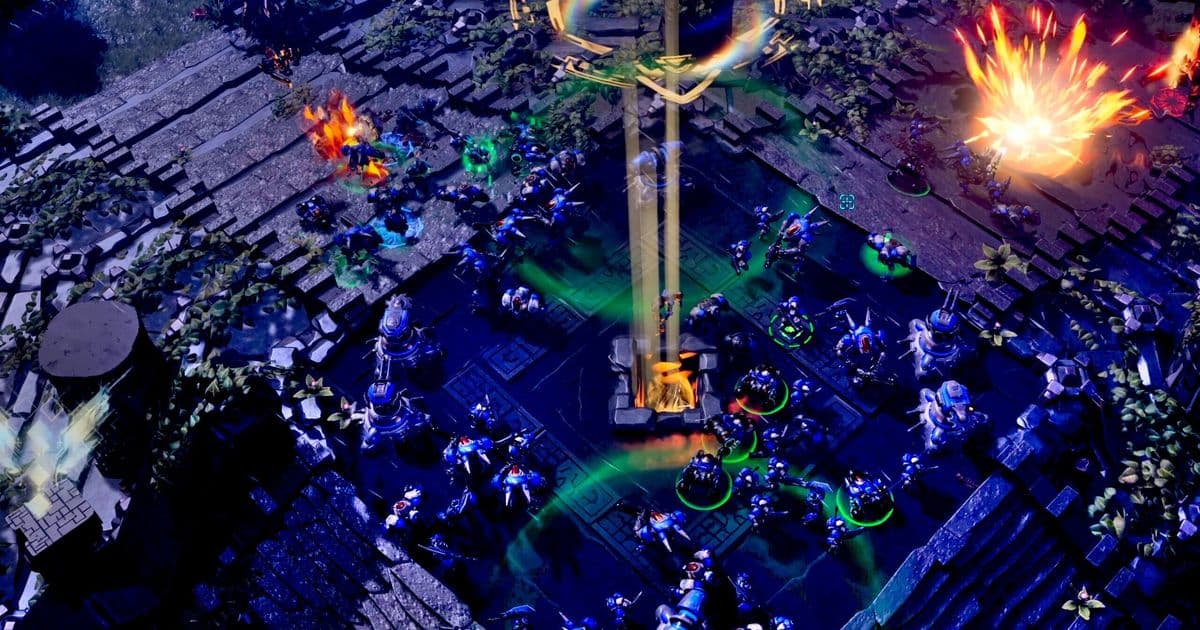
Stormgate, the highly anticipated RTS from ex-Blizzard veterans, faces a 'Mixed' reception on Steam despite $35M in funding. CEO Tim Morten attributes its struggles to market oversaturation and AI-driven development ease, but a wave of negative user reviews points squarely at controversial monetization and lackluster campaign quality.
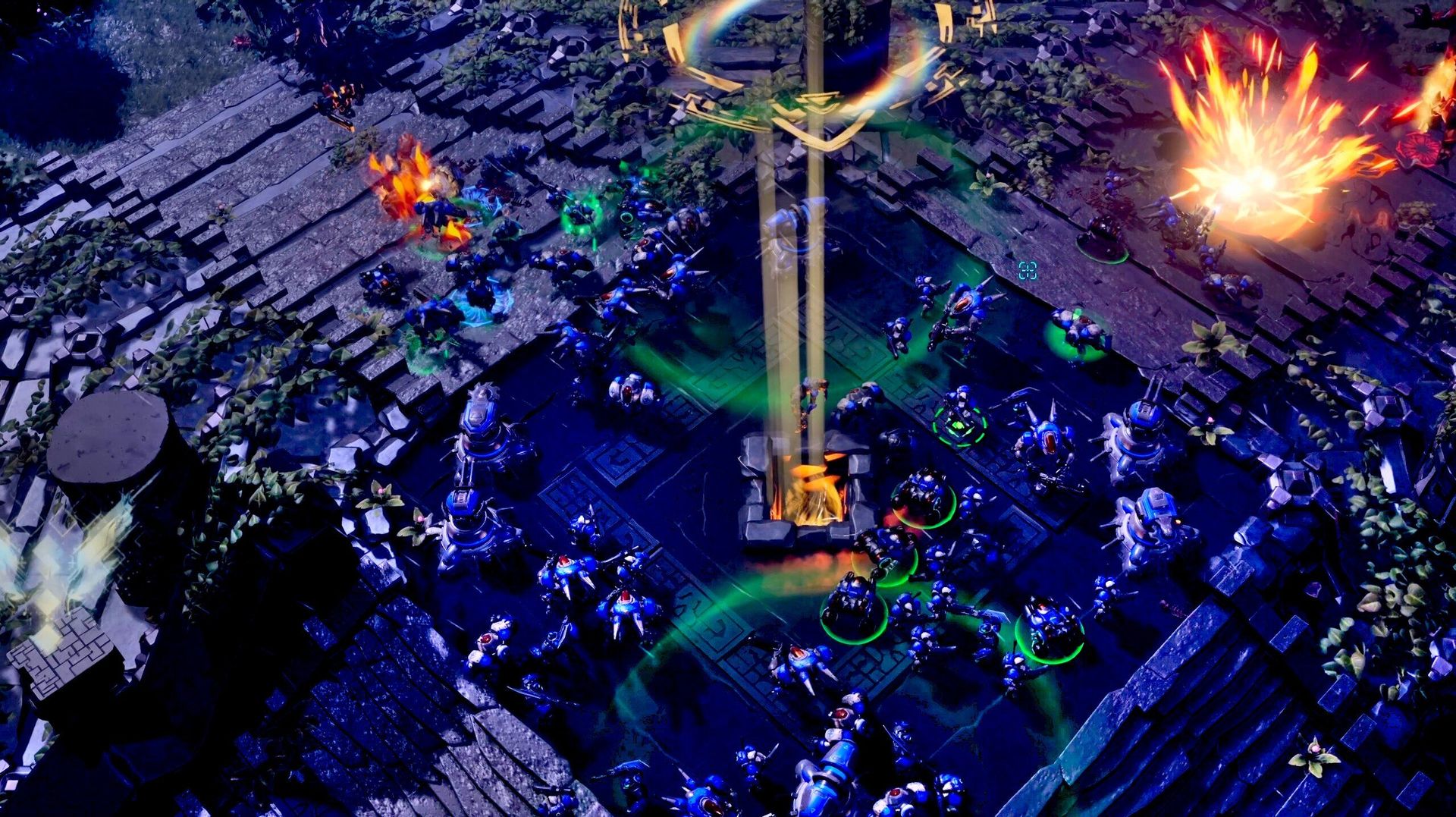
When Stormgate launched into Steam Early Access in July 2024, expectations were sky-high. Developed by Frost Giant Studios—a team led by ex-Blizzard veterans Tim Morten (StarCraft II: Legacy of the Void production lead) and Tim Campbell (Warcraft III: The Frozen Throne lead campaign designer)—and backed by a substantial $35 million from seed funding and a Kickstarter campaign, the free-to-play RTS promised an "Elden Ring moment" for the strategy genre. Instead, it rapidly sank to a "Mixed" user rating, with only half of its reviews positive.
Frost Giant CEO Tim Morten took to LinkedIn with a lengthy analysis titled "Why Frost Giant's Stormgate Failed: Oversaturation and the Rise of AI," arguing the game's commercial struggles stem from broader industry shifts, not its inherent quality. Morten cited a constricted gaming market where players have less time, an oversaturation of titles, and reduced capital for indies. He emphasized that "good games are failing today" and pointed to AI lowering development barriers as a key factor flooding the market.
"The bottom line is that success is now harder and less predictable. Extraordinary effort will have to go into differentiation and into marketing. Even then, there will be a greater element of luck involved than in the past, and a narrower window for success," Morten stated, accepting strategic responsibility while framing the challenge as largely external.
However, Steam user reviews paint a starkly different picture of Stormgate's shortcomings. Players overwhelmingly criticize its monetization structure, particularly regarding the handling of Kickstarter backer rewards and the pricing of the campaign. Many note that the $25 campaign offers only about three hours of content before pushing players toward further purchases. Performance issues, lack of polish, weak voice acting, thin lore, and uninspired mission design are also recurring themes.
One representative negative review from user "boedullus" encapsulates the sentiment:
"Passionate project doesn't translate to success product... the devs want me to pay more money for it? They know darn well their players overwhelmingly play the campaign only and not multiplayer, so this is a clear calculation to string along as many of their players as possible."
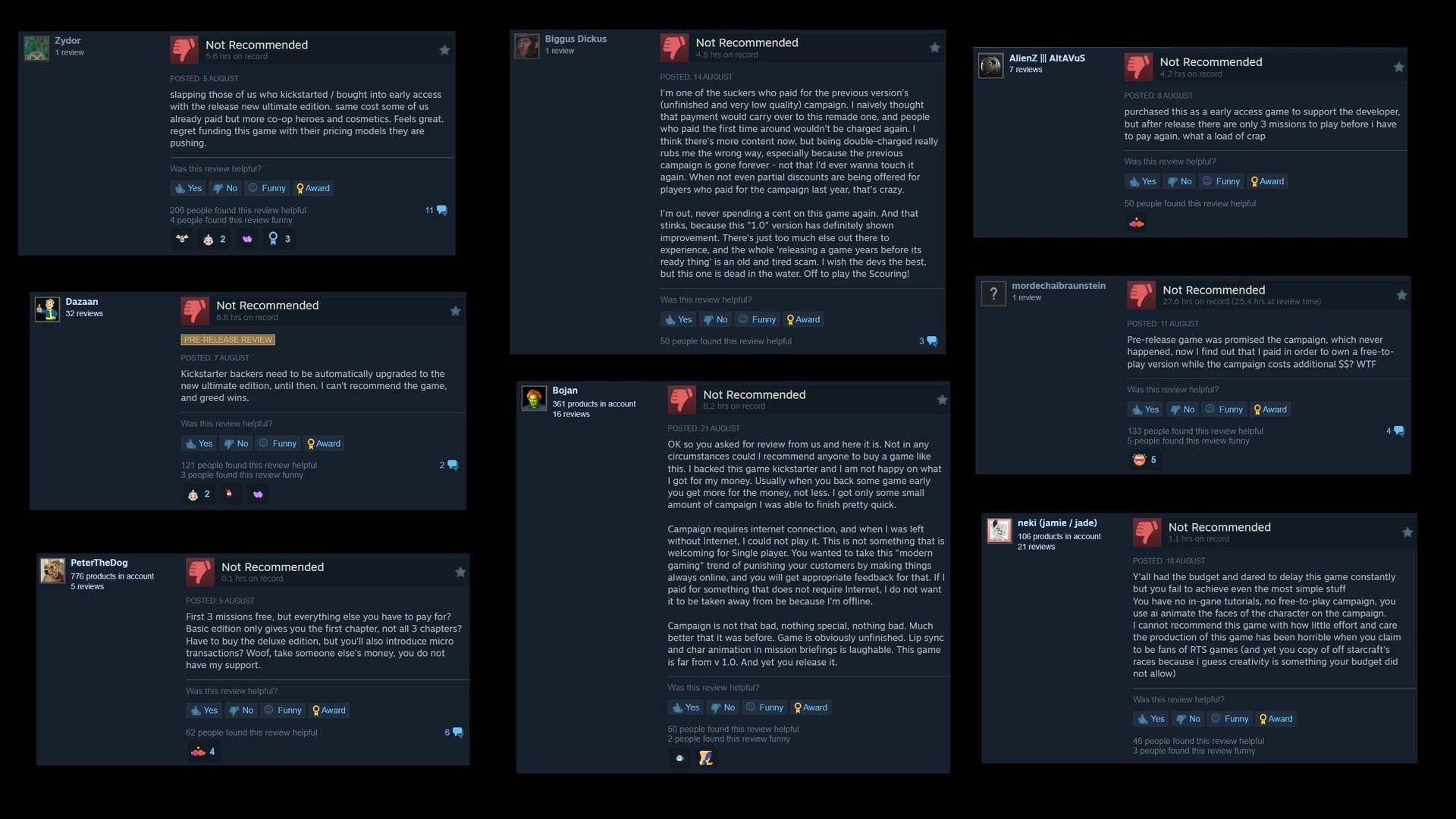
The disconnect between Morten's market-saturation thesis and the specific, pointed feedback from players highlights a critical challenge in modern game development. While oversaturation is undeniably a factor in today's crowded PC gaming landscape—where even well-marketed titles like Stormgate can struggle for attention—ignoring direct user concerns about core product execution and perceived predatory monetization risks alienating the very community Frost Giant aimed to serve. Stormgate’s journey serves as a cautionary tale: significant funding and veteran talent are no guarantee of success if the product’s value proposition and player trust falter at launch, regardless of market conditions. Blaming external factors rings hollow when players cite tangible frustrations with the game itself.
Comments
Please log in or register to join the discussion