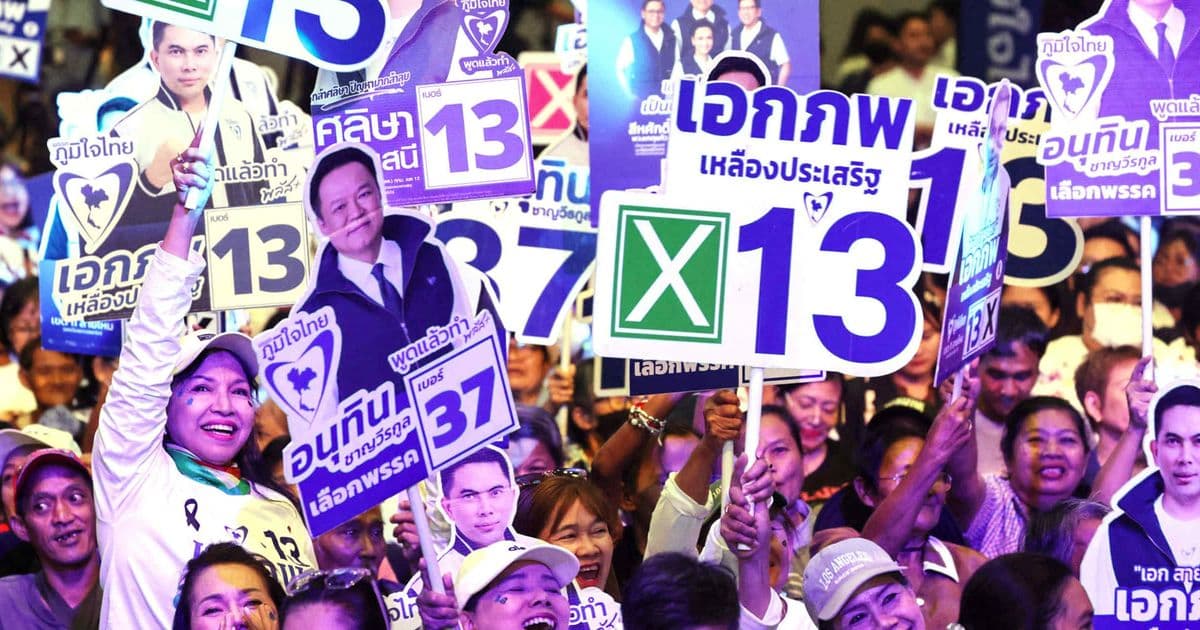
Thailand's major parties hold final Bangkok rallies ahead of Sunday's election, with youth voters seen as decisive in shaping the country's political future.
Thailand's three largest political parties held major campaign rallies in Bangkok on Friday, making their final appeals to voters just two days before Sunday's general election. The high-stakes contest comes as the country grapples with economic challenges, rural development needs, and calls for constitutional reform.
Youth Vote Emerges as Decisive Factor
The election has taken on particular significance as young voters weigh their choices in what could be a generational shift in Thai politics. With Thailand's median age around 40 years old, younger demographics represent a substantial voting bloc whose priorities may reshape traditional party platforms.
Political analysts note that economic concerns top the list of issues for younger voters, who have faced wage stagnation and rising living costs. The Thai economy grew by just 2.6% in 2023, below the regional average, creating pressure on parties to present compelling economic recovery plans.
Major Parties Present Final Pitches
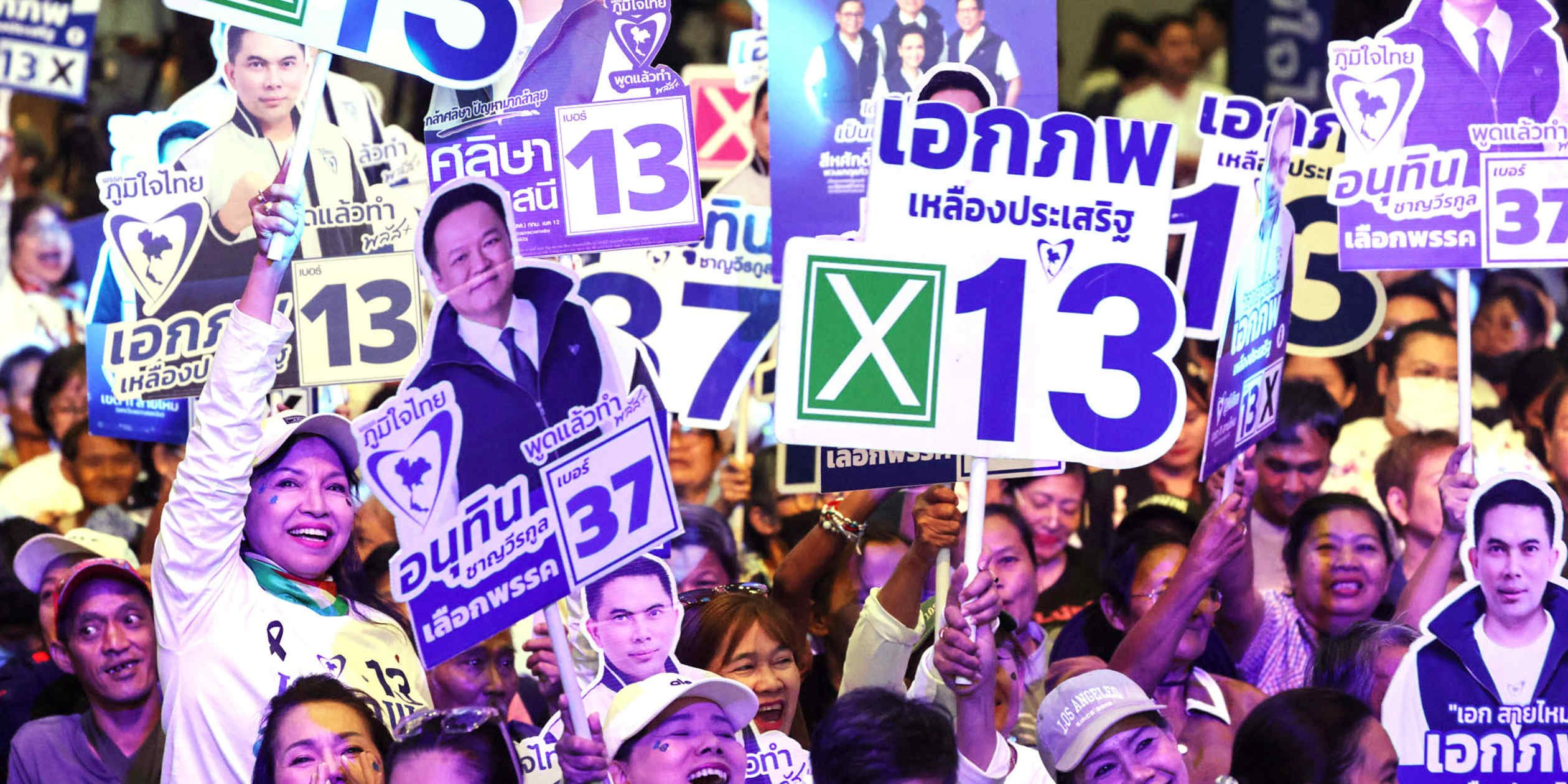
Bhumjaithai Party: Led by Prime Minister Anutin Charnvirakul, the party has gained ground by emphasizing rural development and infrastructure projects. Their rally in Bangkok showcased their "Thai Pride" campaign, pushing ultra-patriotic credentials while promising continued investment in healthcare and transportation.
Pheu Thai Party: The opposition frontrunner, associated with the influential Shinawatra family, aims for 200 seats according to party insiders. Their platform focuses on economic stimulus through subsidies and social welfare programs, though critics question the sustainability of their spending proposals.
Democrat Party: Thailand's oldest political party is positioning itself as a moderate alternative, emphasizing fiscal responsibility and gradual constitutional reform. Their Bangkok rally stressed the need for political stability to attract foreign investment.
Economic Issues Dominate Campaign
With Thailand's economy slowing, parties have made economic recovery central to their campaigns. The country faces several headwinds:
- Tourism, traditionally a major economic driver, has yet to fully recover from pandemic disruptions
- Export growth has been sluggish amid global trade tensions
- Household debt levels remain elevated at over 90% of GDP
Constitutional Reform Remains Contentious
Beyond economic issues, the election will also determine the future of Thailand's constitution. A parallel vote on constitutional amendments has created additional complexity, with younger voters particularly interested in reducing military influence in politics.
The current constitution, drafted under military oversight following the 2014 coup, has been criticized for concentrating power in appointed rather than elected officials. Reform advocates argue this structure has hindered democratic development and economic dynamism.
Rural-Urban Divide Persists
Despite Bangkok's status as the political center, rural concerns remain pivotal. The northeastern Isaan region, Thailand's poorest area, has historically been a battleground for major parties promising development funds and price supports for farmers.
Bhumjaithai has particularly strong support in rural areas, where their healthcare initiatives have built goodwill. Meanwhile, Pheu Thai's populist policies resonate with agricultural communities facing economic pressure.
What's at Stake
The election outcome will determine Thailand's political direction for the next four years and potentially reshape its relationship with regional powers. As a key U.S. ally in Southeast Asia, Thailand's internal political stability has implications for regional security dynamics.
With polls showing a tight race and youth voters potentially swinging the result, Sunday's election could mark a turning point in Thai politics. The high turnout expected suggests voters recognize the stakes, with many seeing this as an opportunity to address long-standing economic and political challenges.
The results will also test whether Thailand can break from recent patterns of political instability that have included multiple coups and frequent changes in government. For a country that has long been a regional economic success story, the election represents a critical moment in balancing democratic aspirations with economic development needs.
Comments
Please log in or register to join the discussion