
A tiny startup, Nimo, launches Infinity—a radical Chromium-based browser turning apps into AI-generated canvases—days after OpenAI's Atlas debut. Meanwhile, solar-powered security cameras, e-ink photo frames, and Intel's AI pop-up stores signal a hardware landscape increasingly defined by intelligence and ambient computing.
Just days after OpenAI unveiled its ChatGPT-powered Atlas browser, a lesser-known contender, Nimo, has entered the arena with an even more radical vision. Nimo Infinity, currently in beta for macOS, represents a significant pivot for the startup, abandoning its initial spatial computing smart glasses ambitions (akin to Sightful's Spacetop) for a generative approach to the browser itself. 
Beyond Tabs: The Generative Canvas Browser
Nimo Infinity transforms your desktop into an AI-powered workspace. Built on Chromium, it connects to your existing apps (like Gmail and Google Calendar) and uses an assistant (primarily Anthropic's Claude) to create custom "Dynamic Apps." Imagine commanding: "Create a beautiful daily meeting prep app"—Nimo would then merge calendar events with relevant emails, generating a tailored interface. It aims to replace traditional app interactions with contextual, AI-generated canvases. While promising, early testing revealed bugs; attempts to generate a Dynamic App stalled for over 30 minutes, highlighting its beta status. Founder Rohildev Nattukallingal confirms a freemium model is planned, with core features like Dynamic Apps costing $20/month. Why it matters: Nimo joins a growing movement attempting to dismantle traditional app silos using generative AI, pushing the browser from a passive viewer to an active workspace creator.
Ambient Tech: Power and Displays Evolve
Beyond browsers, this week showcased hardware leveraging intelligence and efficiency:
- E-Ink Gets Colorful (and Cordless): Aura's new Ink frame ($499) ditches the power cord and LCD screen for E Ink's Spectra 6 technology. Its algorithm translates photos into a vibrant, newspaper-like style using just six colors. The result? A battery life stretching up to three months, with pictures refreshing overnight (a 30-second process).

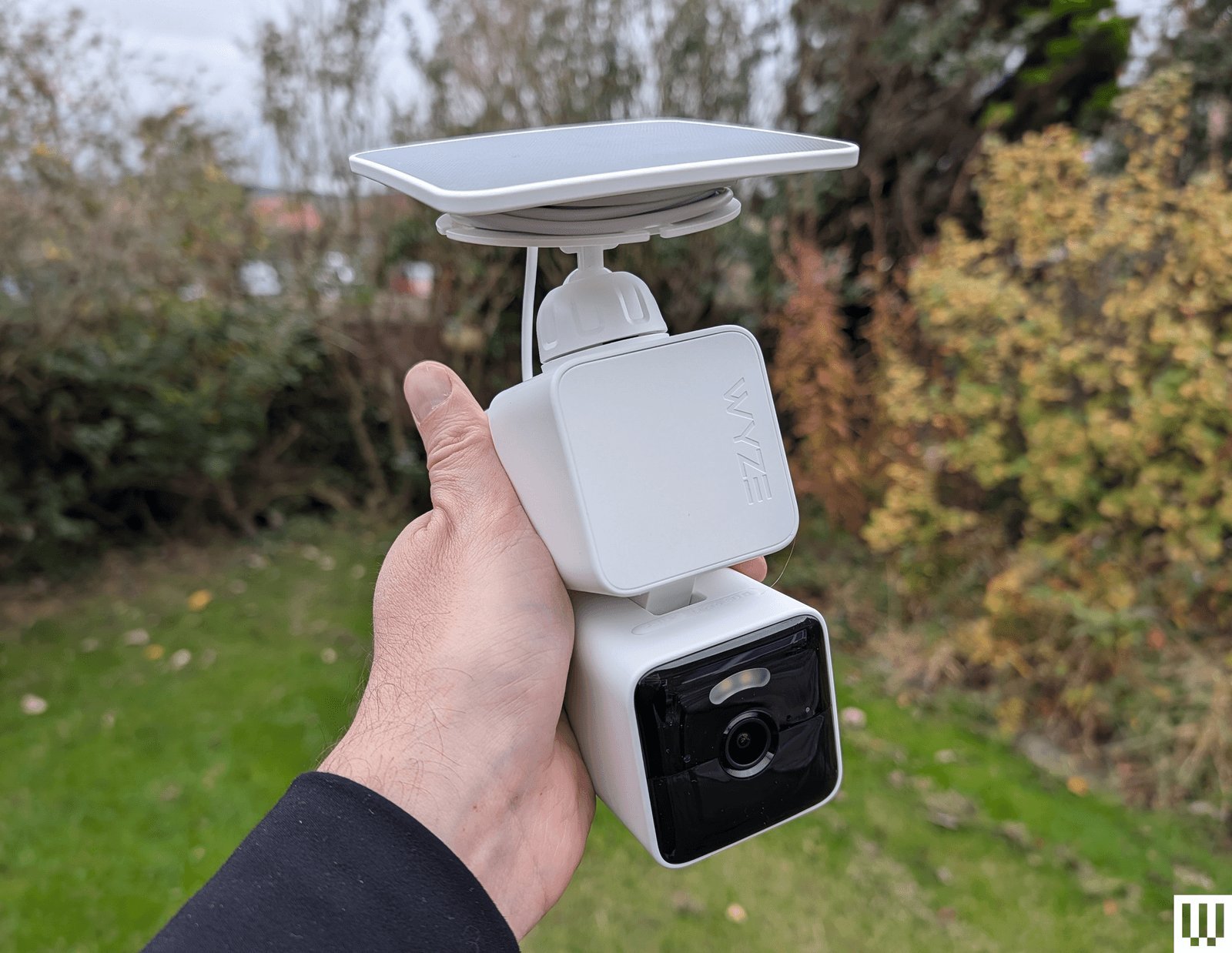
- Solar-Powered Surveillance: Battery drain plagues outdoor security cameras. Wyze and TP-Link both launched solar solutions:
- Wyze Solar Cam Pan ($80): A 2K pan/tilt camera claiming just one hour of daily sun keeps it running. Features include color night vision, a spotlight, siren, and AI person tracking (requires $3/month sub). Wyze also debuted a $66 Battery Video Doorbell.
- TP-Link Tapo C615F Kit ($100): Combines a 2K pan/tilt camera with an 800-lumen adjustable floodlight. Its solar panel, with a 13-foot cable, allegedly needs only 45 minutes of sun daily.
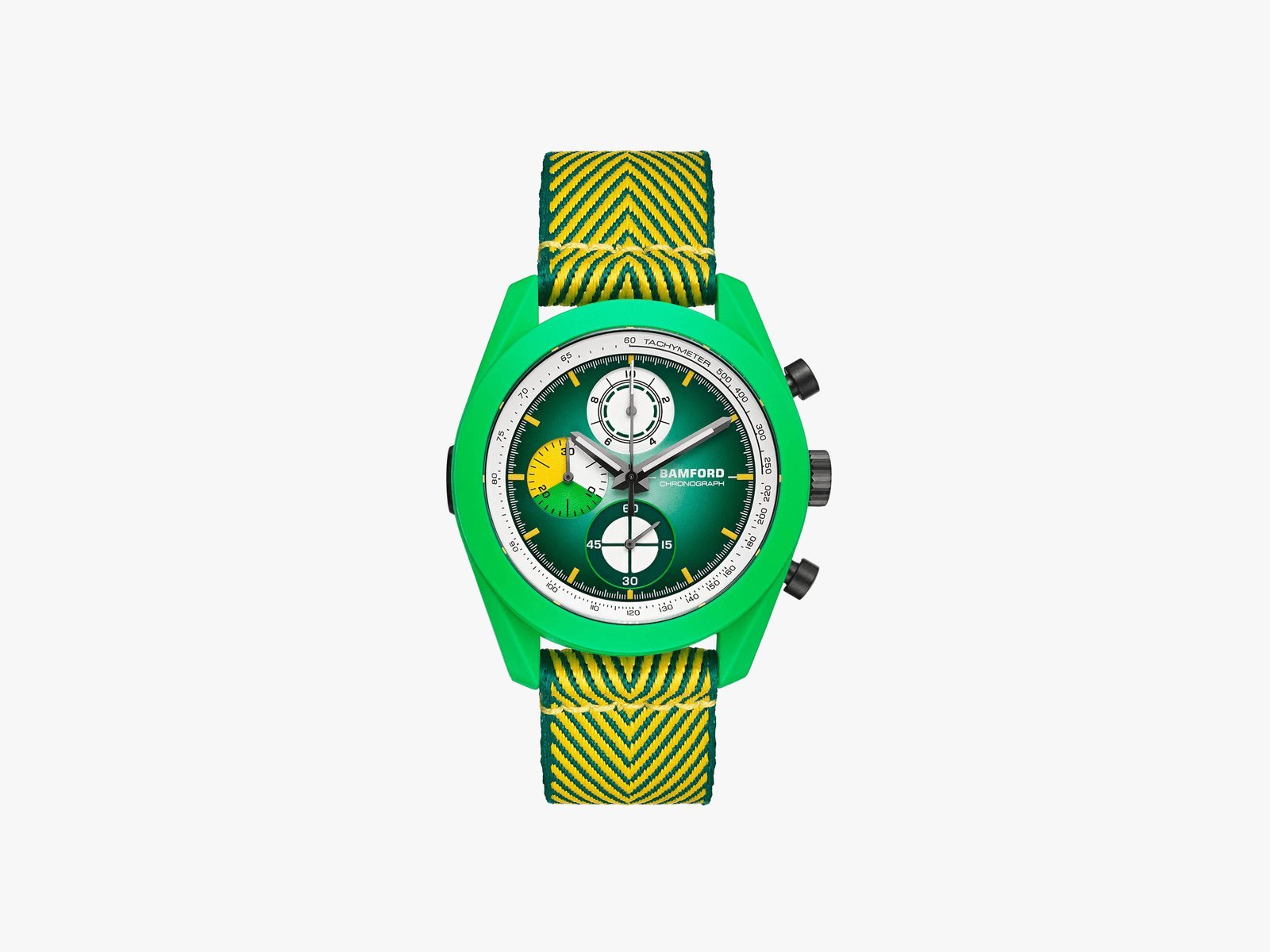
- Modular Timekeeping: Bamford's Mayfair 2.0 watch (£495) features a Swiss quartz chronograph movement but stands out with interchangeable high-density polymer outer cases and straps for instant style changes, offering 100m water resistance.
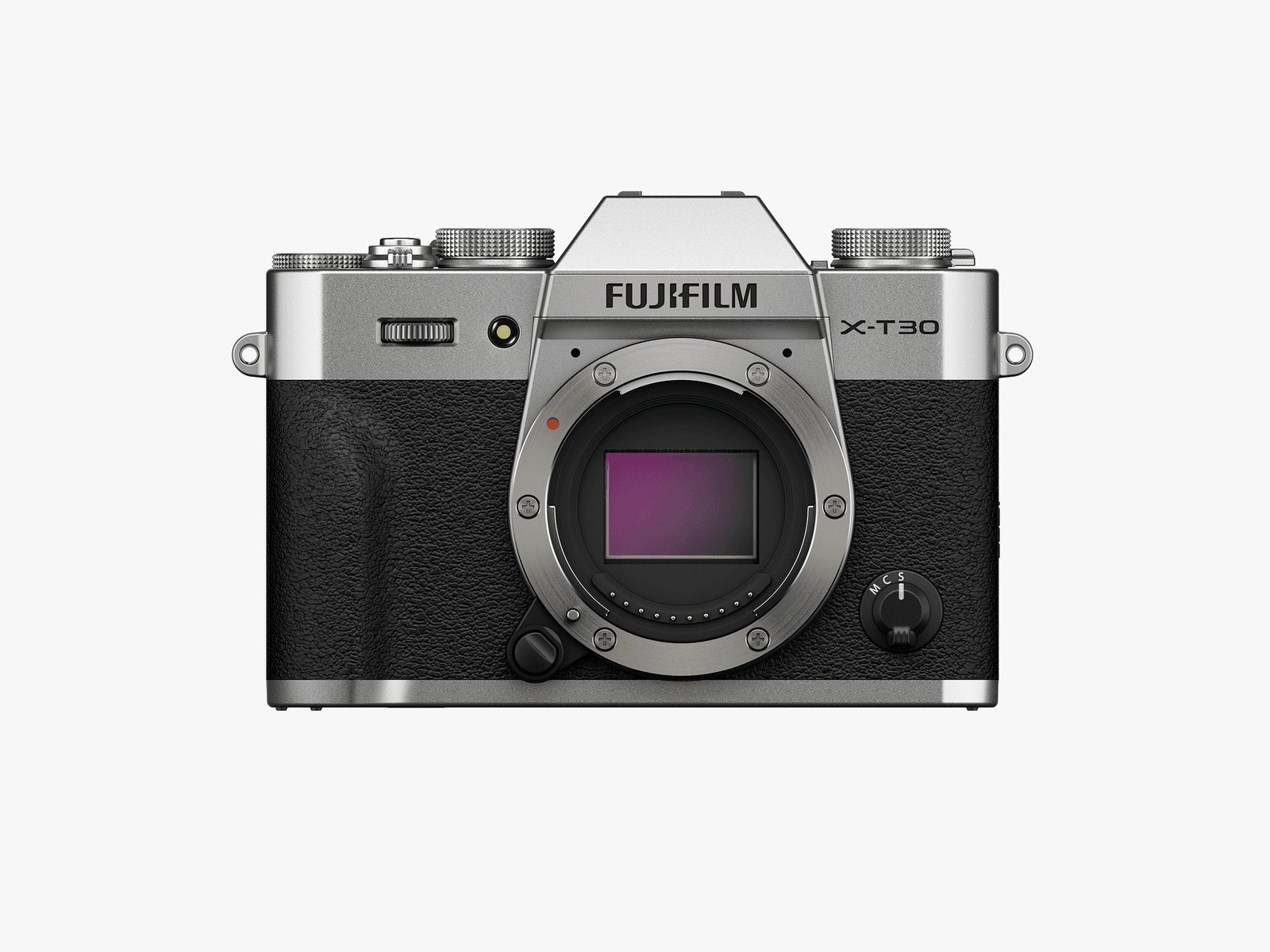
- Fujifilm's Incremental Update: The X-T30 III ($999 body) retains its popular SLR-style body but upgrades to the X-Processor 5 (matching higher-end models), enabling 6.2K open-gate video and improved autofocus. The main physical change swaps a control dial for a film simulation dial.
AI Goes Physical: Intel's Pop-Up Push
Capitalizing on the AI hype cycle, Intel is launching "AI Experience Stores" in key global cities (NYC, London, Munich, Paris, Seoul) through November and December. Modeled after a London trial, these pop-ups aim to immerse shoppers in AI-powered experiences on Windows laptops, directly supporting Microsoft's push to showcase Windows 11's new AI features. It’s a tangible marketing effort to move AI from abstract concept to hands-on consumer reality.
The Takeaway: Blurring Lines, Charging Forward
Nimo Infinity’s bold, if buggy, vision of generative interfaces challenges not just browsers but fundamental app interaction models. Simultaneously, innovations in ambient power (solar cameras, e-ink efficiency) and modular hardware design demonstrate a hardware ecosystem increasingly intertwined with intelligence and user personalization. This week underscores a relentless trend: AI is no longer just a feature; it's reshaping how we interact with both software and hardware, demanding new interfaces and powering devices that fade into the background of our lives.
Source: WIRED
Comments
Please log in or register to join the discussion