
The traditional text cursor, long the focal point of programming, is fading from prominence as modern developer tools prioritize flow state, context awareness, and direct manipulation over explicit text editing. This shift towards 'vibe coding' reflects deeper changes in how software is built and maintained.
For decades, the blinking text cursor was the undeniable centerpiece of a programmer's universe. Every line of code, every bug fix, every algorithm emerged character by character under its precise, rhythmic pulse. It represented direct command over the machine's instructions, a tangible link between thought and execution. Yet, an evolution in tools and methodologies is quietly diminishing the cursor's dominance, ushering in an era some dub 'vibe coding' – prioritizing developer flow state, context awareness, and abstraction over granular text manipulation.
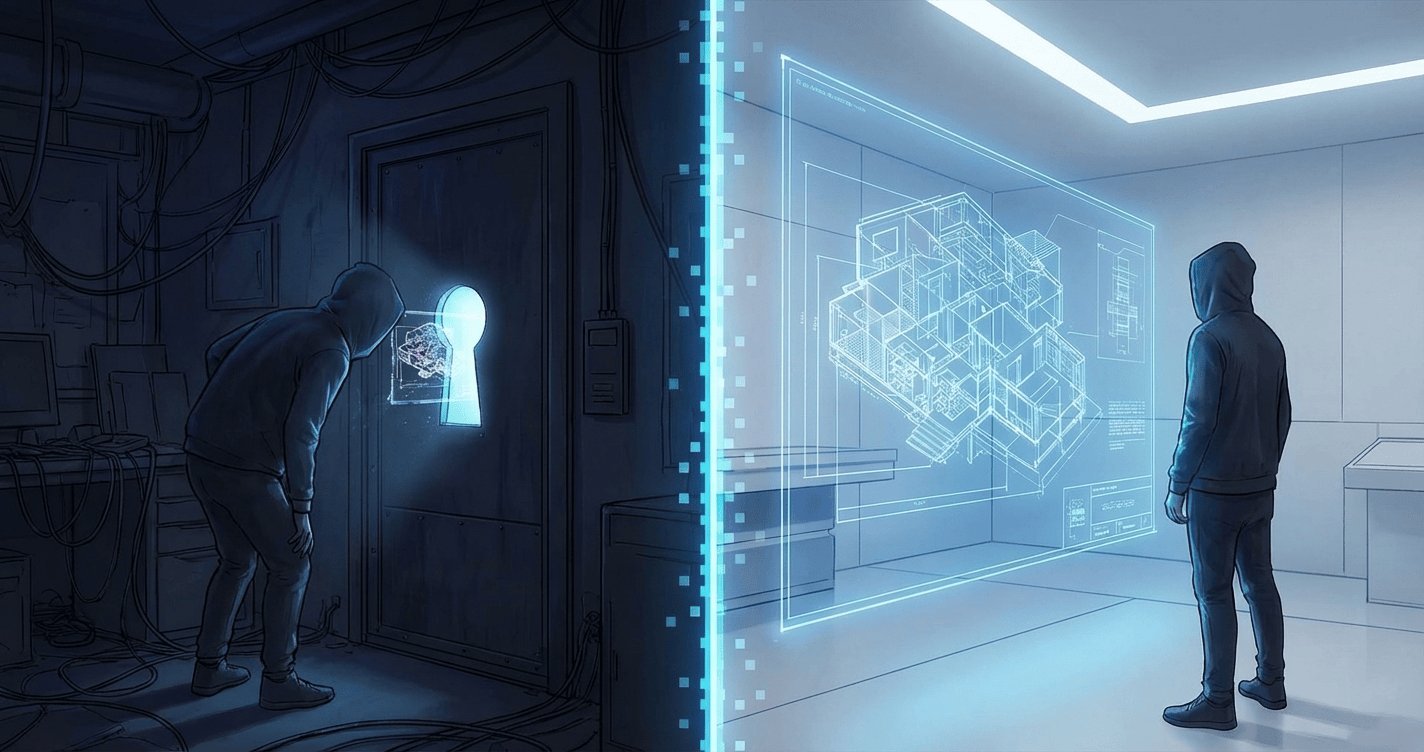
This transition isn't merely cosmetic. It signifies a fundamental shift in the developer experience:
- Beyond Textual Linearity: Modern IDEs and AI-powered assistants increasingly understand intent rather than just keystrokes. Features like GitHub Copilot suggest entire blocks of code based on comments or partial lines, bypassing the need to meticulously position the cursor and type each symbol. Visual programming environments, low-code platforms, and sophisticated refactoring tools allow manipulating program structure and logic at a higher level of abstraction.
- Context is King: "Vibe coding" tools focus intensely on the developer's current context – the file being edited, the surrounding code, the debugging state, the task at hand. Intelligent autocompletion, in-line documentation popups, and error highlighting provide information where the developer's attention naturally lies, reducing the cognitive load of constantly moving the cursor to seek information. The environment anticipates needs based on the 'vibe' of the work.
- Optimizing for Flow: The explicit movement and positioning of the cursor represent micro-interruptions to the developer's flow state. Tools minimizing cursor dependency aim to keep developers 'in the zone.' Voice coding, although niche, eliminates the cursor entirely for some tasks. Hotkey-driven navigation and manipulation (like Vim modes or JetBrains IDE actions) aim for efficiency, but even these acknowledge the cursor's limitations compared to direct manipulation of concepts.
Implications for the Future:
The decline of the cursor-centric model doesn't signal its extinction – text remains fundamental. However, it highlights a crucial trend: the locus of control is shifting. Developers increasingly interact with intelligent systems that mediate their intent and handle low-level implementation details. This raises questions:
- Does deeper abstraction risk disconnecting developers from underlying systems? Understanding fundamentals remains critical for debugging complex issues and designing robust systems, even if daily coding involves less manual text entry.
- How do we design tools that enhance understanding alongside productivity? The best "vibe coding" environments don't just generate code; they enhance the developer's comprehension of the system as they build it.
- What defines mastery in this new paradigm? Expertise may shift further towards system design, problem decomposition, and effectively guiding AI collaborators, with less emphasis on raw typing speed or memorizing API minutiae.
The blinking cursor was an icon of an era defined by direct textual command. Its gradual retreat marks the ascent of environments prioritizing cognitive flow, contextual intelligence, and higher-level interaction – a 'vibe' focused not just on writing code, but on shaping understanding and accelerating creation.
(Source: Analysis based on concepts explored in 'How Vibe Coding Killed Cursor' by Ischemist.)
Comments
Please log in or register to join the discussion