
Preserving classic video games requires more than technical wizardry—it demands private investigators, legal archaeology, and an ongoing fight against DRM decay. CD Projekt's GOG reveals the extraordinary lengths needed to rescue gaming history from obsolescence and corporate neglect.

For over a decade, CD Projekt's GOG.com has waged a silent war against digital decay. What began as a mission to make classic PC games accessible on modern systems has evolved into a complex operation involving private investigators, rights-holder treasure hunts, and technical reverse-engineering that even its architects underestimated. As Marcin Paczynski, GOG's senior business development manager, bluntly told The Game Business: "To be perfectly honest, it's harder than we thought it would be."
The Double Threat: Crumbling Code and Vanishing Rights
Game preservation faces twin obstacles that intensify with time:
Technical Rot:
"Games and how they work has deteriorated way faster than we thought. We're not talking only about the game not launching. We're talking about more subtle things like the game not supporting modern controllers, ultra-widescreen resolutions, or even the inability to minimize the window—which is an essential feature today."
— Marcin Paczynski
Rights Archaeology: GOG once deployed a private investigator to track down a reclusive UK citizen who unknowingly inherited rights to multiple games. Paczynski notes the individual was "super supportive of preserving his family's legacy"—a rare win in an industry where corporate acquisitions and defunct studios scatter intellectual property across continents and legal entities.
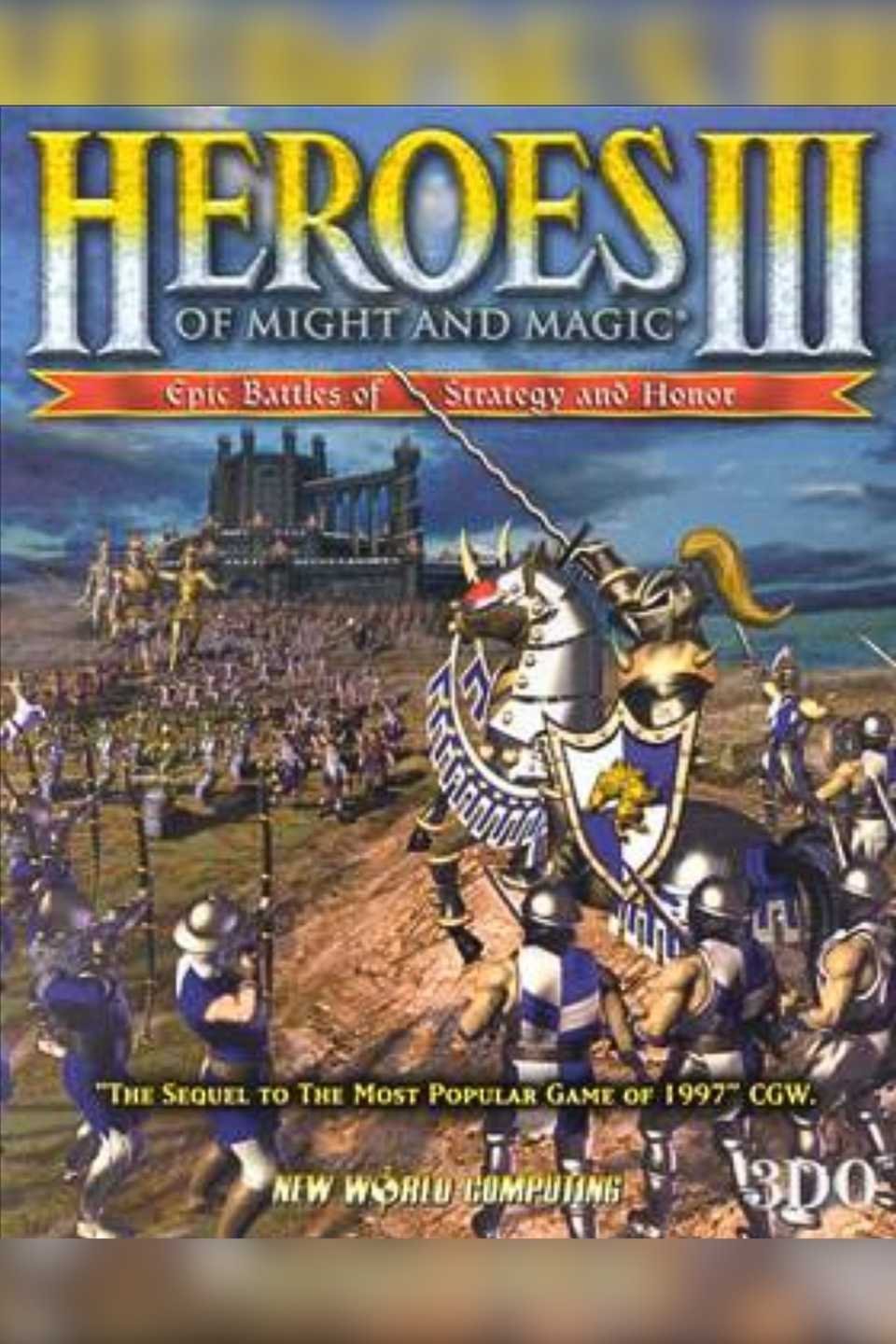 Heroes of Might and Magic III (1999) exemplifies titles needing extensive rehabilitation for modern systems
DRM: Preservation's Arch-Nemesis
Digital Rights Management (DRM) systems designed to thwart piracy now threaten gaming history. Titles tied to defunct services like Games for Windows Live become unplayable without community patches—a problem Paczynski argues could be mitigated if AAA studios removed DRM after 3-5 years. "This will never happen because executives don't care about preserving games," he concedes, highlighting a fundamental conflict between corporate priorities and cultural preservation.
The Nightdive Blueprint
Parallel efforts like Nightdive Studios demonstrate alternative paths. Founded when CEO Stephen Kick couldn't play the original System Shock, the company tracked down the franchise's rights holders (an insurance company), acquired them, and spearheaded acclaimed remasters. This developer-led model proves preservation often requires passionate individuals willing to navigate legal labyrinths.
Why This Fight Matters
As gaming approaches its 8th decade, unplayable classics represent more than nostalgia—they're vanishing chapters in digital culture. Each lost game erases design innovations, artistic achievements, and historical context. GOG's struggles reveal an urgent need for:
- Industry-wide DRM sunsetting policies
- Legal frameworks for orphaned IP
- Standardized emulation libraries
Preservation isn't merely about replaying old games; it's about maintaining access to our digital heritage before licenses dissolve and code evaporates. Without systemic change, future historians may study gaming's golden age through YouTube clips and fragmented code repositories—a pixelated Pompeii buried under layers of corporate indifference.
Comments
Please log in or register to join the discussion