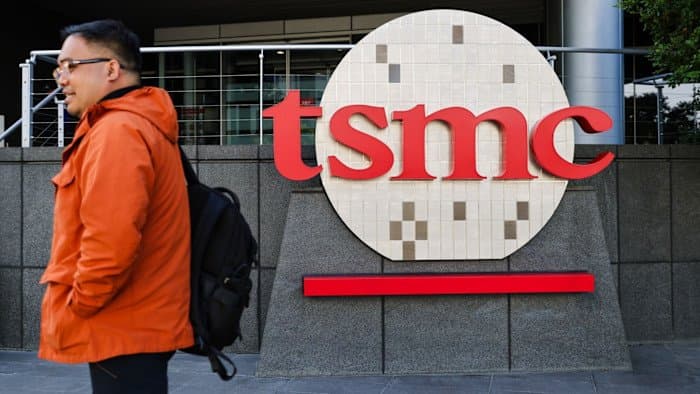
Taiwan Semiconductor Manufacturing Company will invest another $100 billion to build four additional fabs in Arizona, expanding its US footprint to avoid potential tariffs and secure supply chains.
Taiwan Semiconductor Manufacturing Company (TSMC) is planning a massive $100 billion investment to build four additional semiconductor fabrication plants in Arizona, according to sources familiar with the matter. This expansion would significantly increase the company's US manufacturing footprint beyond its existing facilities and represents one of the largest foreign direct investments in American history.
The move comes as TSMC seeks to protect its chip sales from potential tariffs while securing its position in the critical US semiconductor supply chain. The company's Arizona site already has land allocated for four additional fabs, suggesting this expansion was part of the original master plan for the facility.
Strategic Implications
TSMC's decision reflects the growing importance of geographic diversification in semiconductor manufacturing. The company, which produces chips for Apple, Nvidia, and other major tech firms, faces increasing pressure to establish domestic production capabilities in key markets.
This investment aligns with broader US efforts to reshore semiconductor manufacturing through the CHIPS Act, which provides incentives for companies to build fabs domestically. TSMC has already committed billions to its Arizona operations, with its first fab expected to begin production this year.
Market Context
The semiconductor industry has become a focal point in US-China trade tensions, with chips representing critical national security infrastructure. TSMC's expansion helps insulate its US customers from potential supply chain disruptions and tariff-related cost increases.
The timing is particularly significant given recent trade policy developments and the strategic importance of advanced semiconductor manufacturing capabilities. TSMC's 3-nanometer and upcoming 2-nanometer process technologies represent the cutting edge of chip manufacturing, making these facilities particularly valuable.
Economic Impact
The $100 billion investment would create thousands of high-skilled jobs in Arizona and generate significant economic activity in the region. Each advanced fab represents an investment of $10-20 billion, making this one of the largest industrial projects in US history.
TSMC's expansion also benefits its major customers, who rely on the company's advanced manufacturing capabilities. Apple, which accounts for a significant portion of TSMC's business, stands to gain from increased domestic production capacity for its custom silicon.
Industry Response
Other semiconductor companies are watching TSMC's moves closely, as they could influence broader industry trends in geographic diversification. Intel and Samsung, TSMC's main competitors, have also announced significant US expansion plans, though at smaller scales.
The investment demonstrates TSMC's commitment to the US market despite the higher costs associated with domestic manufacturing compared to its Taiwan operations. Labor costs, regulatory requirements, and supply chain logistics all contribute to increased expenses for US-based fabs.
Technical Considerations
Building advanced semiconductor fabs requires specialized expertise, equipment, and infrastructure. TSMC's ability to execute this expansion successfully will depend on its capacity to transfer knowledge and maintain quality standards across international borders.
The company will need to navigate complex regulatory requirements, secure specialized equipment from suppliers, and build a skilled workforce capable of operating cutting-edge manufacturing processes.
Future Outlook
TSMC's expansion plans suggest continued strong demand for advanced semiconductors across multiple sectors, including artificial intelligence, automotive, and consumer electronics. The company's investment decisions often serve as leading indicators for broader technology trends.
As geopolitical tensions persist and supply chain resilience becomes increasingly important, TSMC's bet on US manufacturing could prove prescient. The company's ability to execute this massive expansion while maintaining its technological leadership will be closely watched by industry observers.
This investment represents not just a business decision but a strategic positioning that could reshape the global semiconductor landscape for years to come. TSMC's commitment to US manufacturing, combined with similar moves by other industry players, suggests a fundamental shift in how and where advanced chips are produced.
Comments
Please log in or register to join the discussion