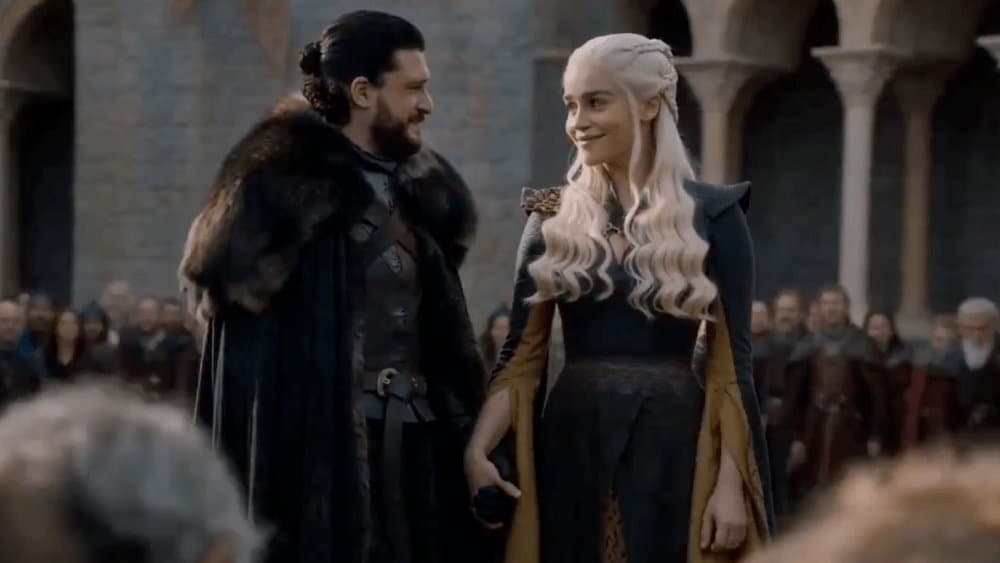
Warner Bros. Discovery has sent a cease-and-desist letter to ByteDance over alleged unauthorized use of its characters in AI training for the Seedance video tool, joining Disney and Paramount in escalating legal pressure on the Chinese tech giant.
Warner Bros. Discovery has escalated the legal battle against ByteDance's AI video tool Seedance, joining Disney and Paramount in demanding the Chinese tech giant cease using Warner Bros. characters for AI training purposes.
The studio's legal counsel fired off a letter on Tuesday to John Rogovin, the general counsel of ByteDance, who happens to be a former Warner Bros. executive. The cease-and-desist letter alleges that ByteDance has been using Warner Bros.' intellectual property without authorization to train its AI video generation system.
This marks the third major Hollywood studio to take legal action against ByteDance over Seedance, following similar moves by Disney and Paramount in recent weeks. The coordinated legal pressure suggests a growing industry-wide concern about AI companies using copyrighted content without proper licensing or compensation.
ByteDance launched Seedance as part of its broader push into AI-powered creative tools, positioning it as a competitor to other text-to-video generation systems. However, the tool has faced immediate scrutiny from content creators and rights holders who claim their work has been used without permission.
The legal letters from Warner Bros., Disney, and Paramount all make similar arguments: that ByteDance's use of their characters, storylines, and visual elements constitutes copyright infringement and violates their exclusive rights to control how their intellectual property is used.
Industry analysts note that this coordinated action represents a significant challenge for ByteDance as it attempts to establish itself in the competitive AI video generation market. The company now faces potential litigation from three of Hollywood's most powerful studios simultaneously.
ByteDance has not yet publicly responded to the latest cease-and-desist letter, though the company has previously defended its AI training practices as falling under fair use provisions. The outcome of this legal confrontation could set important precedents for how AI companies can use existing creative works in their training datasets.
The timing is particularly sensitive for ByteDance, which is already navigating complex regulatory environments in multiple countries while trying to expand its AI capabilities beyond its core social media business.
Related Developments:
- Disney sent its cease-and-desist letter to ByteDance earlier this month, citing similar concerns about unauthorized use of its character library
- Paramount's legal team followed suit with their own demands, focusing on Star Trek and Nickelodeon properties
- Industry observers note this coordinated action could signal a broader strategy by Hollywood studios to establish legal boundaries for AI training practices
The case highlights the growing tension between AI companies seeking vast amounts of training data and content creators seeking to protect their intellectual property rights in the age of generative AI.
Comments
Please log in or register to join the discussion